
《Why Not Strip It All Away?》
Exploring the value of preserving traces in building renovation.
為什麼不全部翻新?
探索建築改造中,痕跡保留的價值
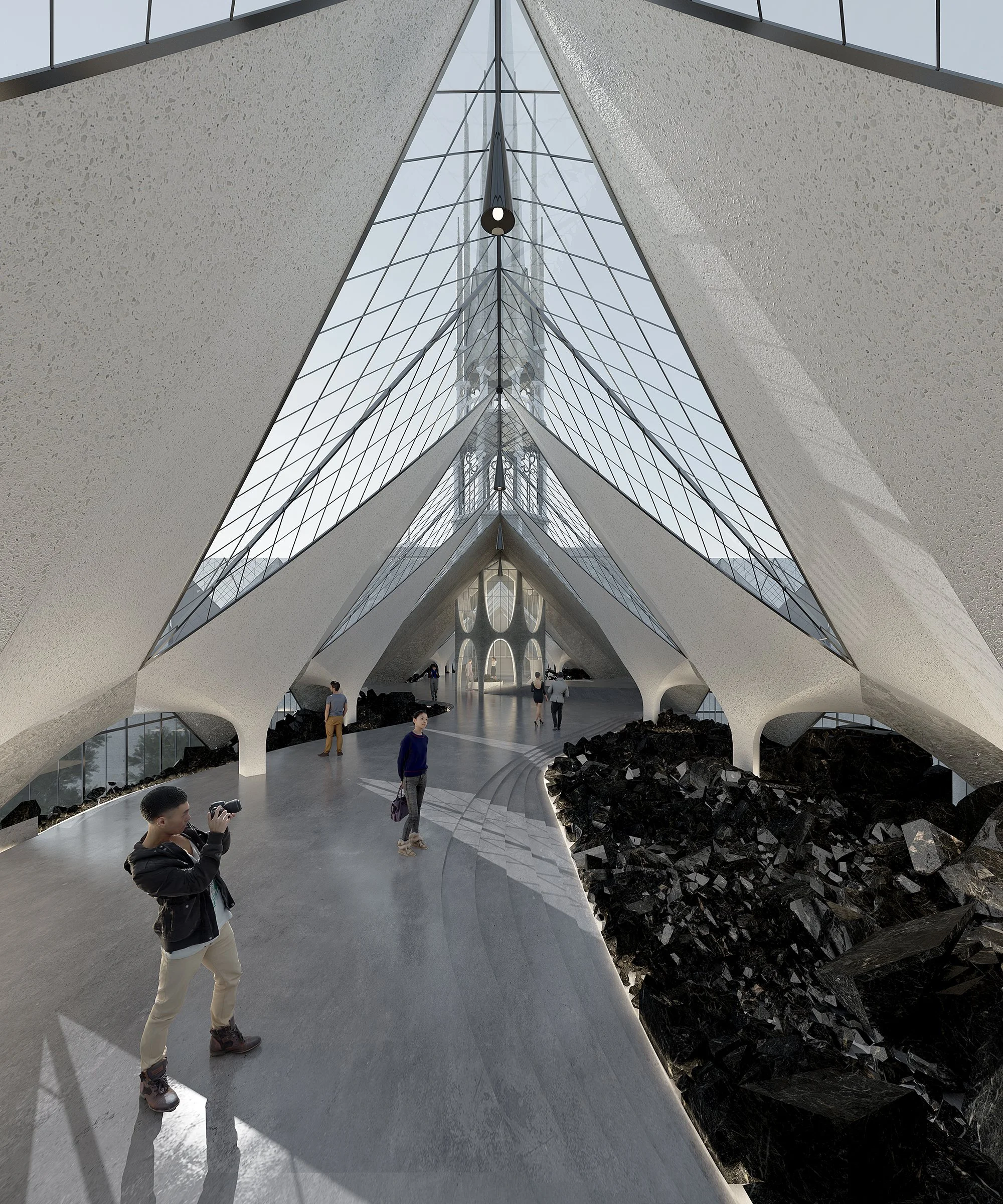
Notre Dame Cathedral Rebuild, MAUD
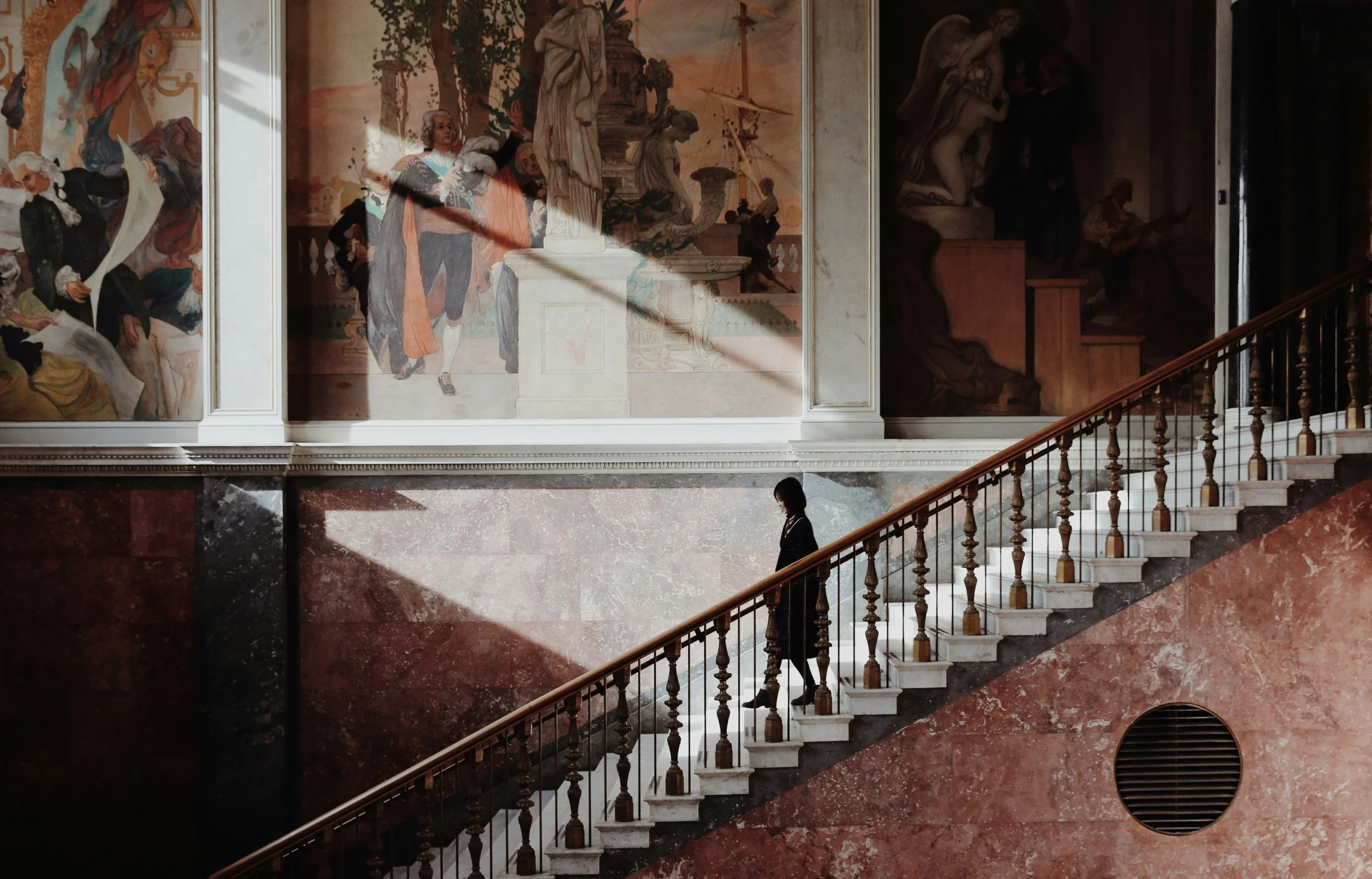
When we restore old buildings the default is total renewal: remove old finishes, replace materials, repaint. But some architects intentionally retain the stains on a wall, the missing corner of a brick, even wartime damage. This is not an act of thrift but a conscious decision.
Why preserve? What meaning do these traces convey?
老建築改造時,最直接的做法是全部翻新:剷除舊牆、更換材料、重新粉刷。
但有些建築師選擇保留牆上的斑駁、磚牆的缺角,甚至戰爭留下的彈孔。這不是資源所限,而是主動的選擇。
為什麼選擇保留?
這些痕跡有什麼價值?
New does not have to pretend to be old
新的不必假裝是舊的
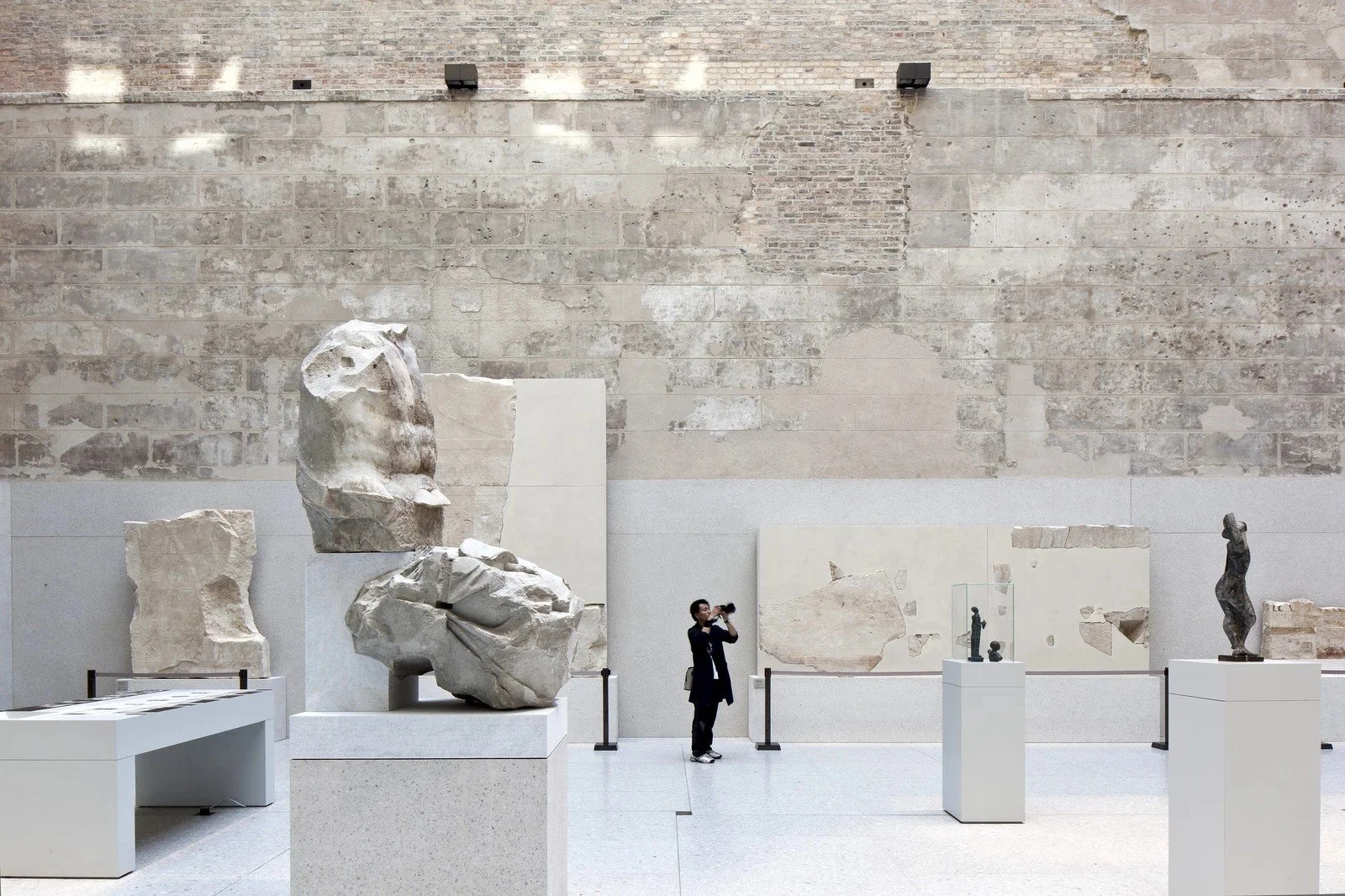
Neues Museum Berlin, David Chipperfield Architects
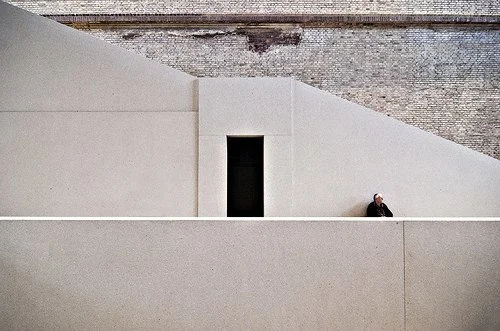
Neues Museum Berlin, David Chipperfield Architects
Preserving traces is not about falsely aging the new work, but about honest expression: the building spans two eras. The old brick remains weathered, the new concrete remains smooth. They coexist without trying to be the same, and visitors can immediately tell what belongs to the past and what was added later.
This approach allows the new to respect the old and the old to accommodate new functions. It is a relationship of equality and a reinterpretation of authenticity.
保留痕跡不是仿舊,而是誠實呈現:這棟建築跨越兩個時代。
舊磚牆保持斑駁,新混凝土保持光滑,兩者並存但不試圖融為一體。參觀者一眼就能分辨:哪些屬於過去,哪些是後來加入的。這種方式讓新的尊重舊的存在,舊的容納新的功能,是一種平等的關係,也是對真實性的重新詮釋。
People Make Architecture Alive
使用的痕跡,讓時間被看見
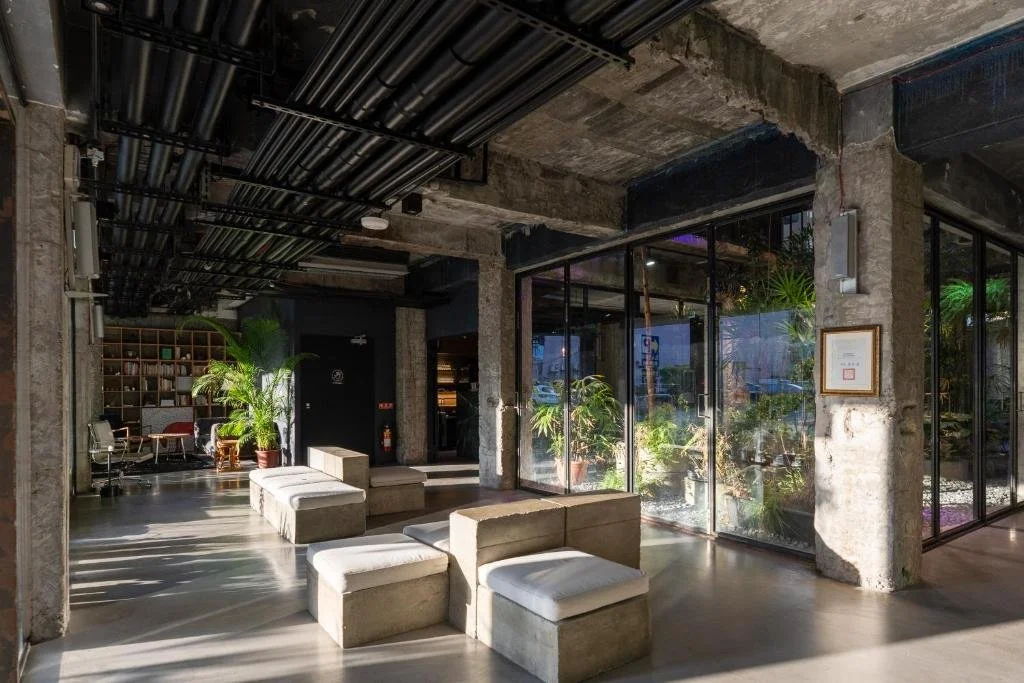
SOF Hotel, Fearon Hay
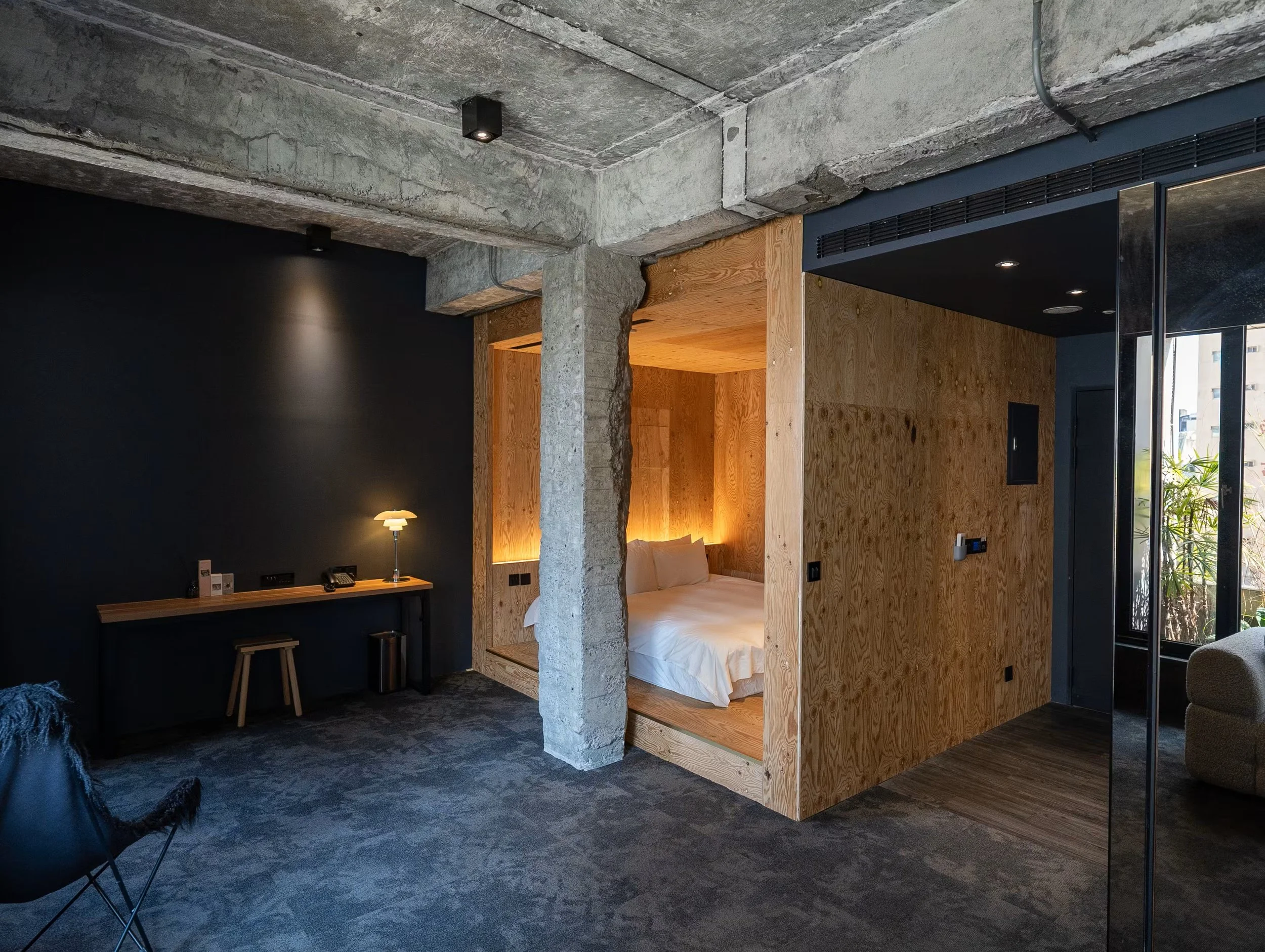
SOF Hotel, Fearon Hay
In some restorations designers choose to keep signs of use.
Walls are left with their time-worn stains rather than repainted; nail holes and cracks in timber frames are not filled or concealed. When new fittings and old marks coexist, those traces remind users that the space has a past and a story.
老房子改造時,有些設計選擇保留使用的痕跡。
牆面因時間而斑駁,不重新粉刷;木構架上的釘孔、裂縫,不填補遮掩。當新的設施與舊的痕跡並存,這些痕跡提醒使用者:這個空間有過去、有故事。
Residential architectures deserve respect too
日常建築,也值得被尊重
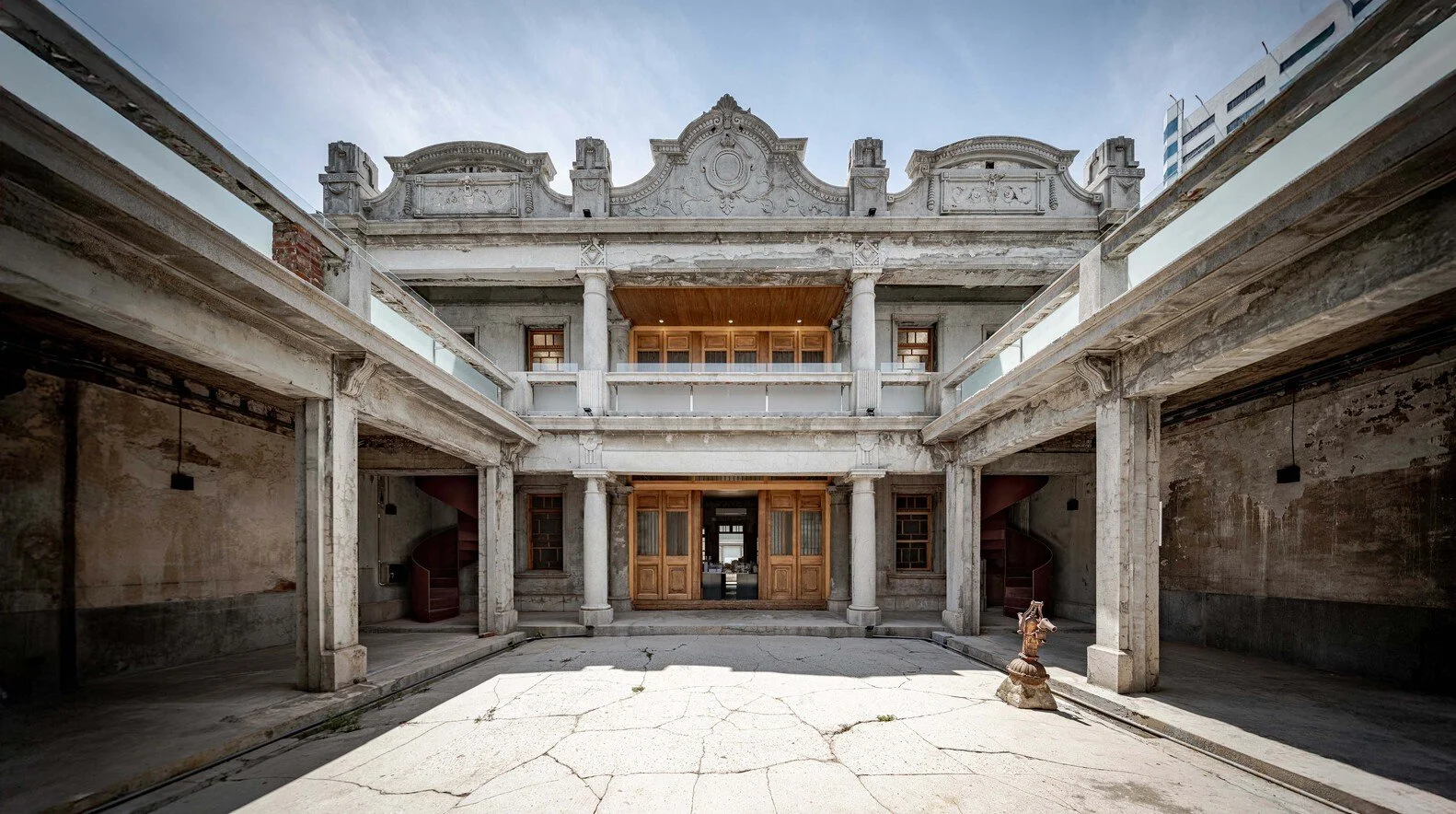
Architecture Museum, Xinyi Street of Coral Stone + A.S. Studio
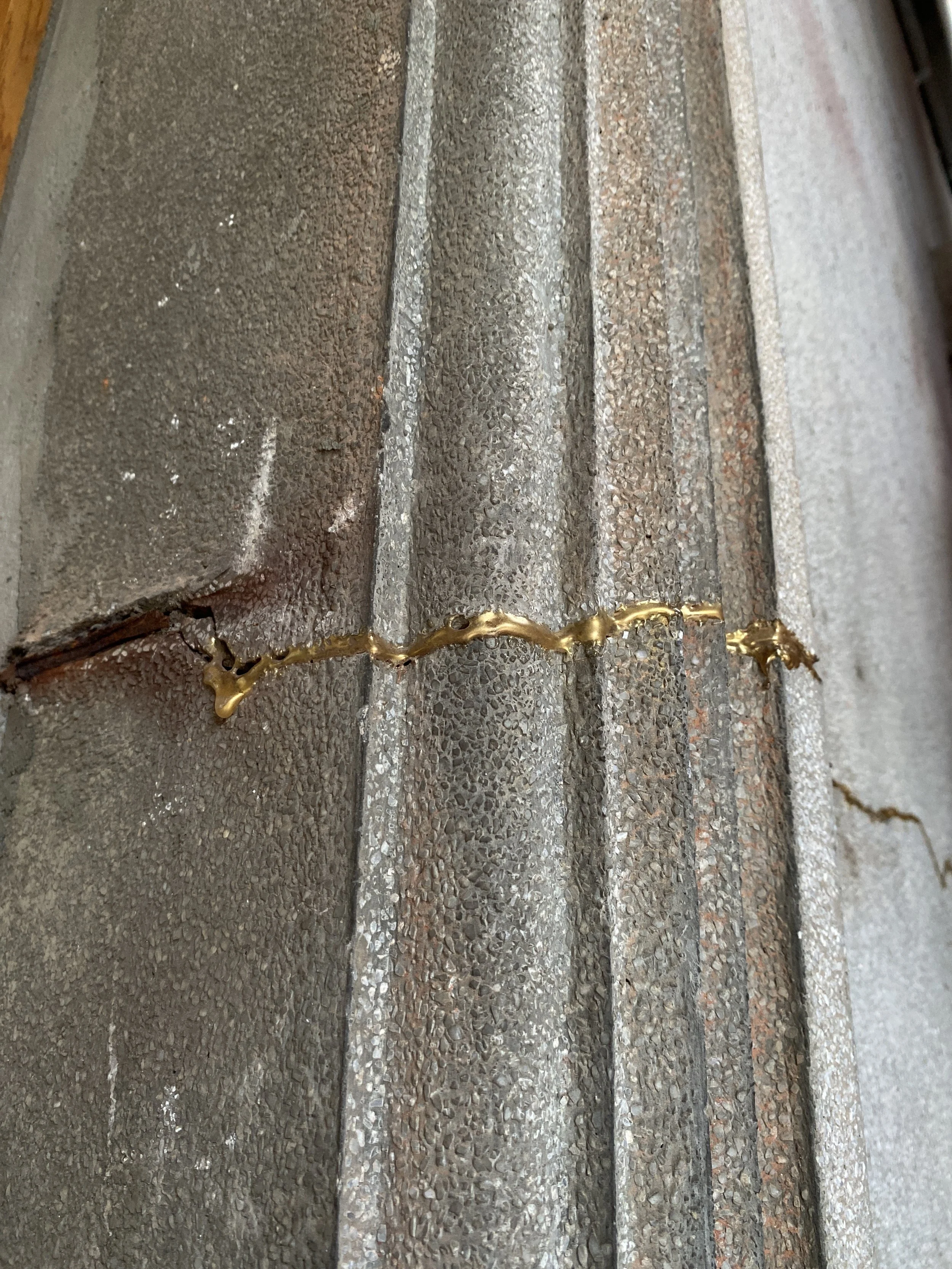
Architecture Museum, Xinyi Street of Coral Stone + A.S. Studio
It is not only museums or monuments that merit careful treatment. Many modest old houses are now repaired with a “less is more” approach. Designers work from the building’s own logic, respecting each crack and every material texture. These buildings may not be classified heritage, yet they record the truest forms of urban life and let contemporary users feel the layers and depth of time.
不只是博物館或古蹟,許多老屋改造也開始選擇「少即是多」的修復方式。設計者從建築本體出發,尊重每一道裂紋、每一種材質的紋理。這些建築,也許不是歷史遺產,但它們卻記錄著城市中最真實的生活樣貌,讓當代人能感受到時間的層次與深度。
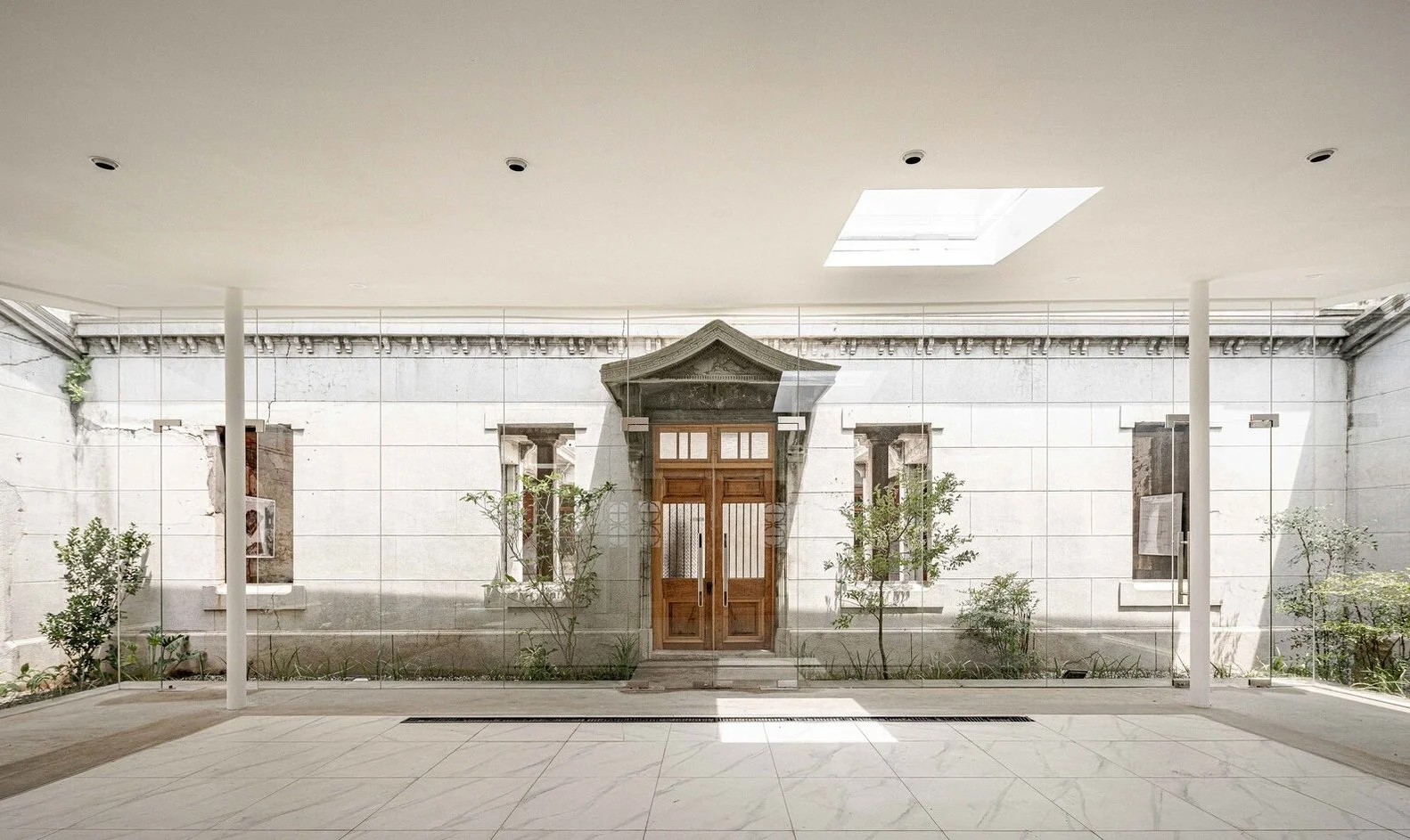
Architecture Museum, Xinyi Street of Coral Stone + A.S. Studio
In the past, “new” was equated with progress and “old” with backwardness; renovation aimed to make everything look brand new. Today perspectives are shifting. Increasingly people see traces not as defects but as assets. They record use, time and history. When new and old coexist, a building acquires the weight of time: it serves the present, carries the past, and leaves an aftertaste for the future. Renovation thus becomes more than rebirth; it is a reconciliation with time.
保留,是一種對時間與文化的尊重。
過去,「新」被視為進步,「舊」被視為落後。改造就是要讓一切看起來全新。但價值觀在改變,越來越多人認為痕跡不是缺陷,而是資產。它們記錄著時間、使用與歷史。當新與舊共存,建築就有了時間的厚度。它不只服務現在,也承載過去,並延續到未來。
這是個人改造時的選擇。但當許多人都做出相似的選擇,當一個城市、一個社區開始重視老建築,這就不只是設計態度,而成為文化價值。
規劃合作聯繫:
Info@maudarchitect.com
More Info : www.maudarchitect.com
Follow IG: @maudarchitect