
《When Buildings Lose Their Function, What Can They Become?》
Exploring the Second Life of Old Structures.
當建築失去功能後,還能做什麼?
探索老建築的第二次生命
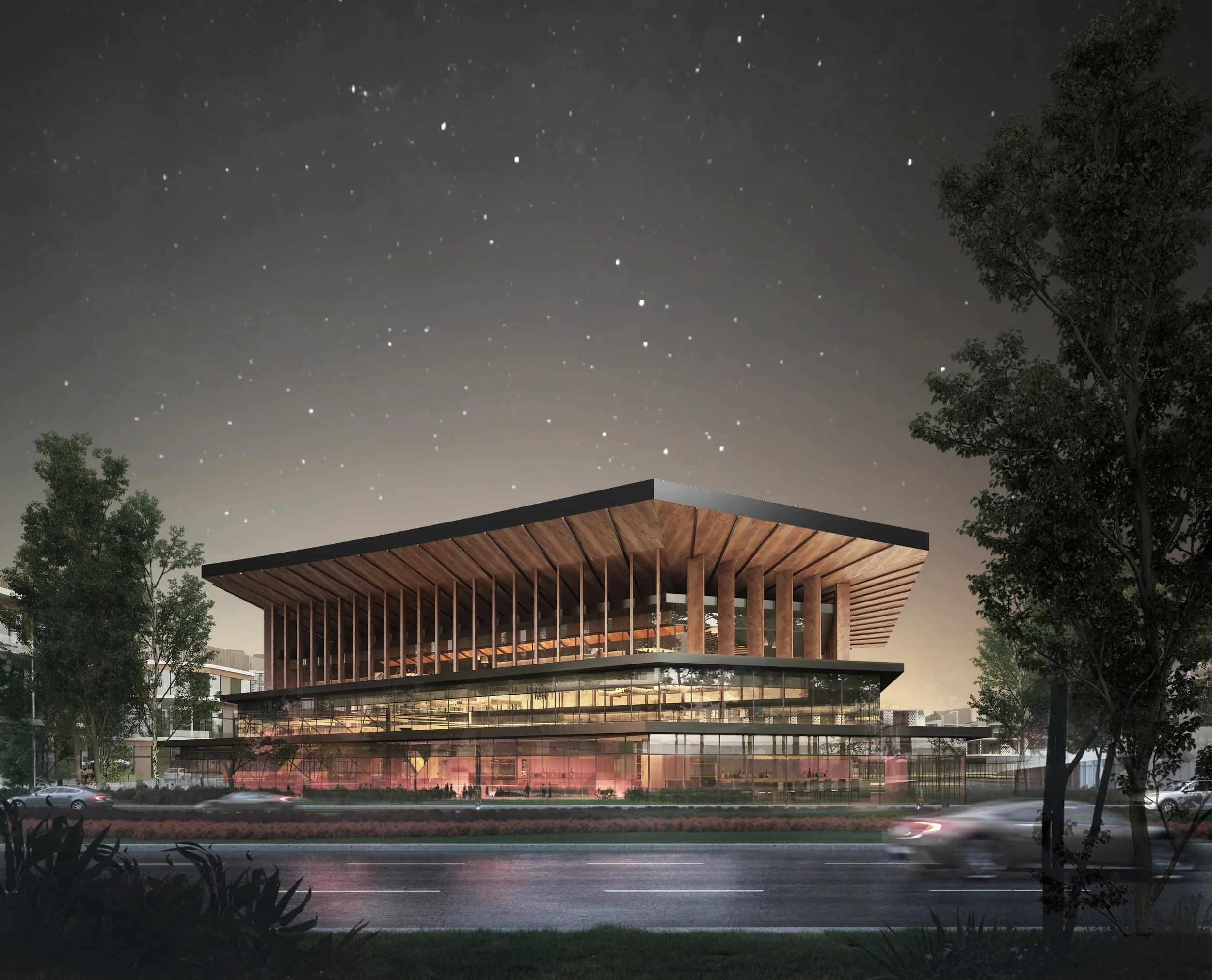
timber-art-cultural-centre, MAUD
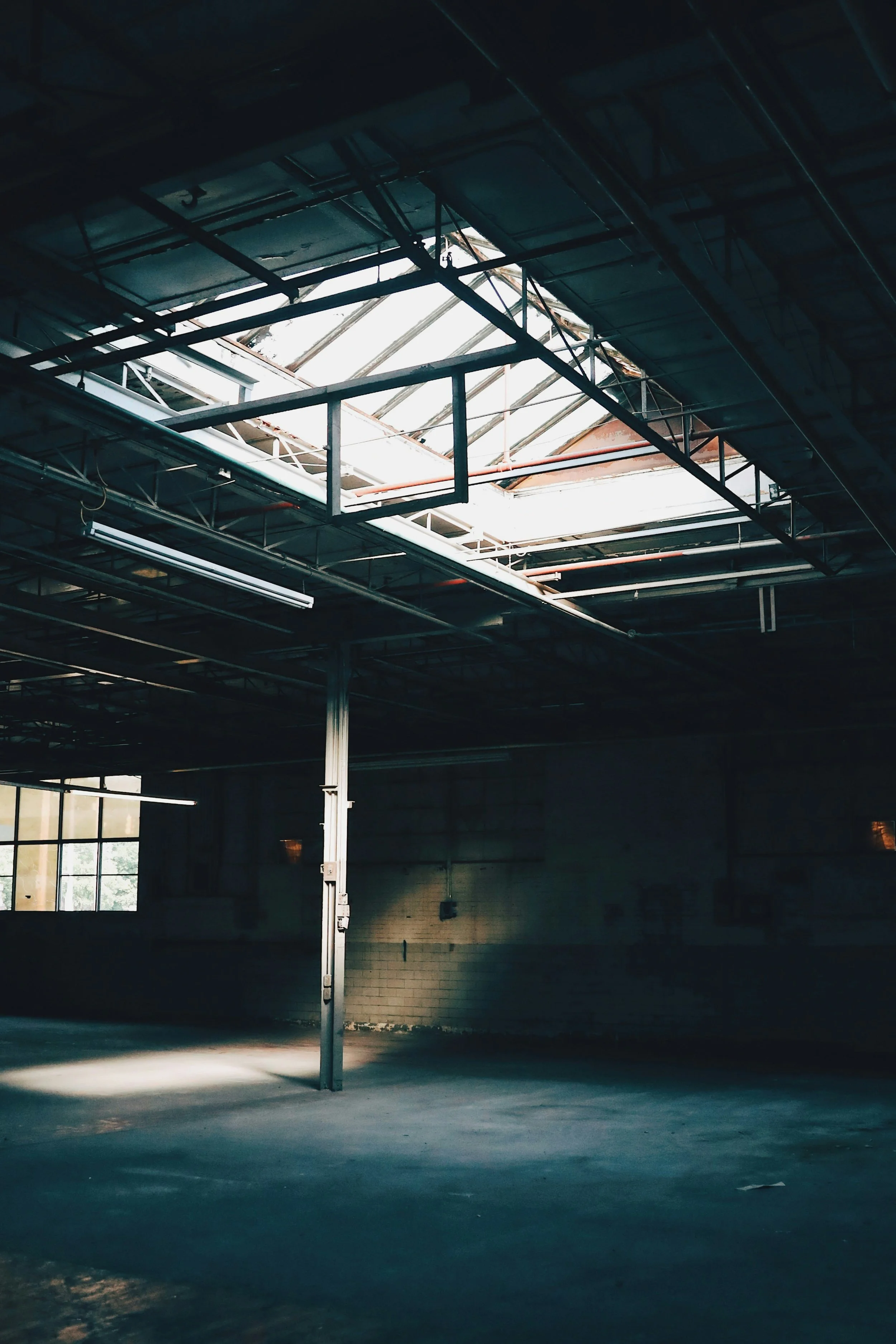
Have you ever passed an empty old building and wondered what it used to be?
Our cities are filled with such structures. They were once bustling, then left vacant for various reasons. People tend to say: tearing down and rebuilding is faster. But is it really?
你有沒有經過某棟空蕩蕩的老房子,好奇它以前是什麼樣子?
我們的城市裡,有很多這樣的建築。它們曾經熱鬧過,後來因為各種理由被閒置下來。人們習慣說:拆掉重建比較快。但真的是這樣嗎?
A factory that ceased production, a church without congregation, a warehouse gathering dust. These spaces stand quietly, as if forgotten by time. But look closely—their walls, their beams, their spaces, are all still there. The problem isn't that the buildings are broken, but that we don't know how to continue using them.
一座停產的工廠、一間沒有信徒的教堂、一個塵封的倉庫。這些空間靜靜站在那裡,像是被時代遺忘。但如果仔細看,它們的牆、它們的樑柱、它們的空間,都還在。
問題不是建築壞了,而是我們不知道怎麼繼續使用它。
Give It a New Reason to Be Needed
給它新的理由被需要
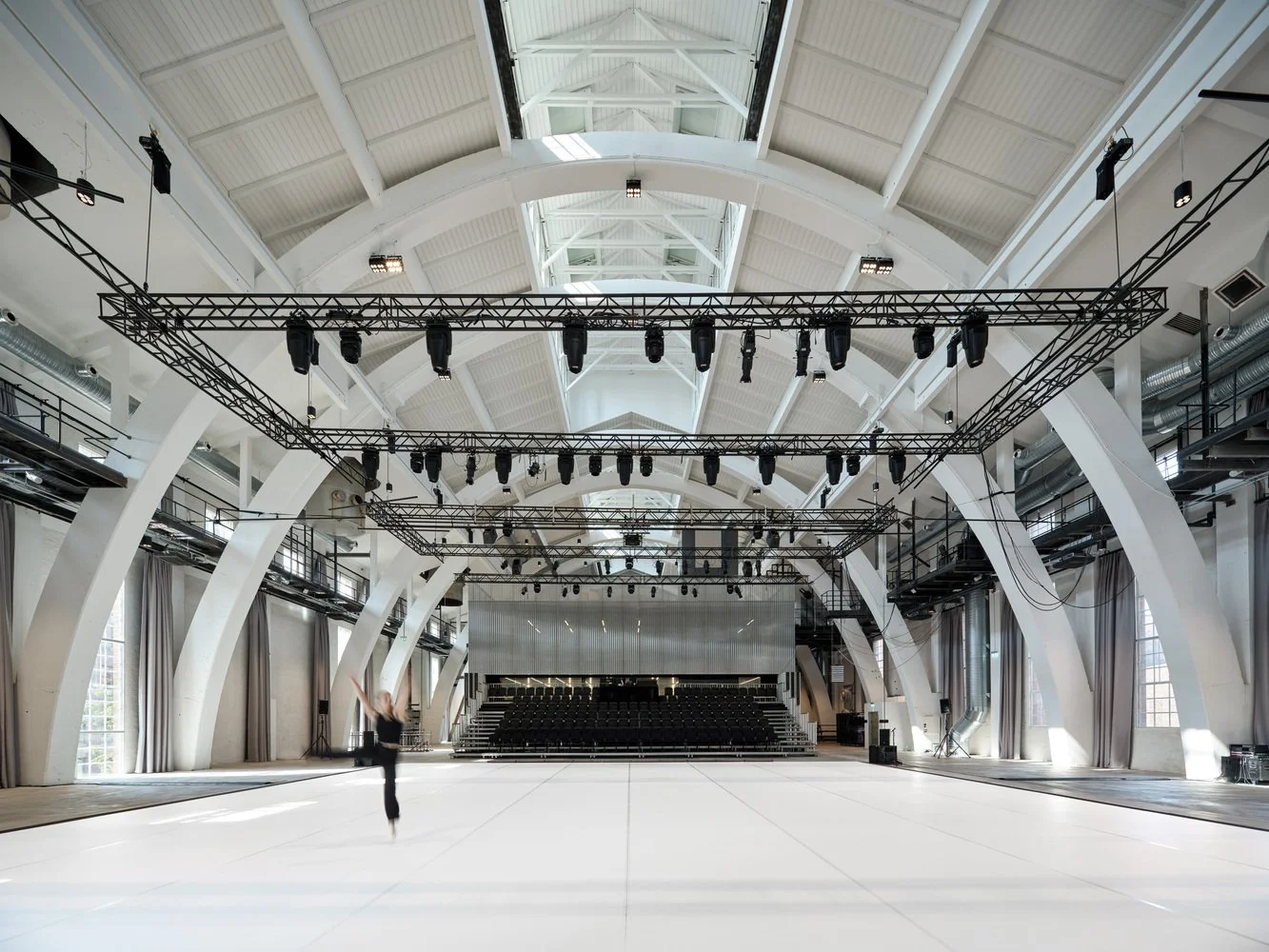
Dansehallerne National Center for Dance and Choreography, Mikkelsen Architects
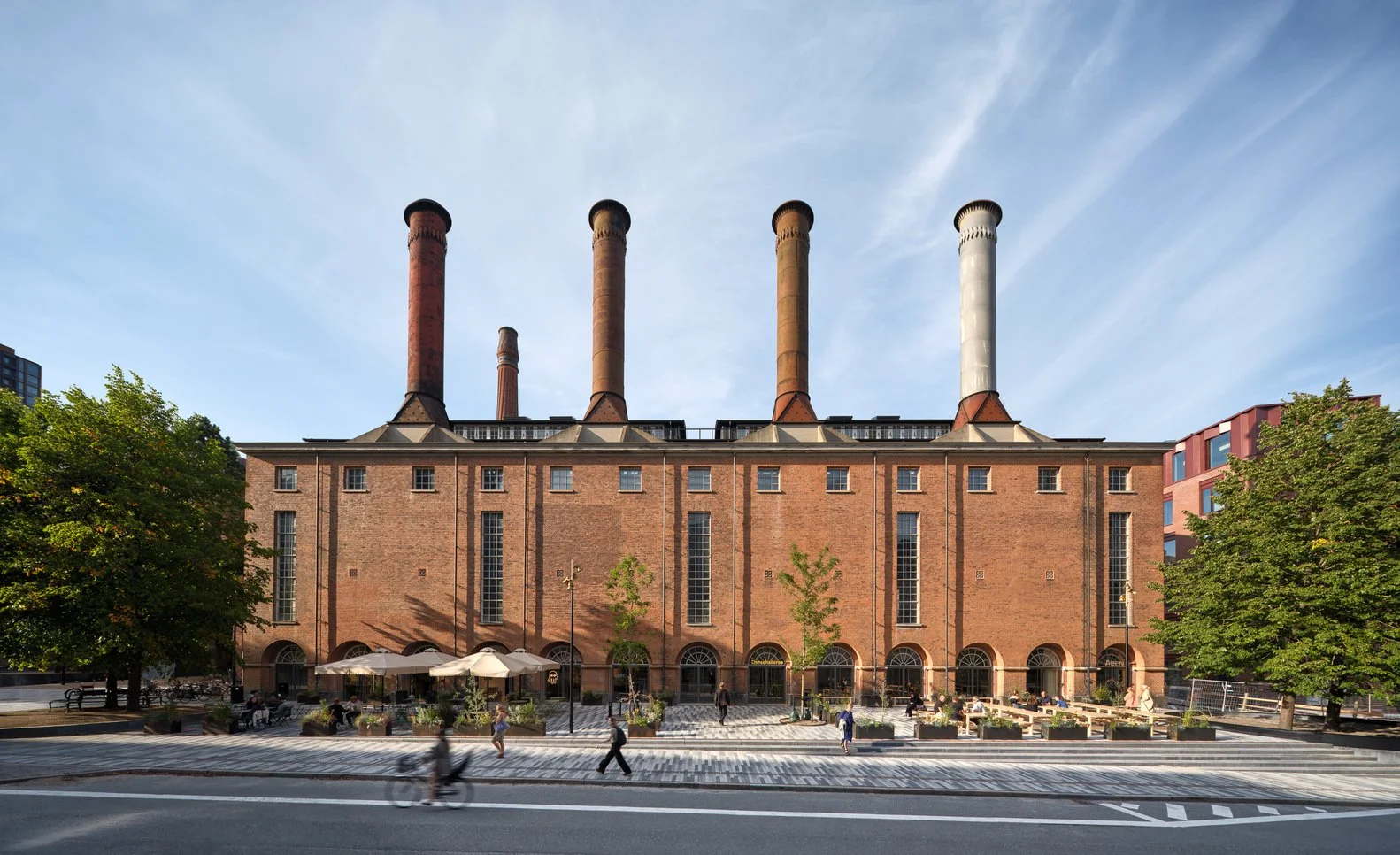
Dansehallerne National Center for Dance and Choreography, Mikkelsen Architects
Many spaces already have good qualities—they just need reimagining. A factory's high ceilings can become rehearsal halls, a warehouse's open span can transform into markets or studios.
When new life enters, the space comes alive again. Not as a monument to observe, but as something truly used and needed.
很多空間本來就有好的條件,只是需要重新想像。工廠的挑高可以變成排練場,倉庫的大跨距能成為市場或工作室。
當新的生活進入,空間又活了起來。不是被當成古蹟看,而是真的被人用、被人需要。
The New Doesn't Need to Pretend to Be Old
新的不必假裝是舊的
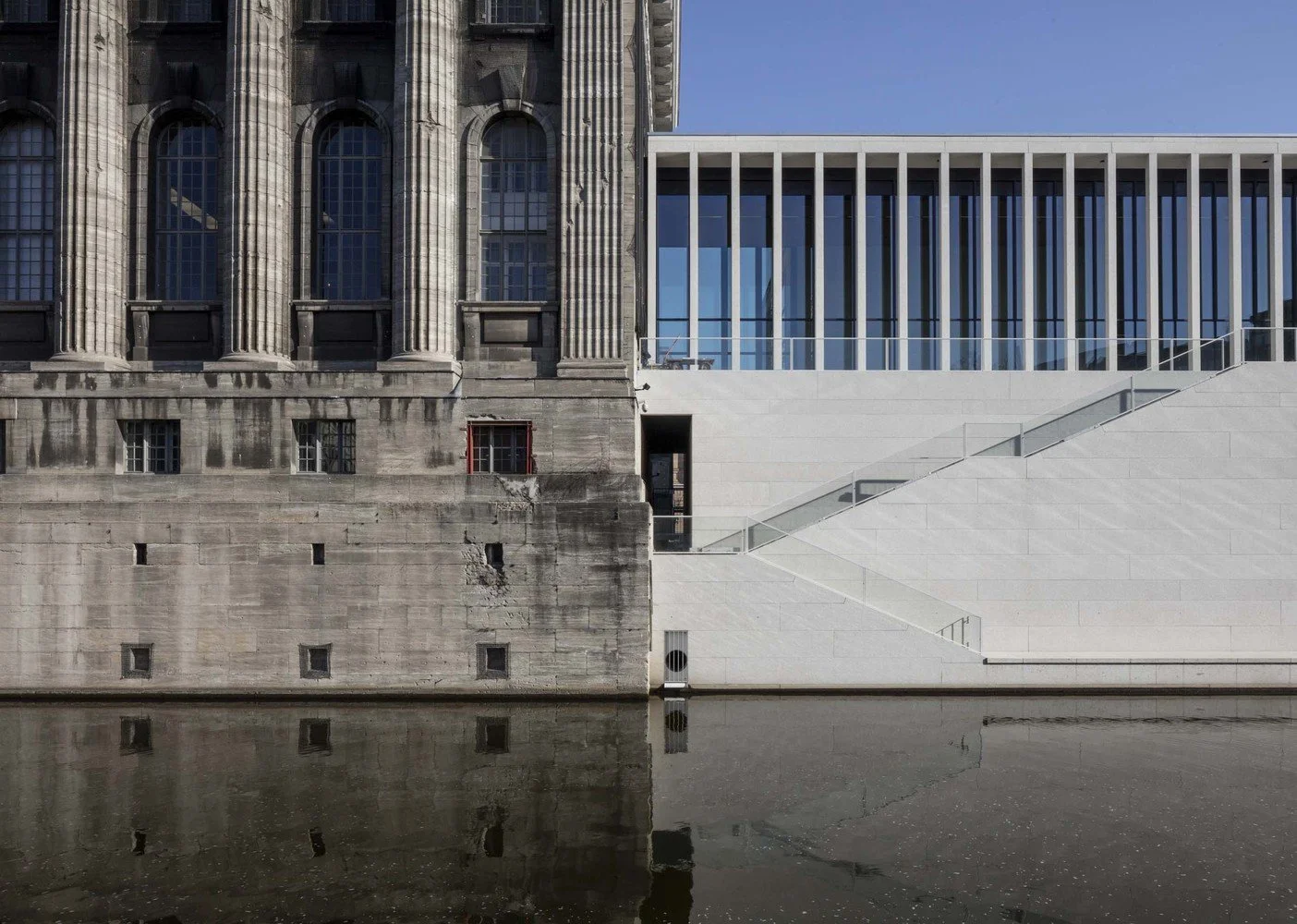
James-Simon-Galerie, David Chipperfield Architects
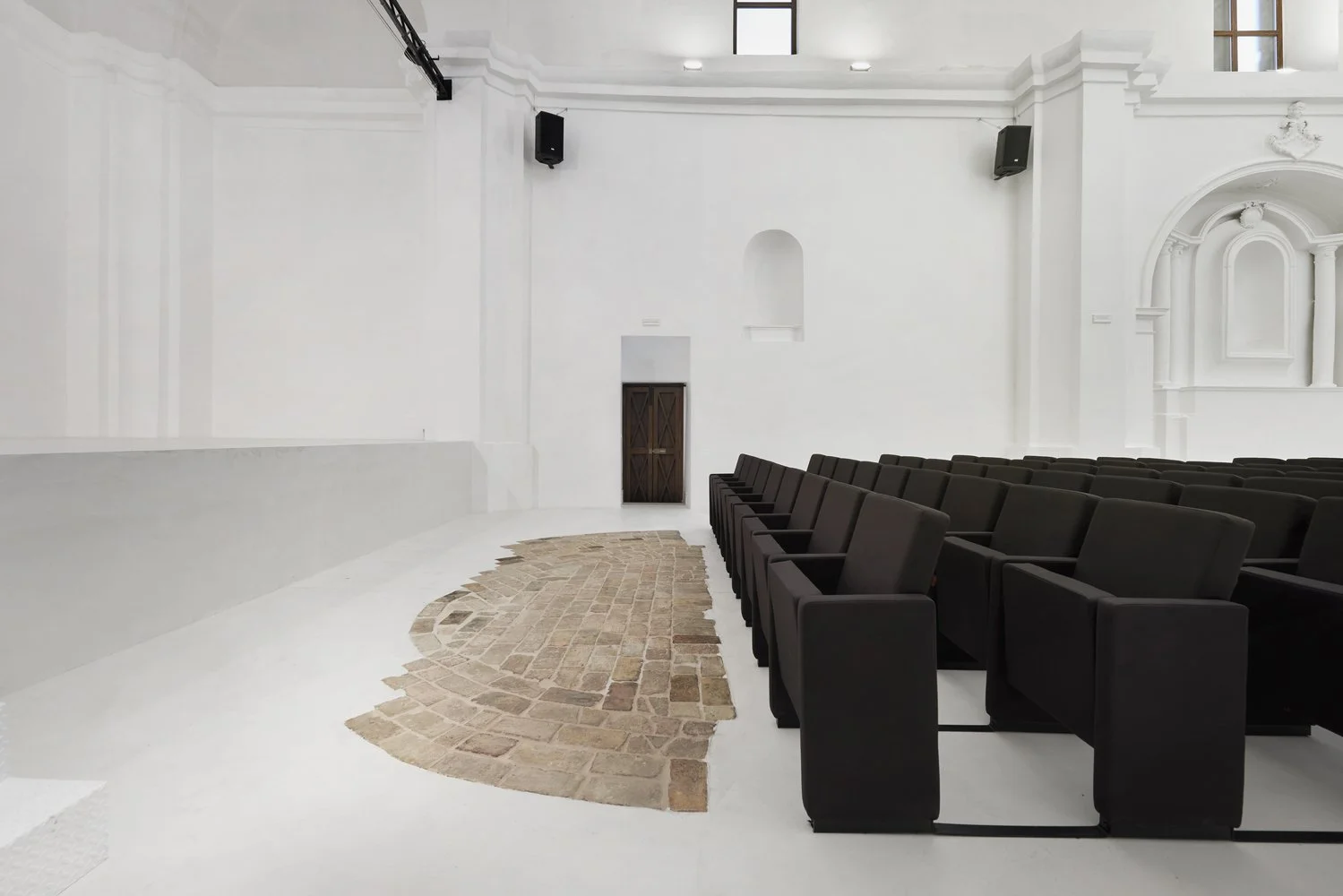
Saint Rocco’s Church into a Theater, Luigi Valente + Mauro Di Bona
Some interventions choose to blend quietly, others to state clearly. New stairs, windows, partitions—they don't imitate the old era, they simply remain contemporary.
When two eras are each honest, the building gains depth. You can tell what's past and what's present, and they coexist.
有些改造選擇安靜融入,有些選擇清楚表態。新加的樓梯、窗、隔間,不刻意模仿舊時代的樣子,就讓它是現代的。
兩個時代各自誠實,反而讓建築有了層次。你看得出哪裡是過去、哪裡是現在,它們同時存在。
What Remains Is More Than Just a Building
留下的不只是建築
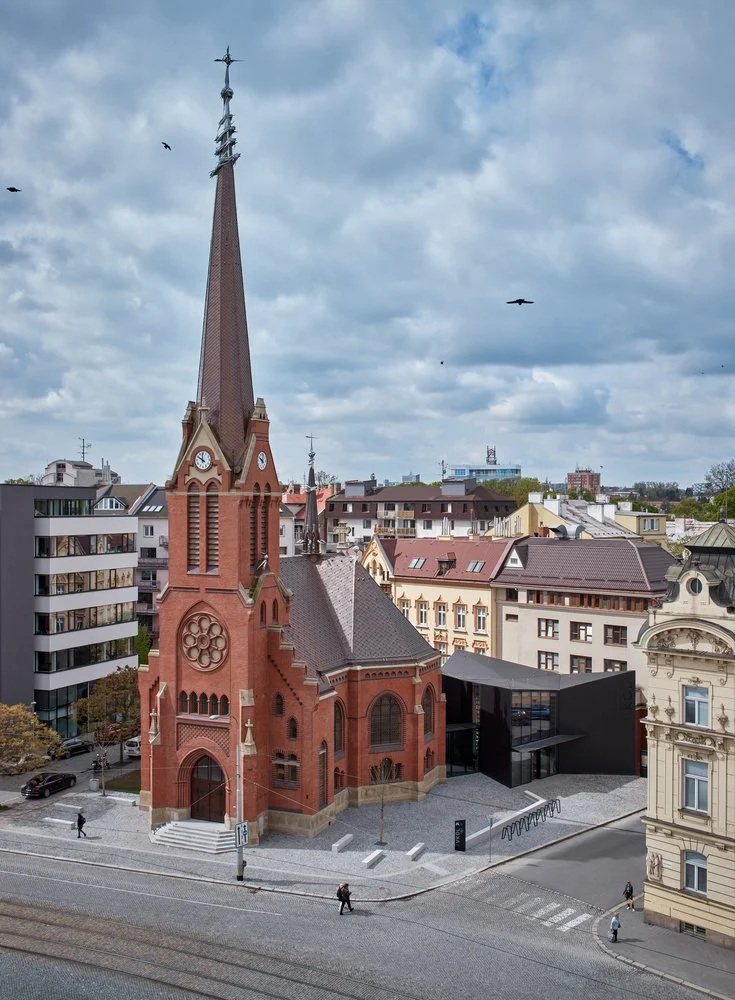
Preserving old buildings reduces demolition and new material consumption. But more importantly, it preserves a place's memory.
People who live nearby remember what it used to be, what happened there. Those memories connect to people's lives, to the feeling of a neighborhood.
保留老建築,當然能減少拆除和新材料的消耗。但更重要的是,它留住了一個地方的記憶。
住在附近的人還記得這裡以前是什麼、發生過什麼事。那些記憶連著人的生活,連著街區的感覺。
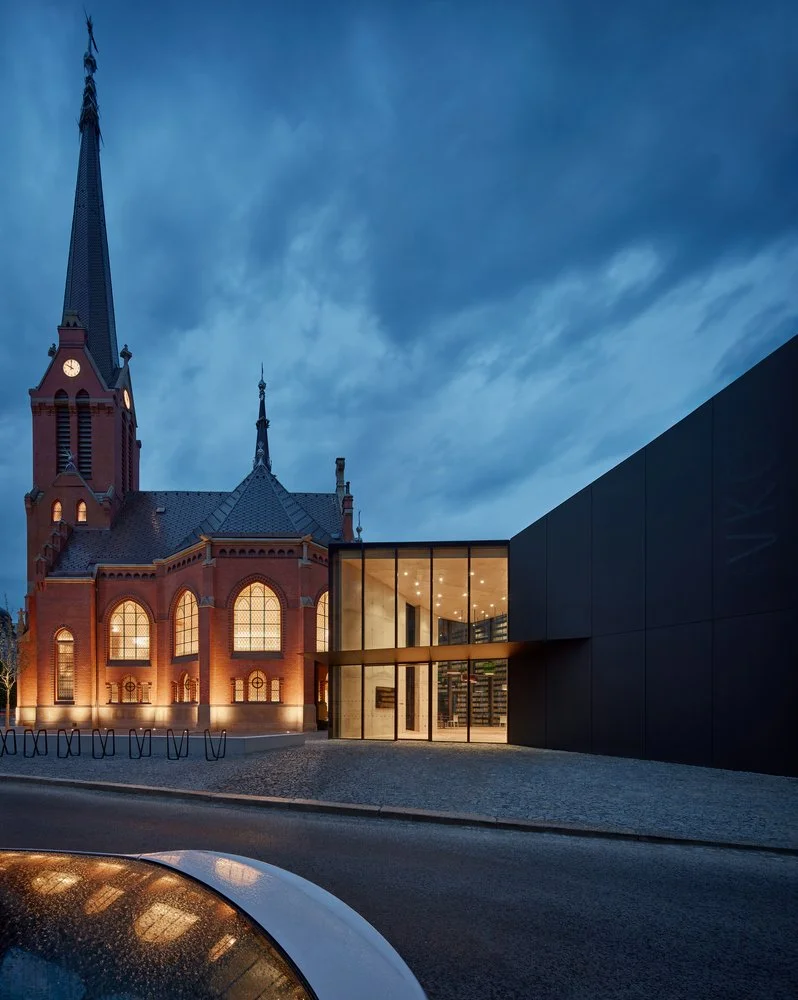
The Red Church Reconstruction, Atelier-r
These old buildings deserve a second life, not because of nostalgia, but because they possess something new buildings cannot give—the texture left by time, irreplicable scale, and spatial memories accumulated over years.
Walking into a reimagined space, you still feel its original character. It's no longer what it was, but the past hasn't disappeared. Adaptive reuse means letting these spaces continue participating in life, rather than encasing them under glass.
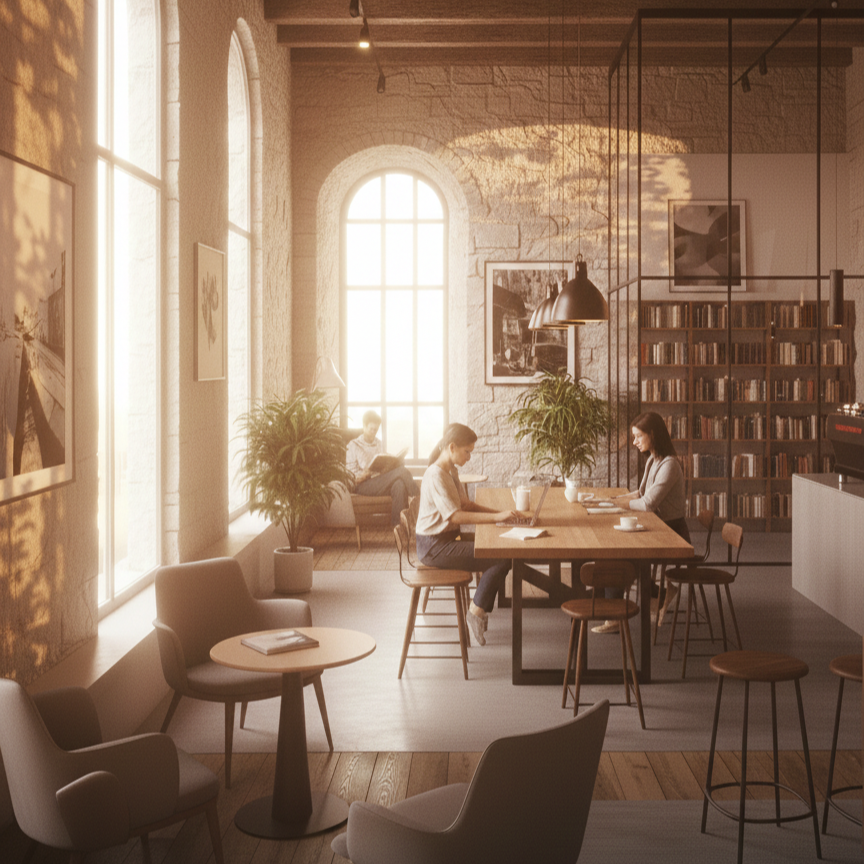
AI生成
這些老建築值得第二次生命,不是因為懷舊,而是因為它們有些東西是新建築給不了的——時間留下的質感、無法複製的尺度、還有長年累積的空間記憶。
走進一個被重新使用的空間,你還是會感覺到它原本的氣質。它不再是過去的樣子,但過去沒有消失。再利用,就是讓這些空間繼續參與生活,而不是被玻璃罩起來。
規劃合作聯繫:
Info@maudarchitect.com
More Info : www.maudarchitect.com
Follow IG: @maudarchitect