
《What can architecture do when the future is uncertain?》
Exploring strategic choices for architecture in uncertain times
當未來還不確定,建築能先做什麼?
探索在不確定時代下的建築選擇

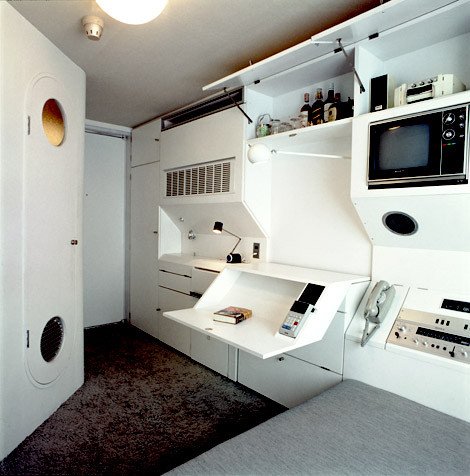
Nakagin Capsule Tower, Kisho Kurokawa
We often imagine the future through visuals. Avant-garde forms and tech-forward cityscapes have long shaped our intuitive idea of “future architecture.” Yet when we look closely at these visions, we find they mostly respond to the most urgent issues of their own time.
我們經常透過視覺來想像未來。前衛的造型、科技感十足的城市意象,長久以來形成了人們對「未來建築」的直覺理解。然而,當我們仔細回看這些未來想像,會發現它們多半回應的,其實是當下最迫切的問題。
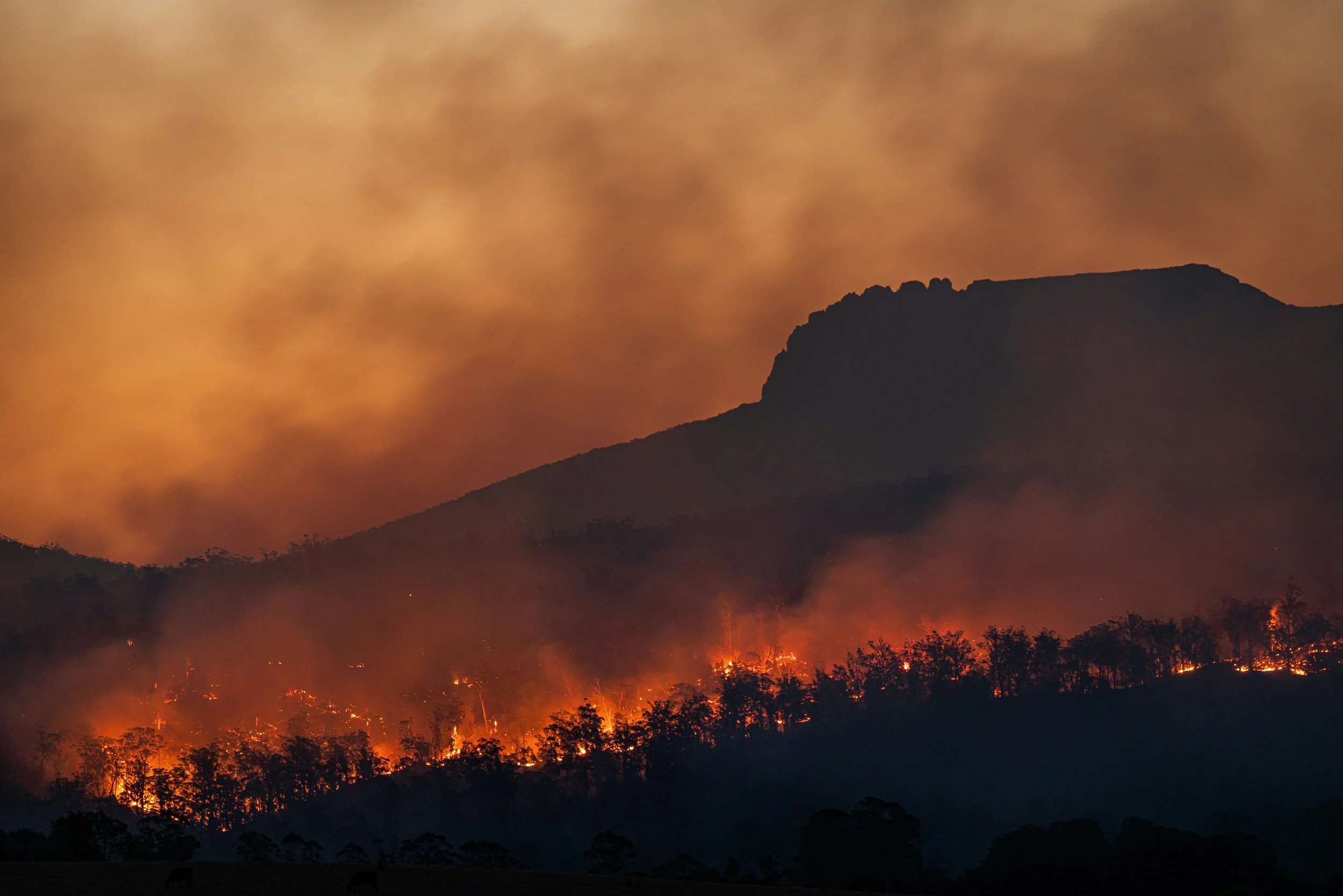
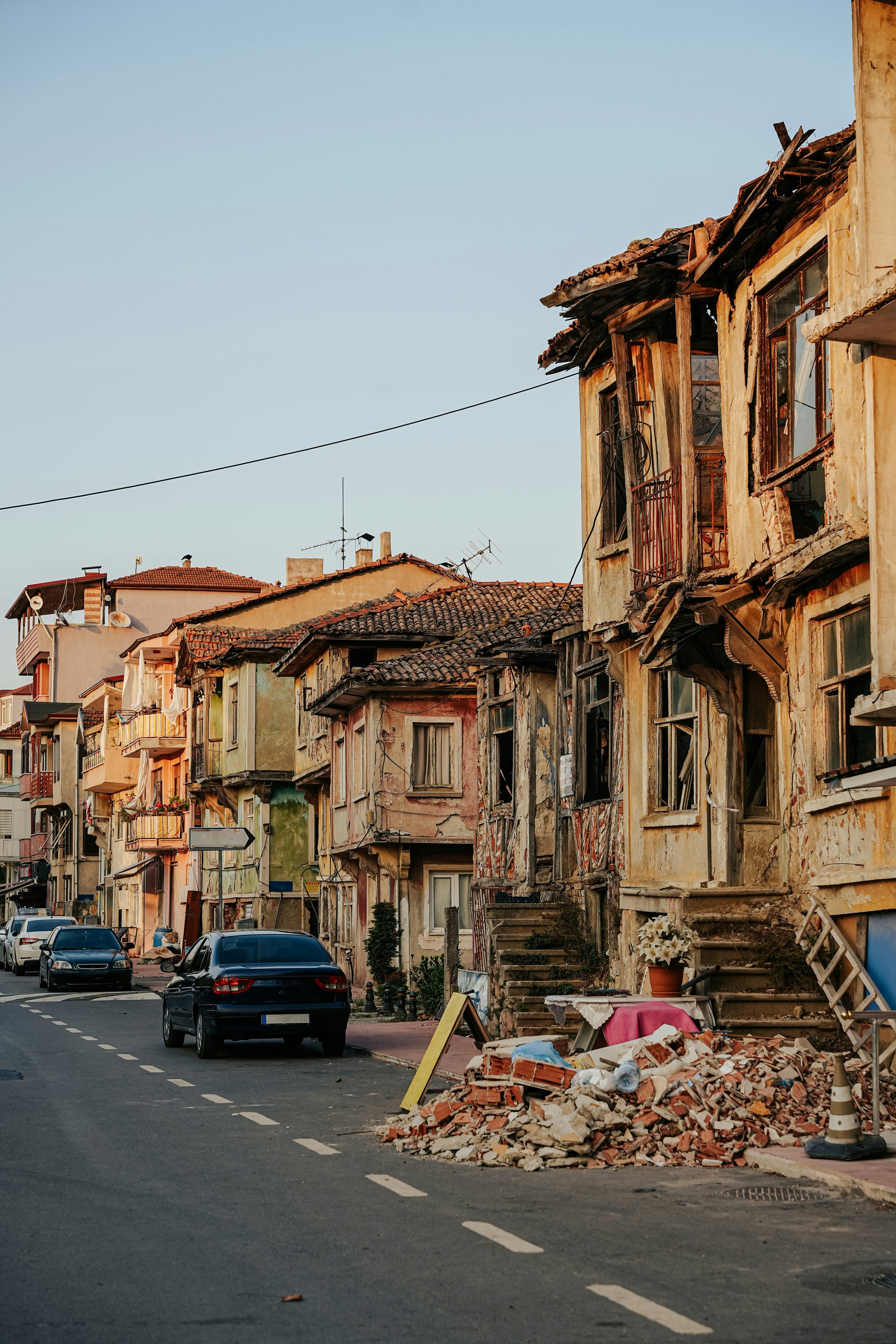
Against the backdrop of climate change, resource depletion and demographic shifts, the future appears uncertain. In such an era architecture is shifting from asking “How can it look futuristic?” to a different question: when the future is unclear, can we still make deliberate choices now? These choices need not point in a single direction, and there are no universal answers.
在氣候變遷、資源枯竭、人口結構轉變的背景下,未來呈現出不確定的狀態。在這樣的時代中,建築開始從「看起來很未來」,轉向另一個提問:當未來還不確定,是否能先做出一些選擇?
這些選擇,未必指向同一條路,也不一定存在標準答案。
Rethinking nature: from exclusion to system integration
重新認識自然:從隔絕到成為系統的一部分
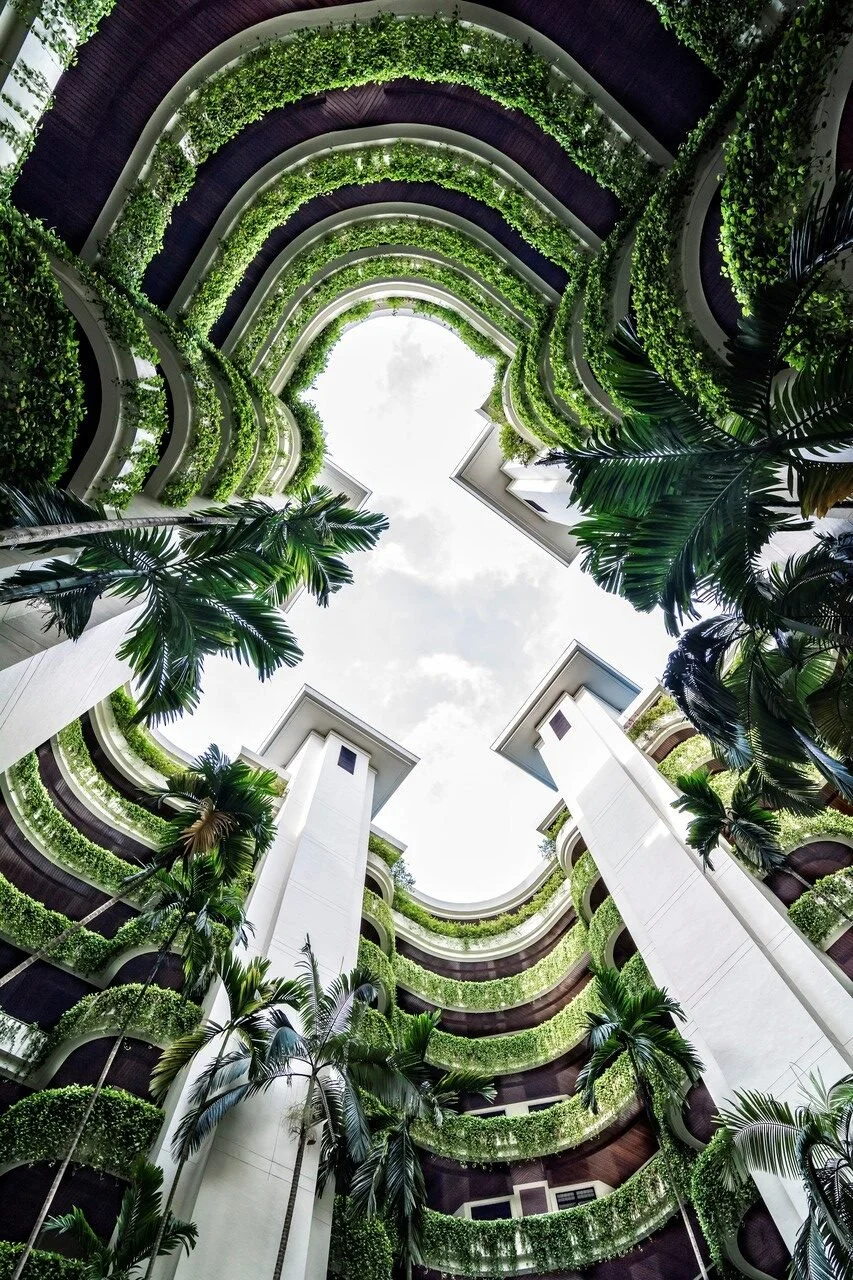
he Arcadia condo complex in Singapore, George J. Wimberly+Walter Collins
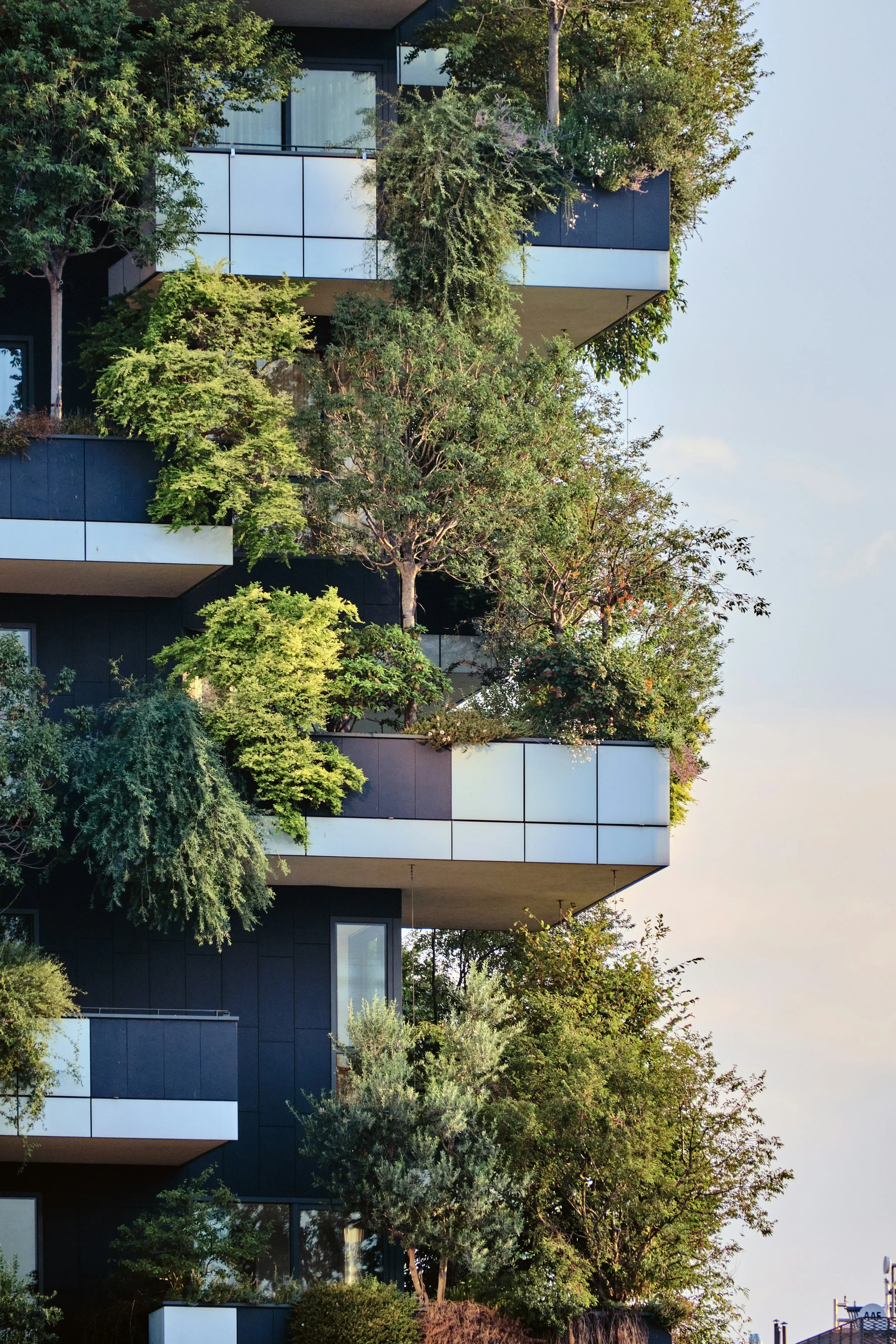
Bosco Verticale, Boeri Studio
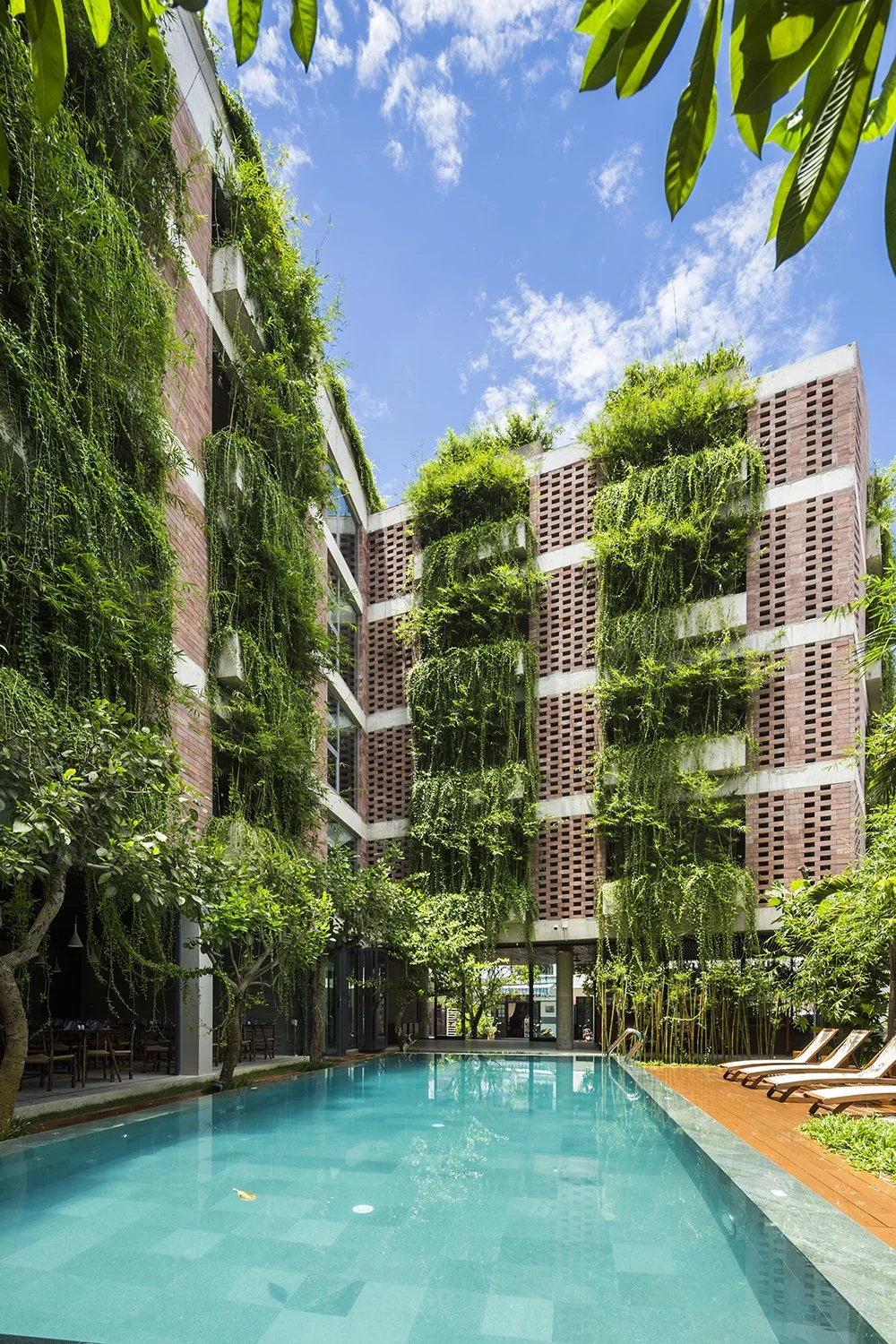
Atlas Hotel Hoian, VTN Architects
Air conditioning freed us from weather, and sealed glass boxes kept rain and wind outside. But with climate change and rising urban density, that model is being reconsidered. Can buildings become part of ecological systems? By integrating vertical greenery and green roofs we can moderate microclimates, reduce urban heat island effects, and provide habitats for other species. The role of architecture is shifting from occupying land to giving back to land.
空調讓我們不受氣溫困擾,密閉的玻璃盒將風雨阻隔在外,使我們不用擔心大自然帶來的威脅,但隨著氣候變遷與都市密度持續升高,這種模式被重新檢視: 建築能否成為生態系統的一環? 透過融入垂直綠牆或綠屋頂,不僅調節微氣候、降低都市熱島效應,也為其他物種提供棲地。建築的角色,逐漸從「佔據土地」轉向「回饋土地」。
Rethinking efficiency: from speed to temporal scale
重新思考效率:從速度導向到時間尺度
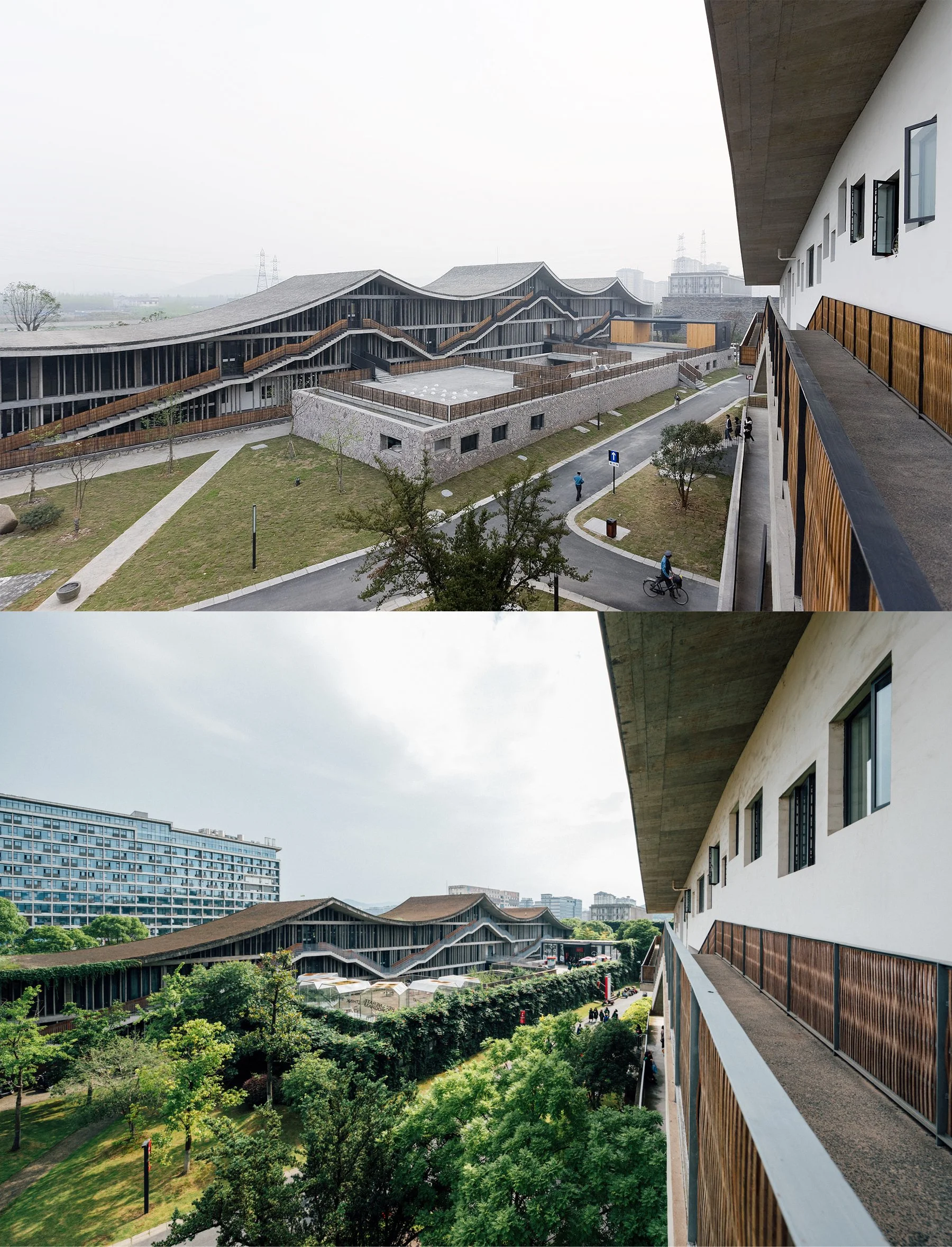
Xiangshan Campus of China Academy of Art, Amateur Architecture Studio
Twentieth century visions of the future equated progress with efficiency. Yet as environmental costs and resource limits surface, the definition of efficiency is changing. It is no longer only “how fast can we build” but “how long can it serve.” A building that lives in harmony with its environment, uses honest materials and can be adapted over time may last a century or more. This is an efficiency measured in time.
20 世紀的「未來」想像,幾乎與效率劃上等號。
但隨著環境成本與資源限制逐漸浮現,效率的定義也開始轉變。不再只是「蓋得多快」,而是「能被使用多久」。一棟與環境共生、材料紮實、可長期調整的建築,或許能使用一百年,甚至更久。成為一種以時間為單位的效率觀。
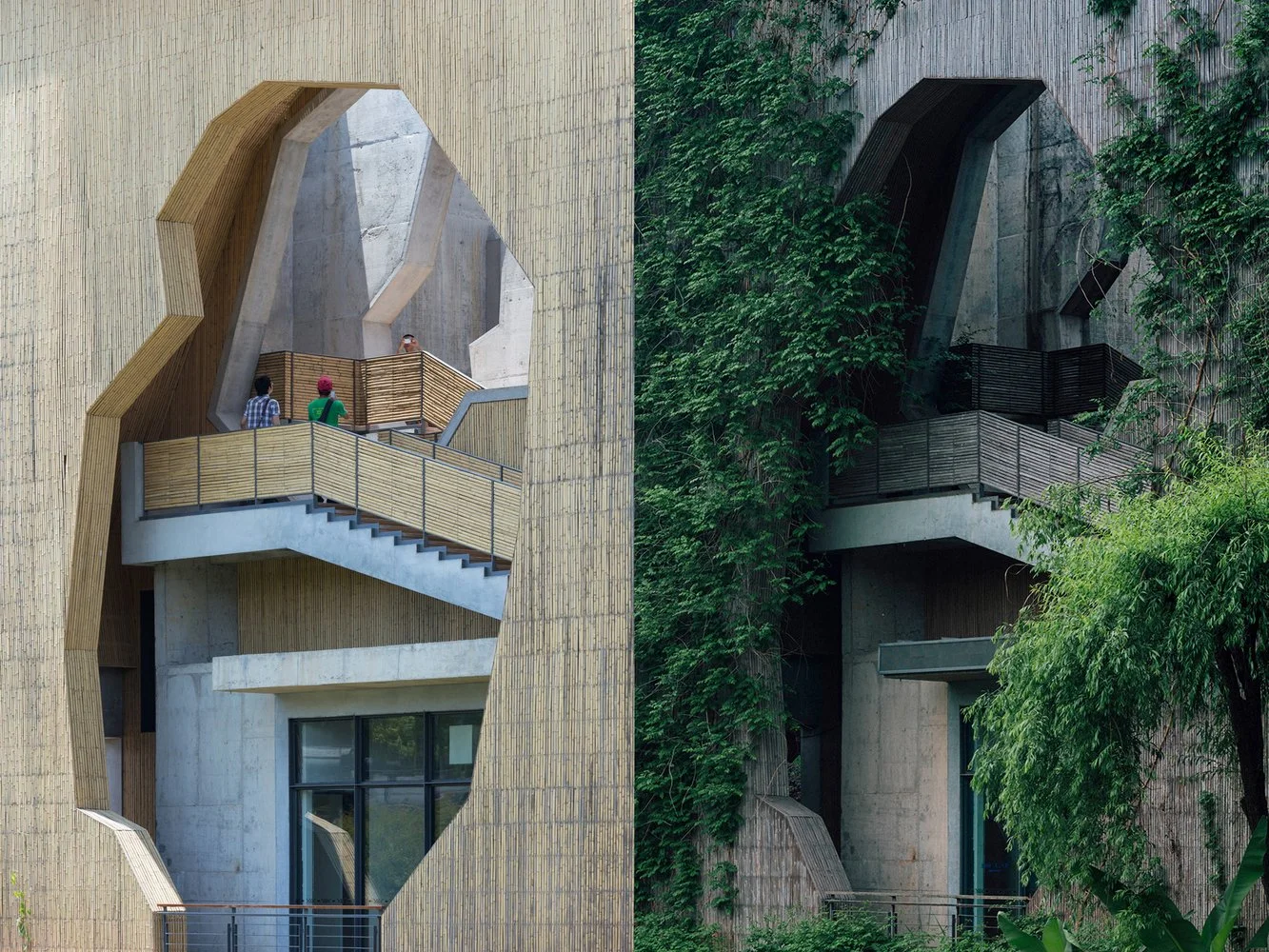
Xiangshan Campus of China Academy of Art, Amateur Architecture Studio
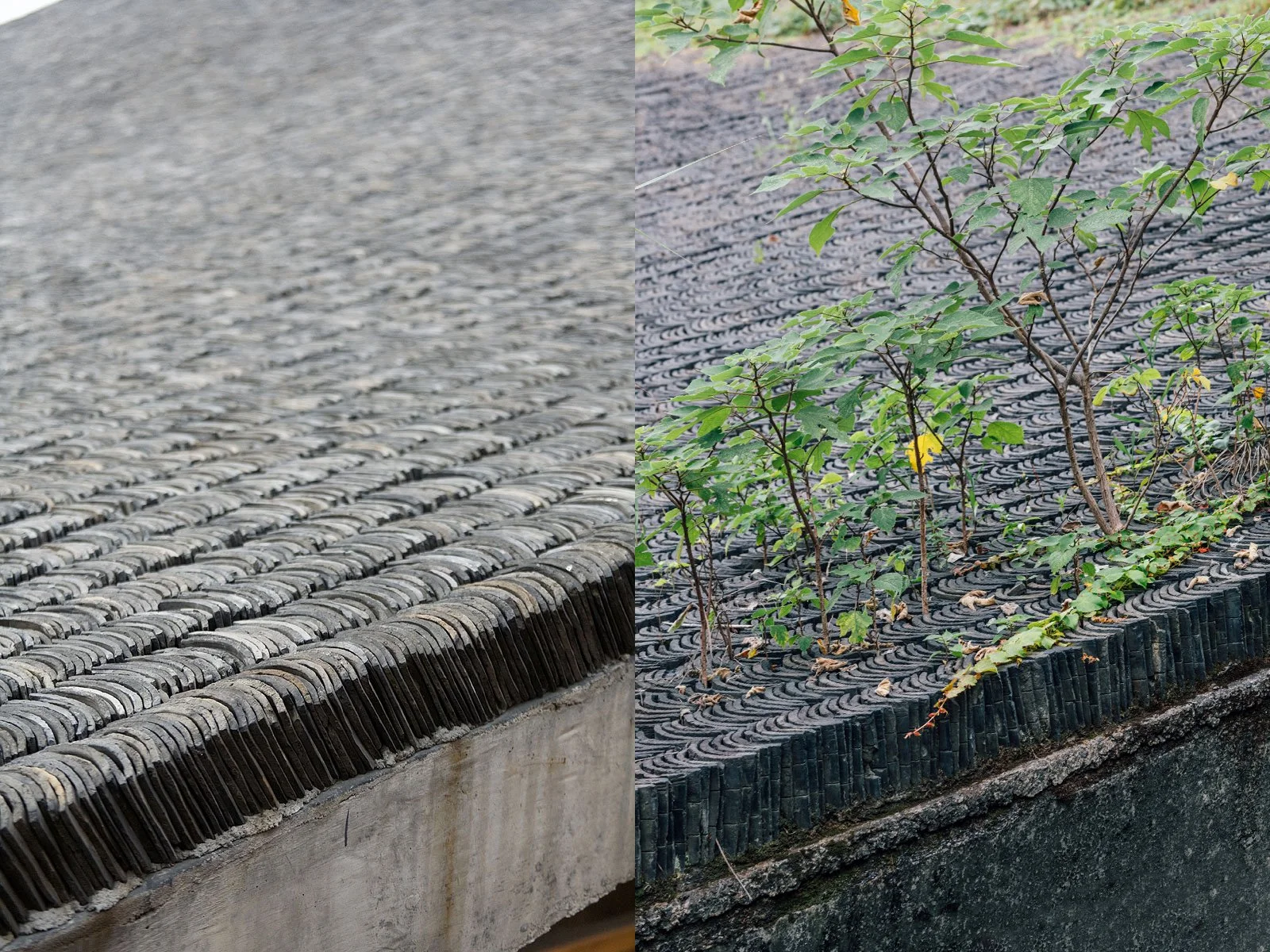
Xiangshan Campus of China Academy of Art, Amateur Architecture Studio
Re-discovering the local: enabling buildings to grow from context
重新發現在地:讓建築從脈絡中生長
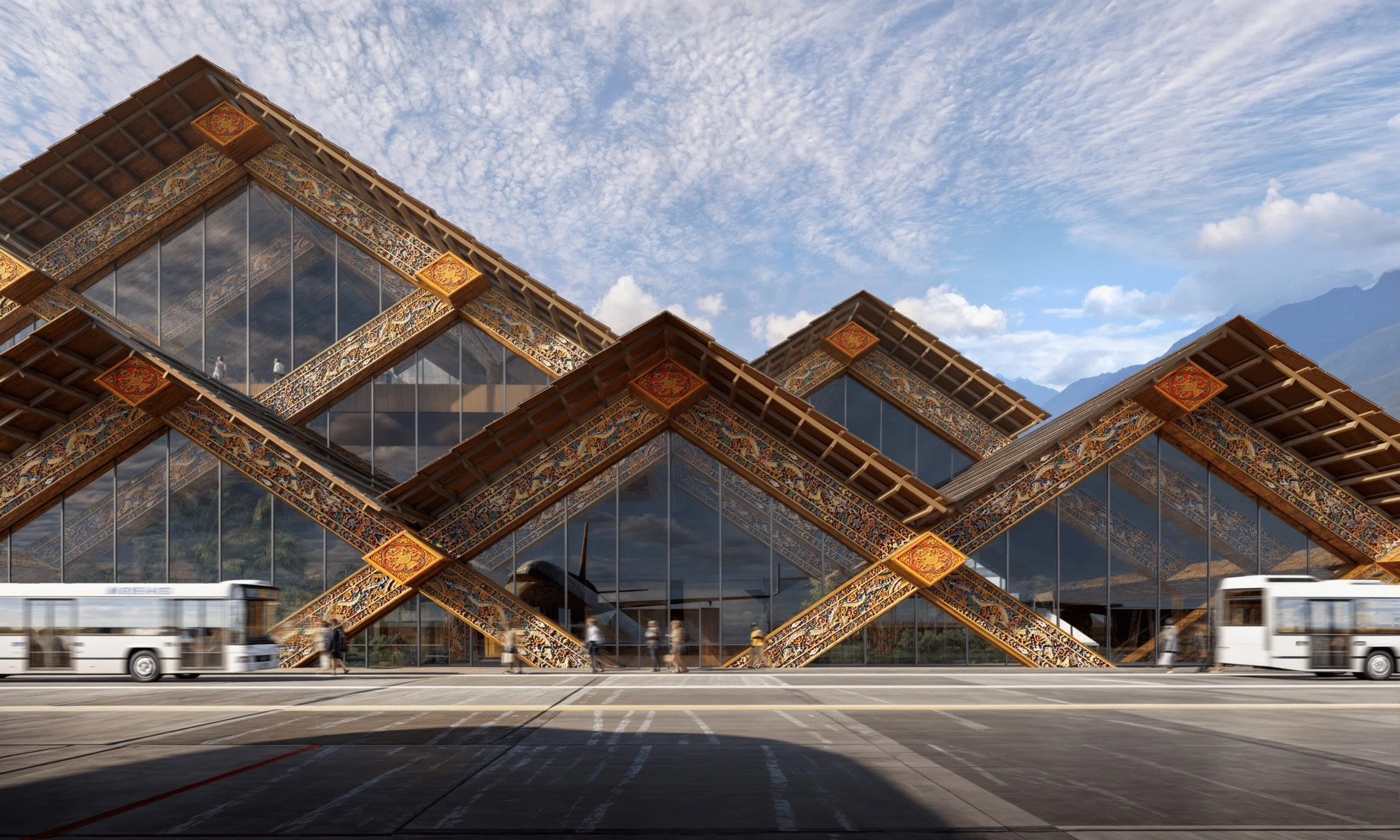
Gelephu International Airport, BIG-Bjarke Ingels Group
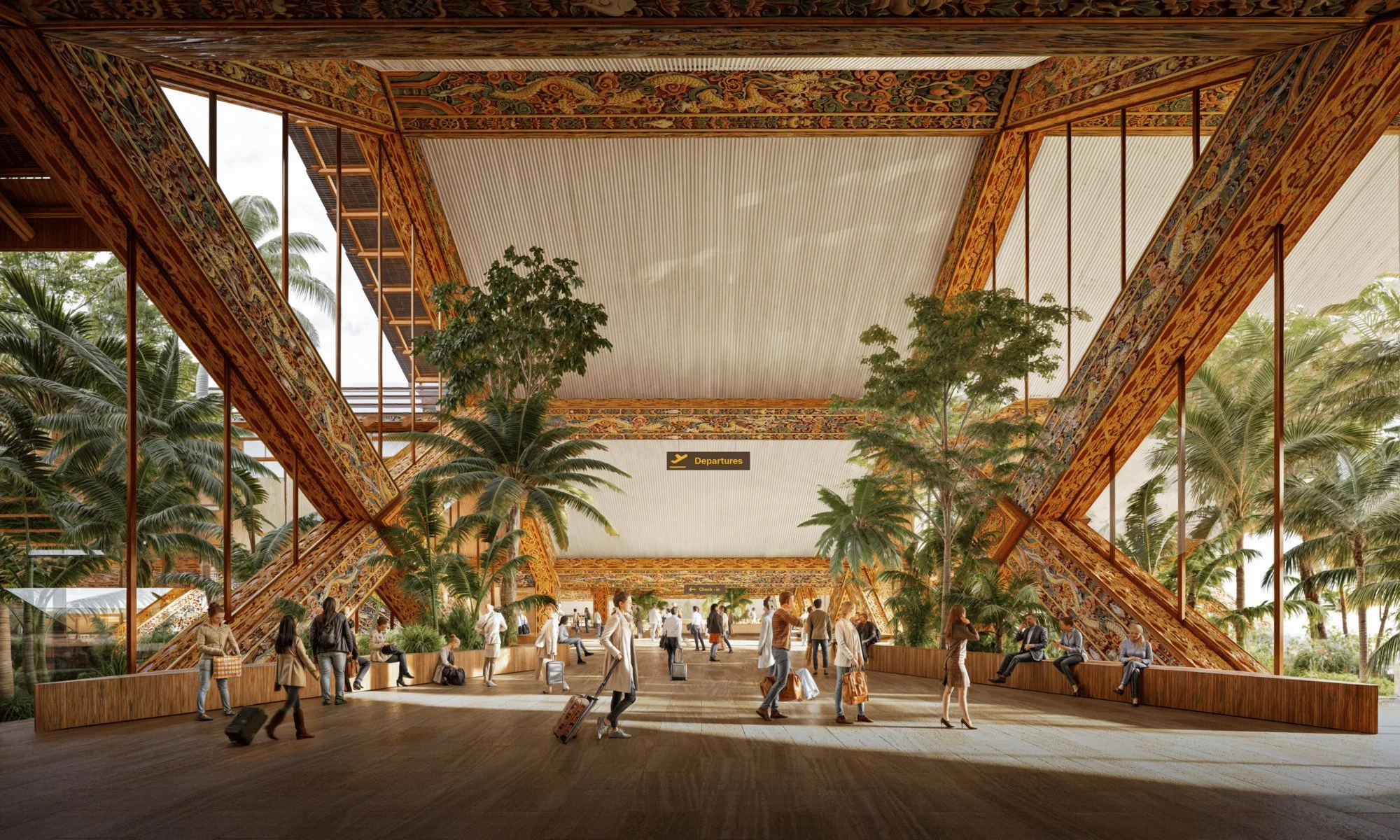
Gelephu International Airport, BIG-Bjarke Ingels Group
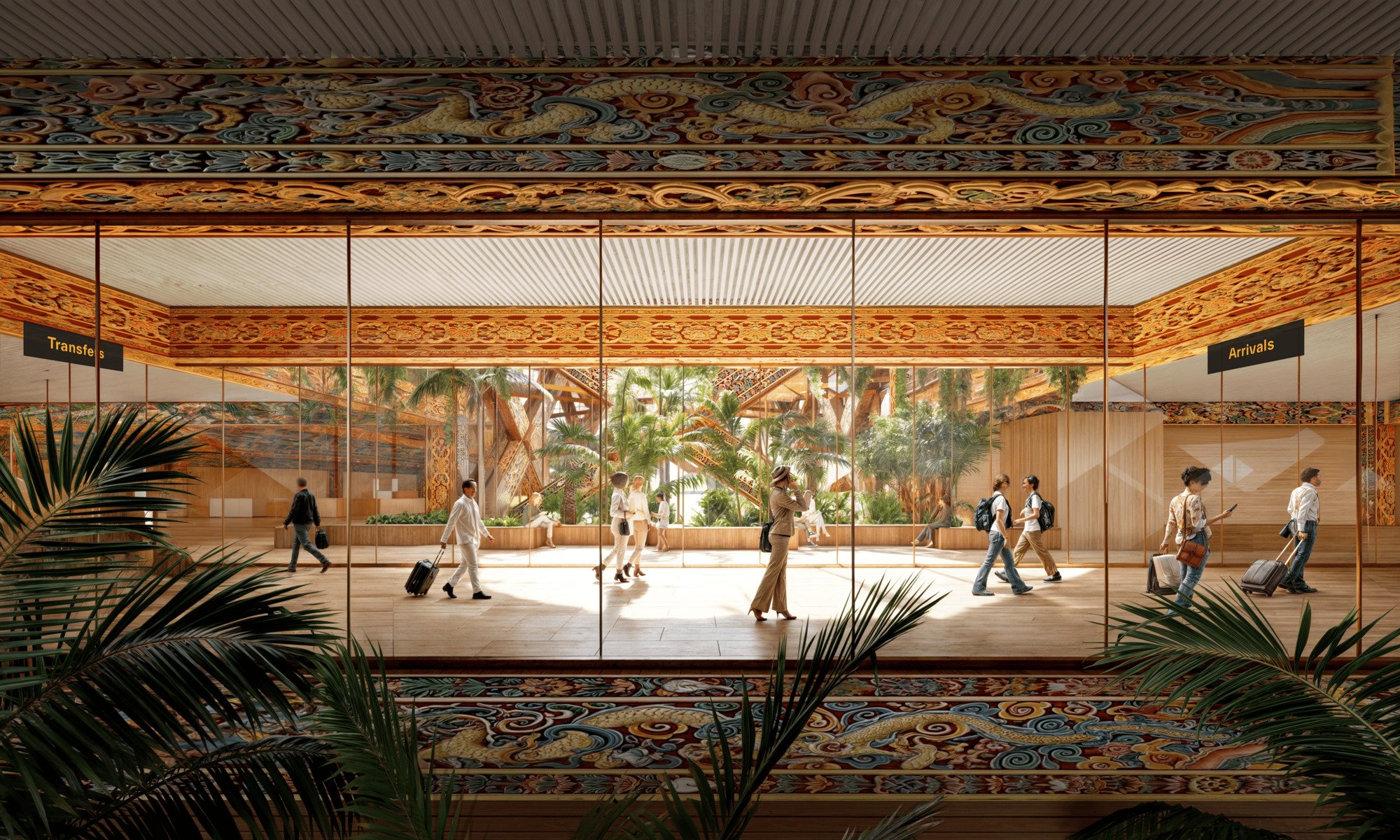
Gelephu International Airport, BIG-Bjarke Ingels Group
Every place has unique geography, climate, history and culture. Using local elements is not only about reducing carbon or being greener. It creates a sense of place, producing architecture that feels as if it has grown from its context rather than being simply placed upon it.
每一個地方,都有其獨特的地理、氣候、歷史與文化脈絡,使用在地元素不只是為了減少碳足跡和環保問題,而是為創造出獨屬於當地的風情,成為一種在地認同(sense of place),讓建築像是「長出來」而非「放上去」。
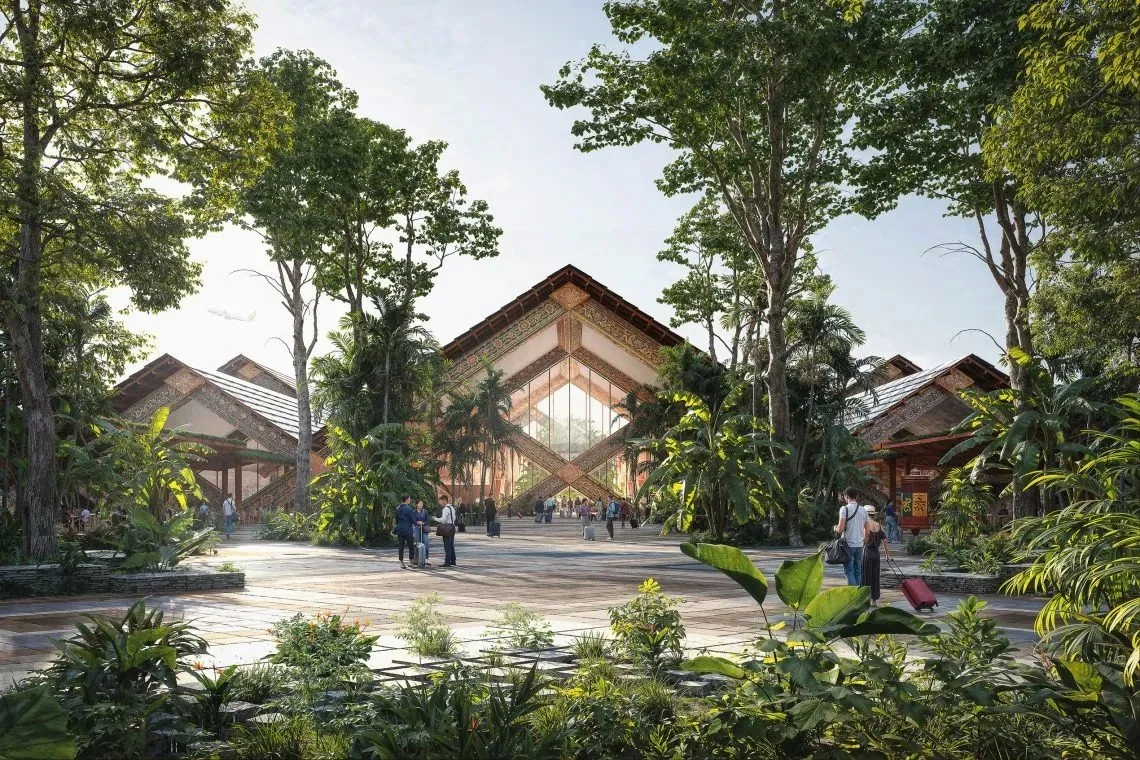
Gelephu International Airport, BIG-Bjarke Ingels Group
Perhaps the future of architecture is not about depicting a single certain tomorrow. Rather, it may be about retaining options amid uncertainty. When architecture acts with a systems perspective and thinks across longer time scales, it constructs more than space. It builds a way of being prepared for the future.
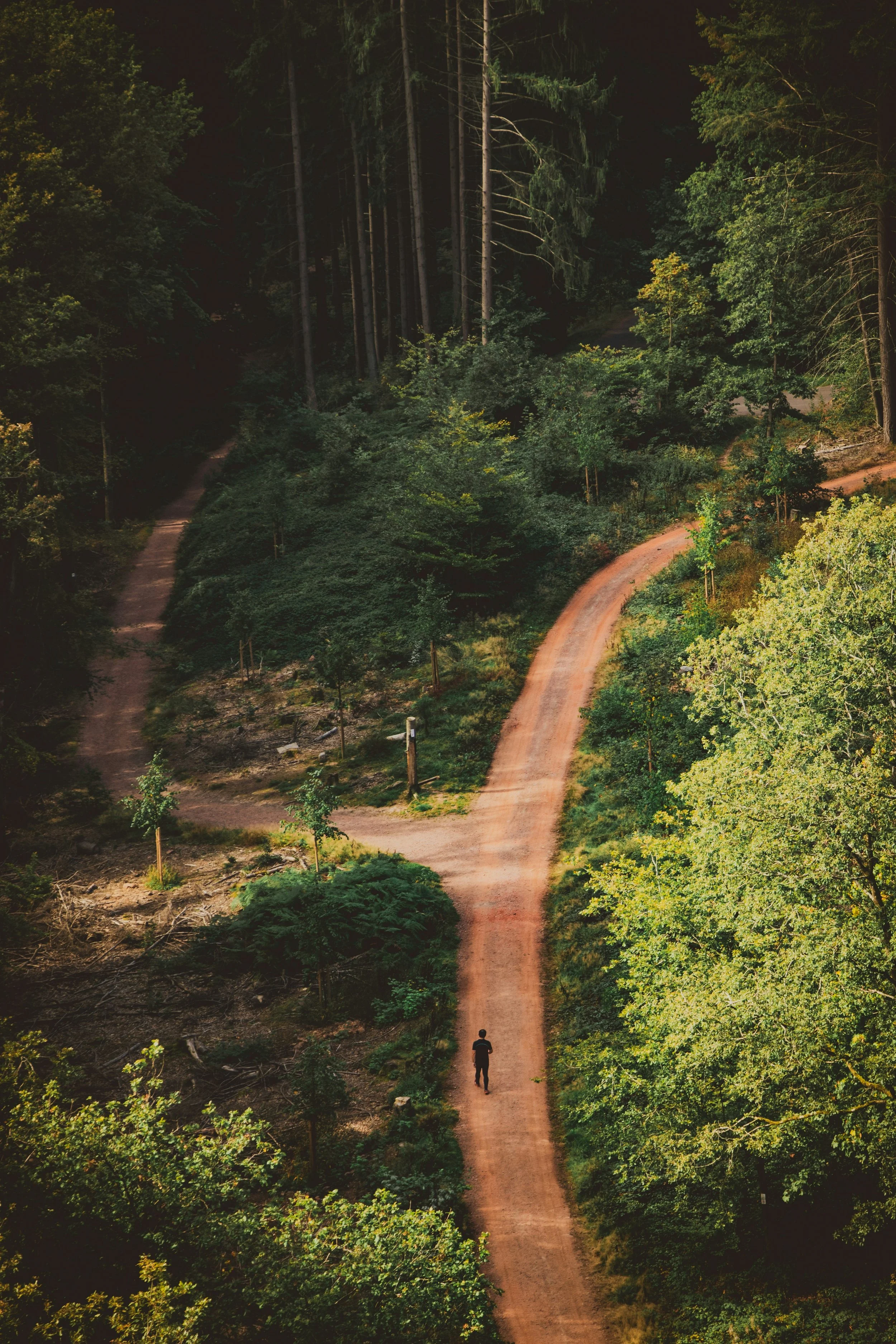
Oodi Helsinki Central Library, ALA Architects
也許,建築的未來並不是試圖描繪一個確定的明天,而也可能是在不確定之中,保有更多選項。
當建築選擇以系統性的視角行動,以更長的時間尺度思考,它所建構的,不只是一個空間,而是一種面對未來的準備方式。
規劃合作聯繫:
Info@maudarchitect.com
More Info : www.maudarchitect.com
Follow IG: @maudarchitect