
《How Can a Limited Campus LandscapeServe Multiple Needs?》
Exploring Landscape as a Multifunctional Space
探索景觀如何成為多功能空間
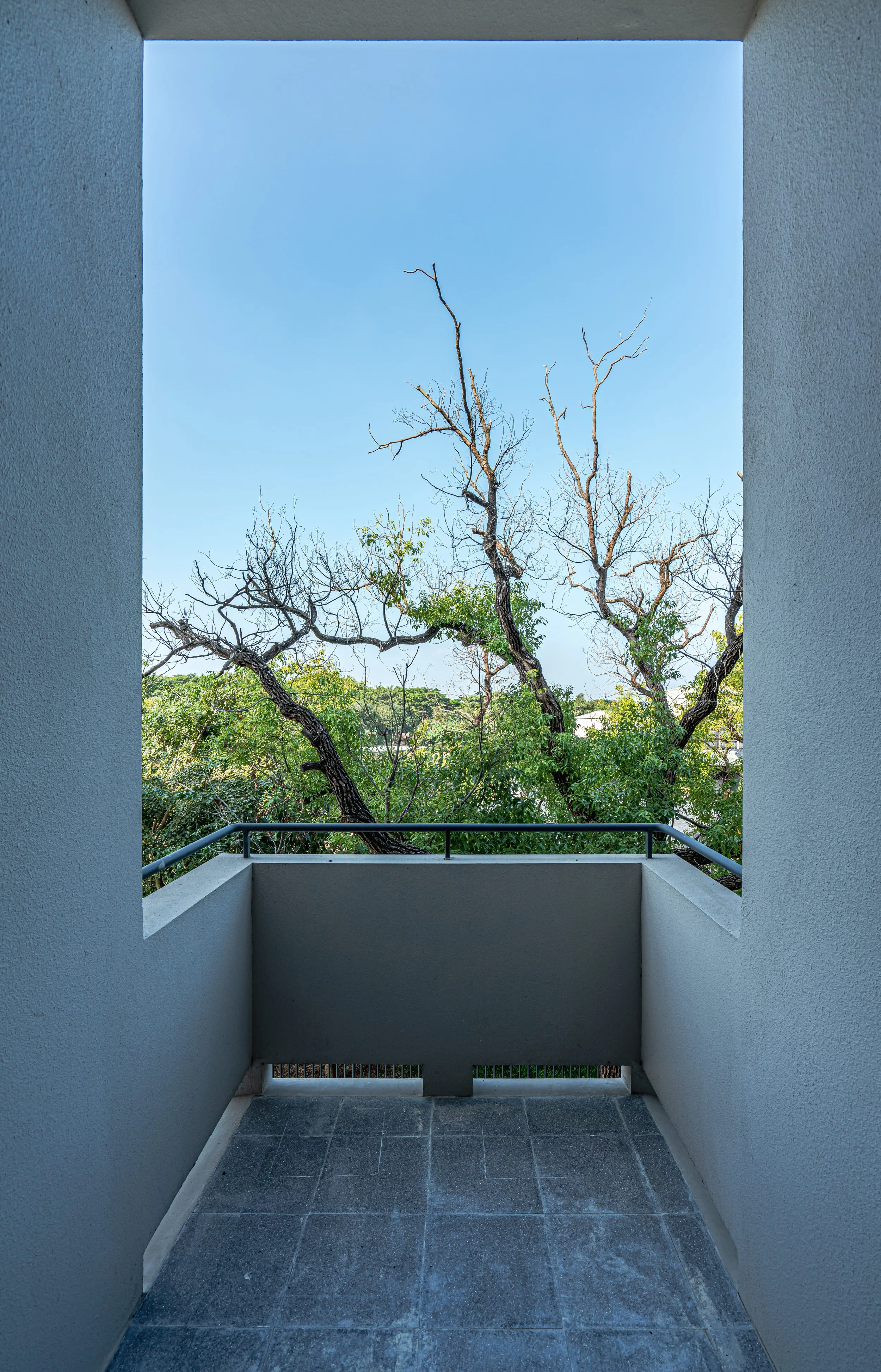
Trinity Condominium Development
景觀的角色,正在變得更多
The Role of Landscape Is Expanding
當校園土地要承擔更多需求,一條每天通行的路,也可能同時需要遮蔭、排水與停留。一處中庭,則同時影響採光、通風與活動。當不同需求開始重疊,景觀便不再只是環境背景,而成為校園運作的一部分。
As campus grounds are asked to serve more needs, even an everyday path may need to provide shade, manage rainwater and create places to pause. A courtyard can shape daylight, ventilation and activity at the same time. As these needs begin to overlap, landscape becomes more than a backdrop. It becomes part of how the campus works.
景觀除了美化環境,也讓一處空間發揮更多作用
Beyond Beautifying the Environment, Landscape Can Help a Space Do More
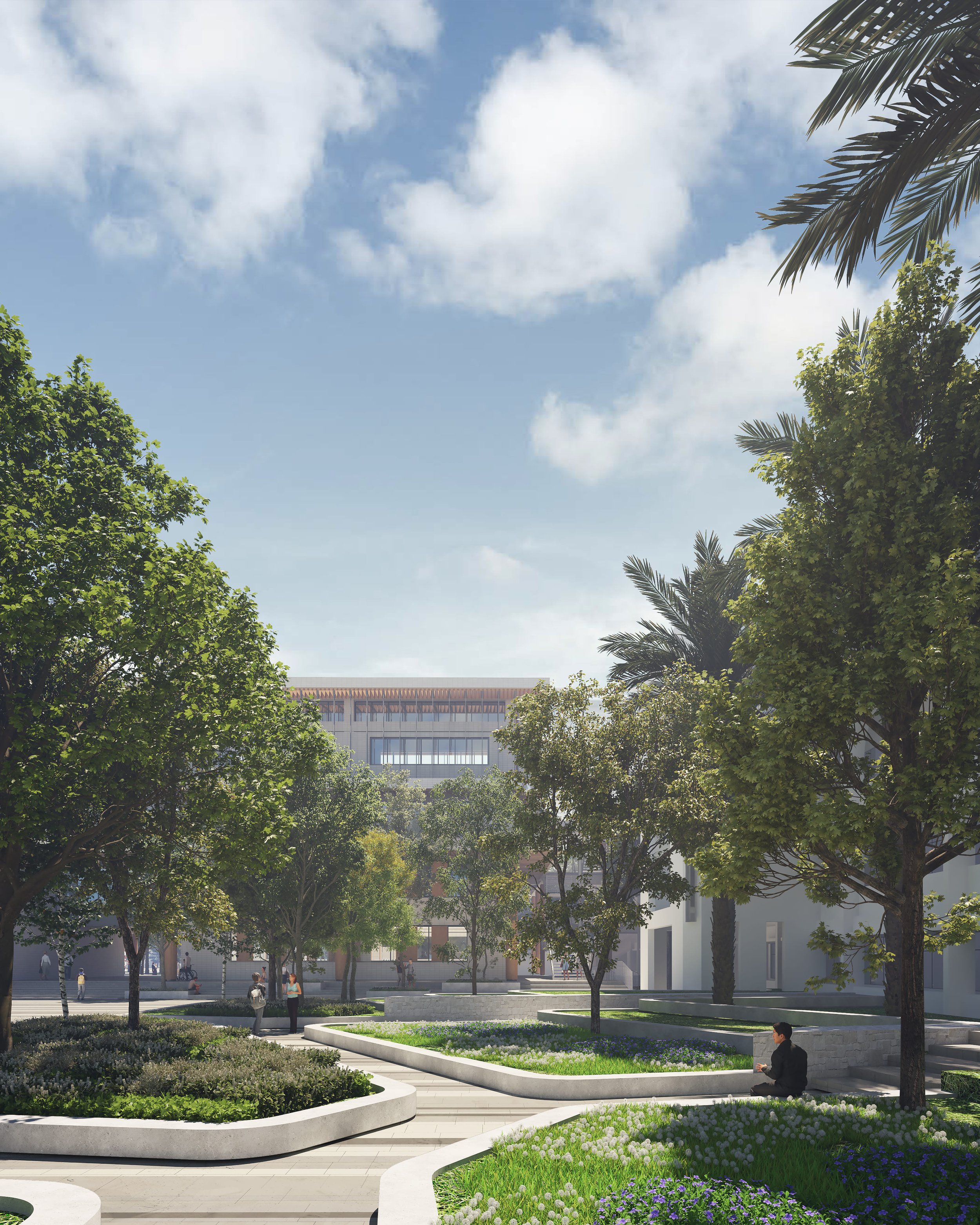
多功能景觀的關鍵,是讓不同需求在同一個設計裡被整合。當景觀與建築同步規劃,樹蔭沿動線展開,雨水順地勢被引導,沿途也形成停留空間。一條動線,便能整合通行、遮蔭、排水與交流機能。土地沒有變大,能發揮的效益卻更多。
The key to multifunctional landscape design is integrating different needs within a single design strategy. When landscape and architecture are planned together, shade can follow circulation routes, rainwater can be guided by the terrain, and places to pause can emerge along the way. One pathway can support movement, shade, drainage and social interaction at once. The site does not become larger, but its value and performance increase.
景觀的功能越多,不代表使用價值越高
More Functions Do Not Always Mean Greater Value
有限的土地若塞入過多機能,可能全部都沒達到預期效果。使用頻率不足的設施,也可能在完工後逐漸閒置,增加清潔、修繕與管理成本,甚至因積水、老化、損壞或死角,形成新的安全隱患。對土地、預算與人力有限的校園而言,多功能不只看完工時的機能,更要考慮多年使用後,是否依然安全、舒適,也容易維護。
Fitting too many functions into a limited site does not necessarily create better results. Facilities that are rarely used may gradually become underused after completion, increasing cleaning, repair and management costs. Poor drainage, ageing materials, damage or hidden corners can also create new safety concerns. For campuses with limited land, budgets and staffing, multifunctional design must be evaluated not only at completion, but also by whether it remains safe, comfortable and easy to maintain over time.
景觀設計不能替學校決定課程,但能為學習創造更多空間條件
Landscape Design Cannot Define the Curriculum, but It Can Create More Conditions for Learning
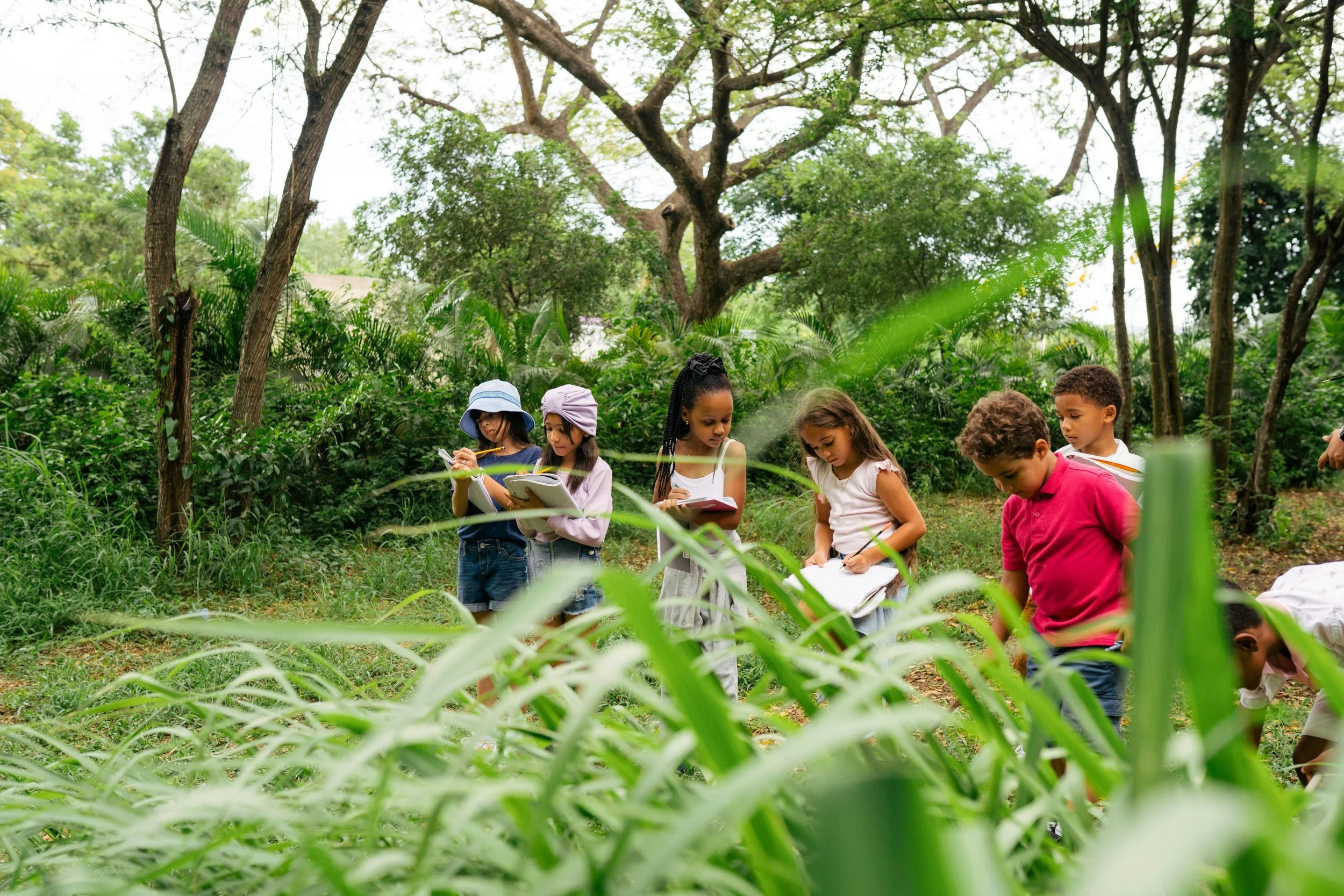
學習不只發生在教室裡,也來自學生每天對環境的觀察、探索與互動。當庭院貼近教室,戶外活動更容易展開;當植栽、光影為日常接觸的環境,校園本身也能成為理解生態與能源運作的媒介。多功能景觀的價值之一,就是讓學習更有機會自然延伸到教室之外。
Learning does not happen only in classrooms. It also grows from students’ daily observation, exploration and interaction with their surroundings. When courtyards are closely connected to classrooms, outdoor activities become easier to extend into daily learning. When planting, light and shadow become part of everyday experience, the campus itself can help students understand ecology and environmental systems. One of the values of multifunctional landscape design is creating more opportunities for learning to extend naturally beyond the classroom.
讓永續變成每天看得見的校園日常
Making Sustainability Part of Everyday Campus Life
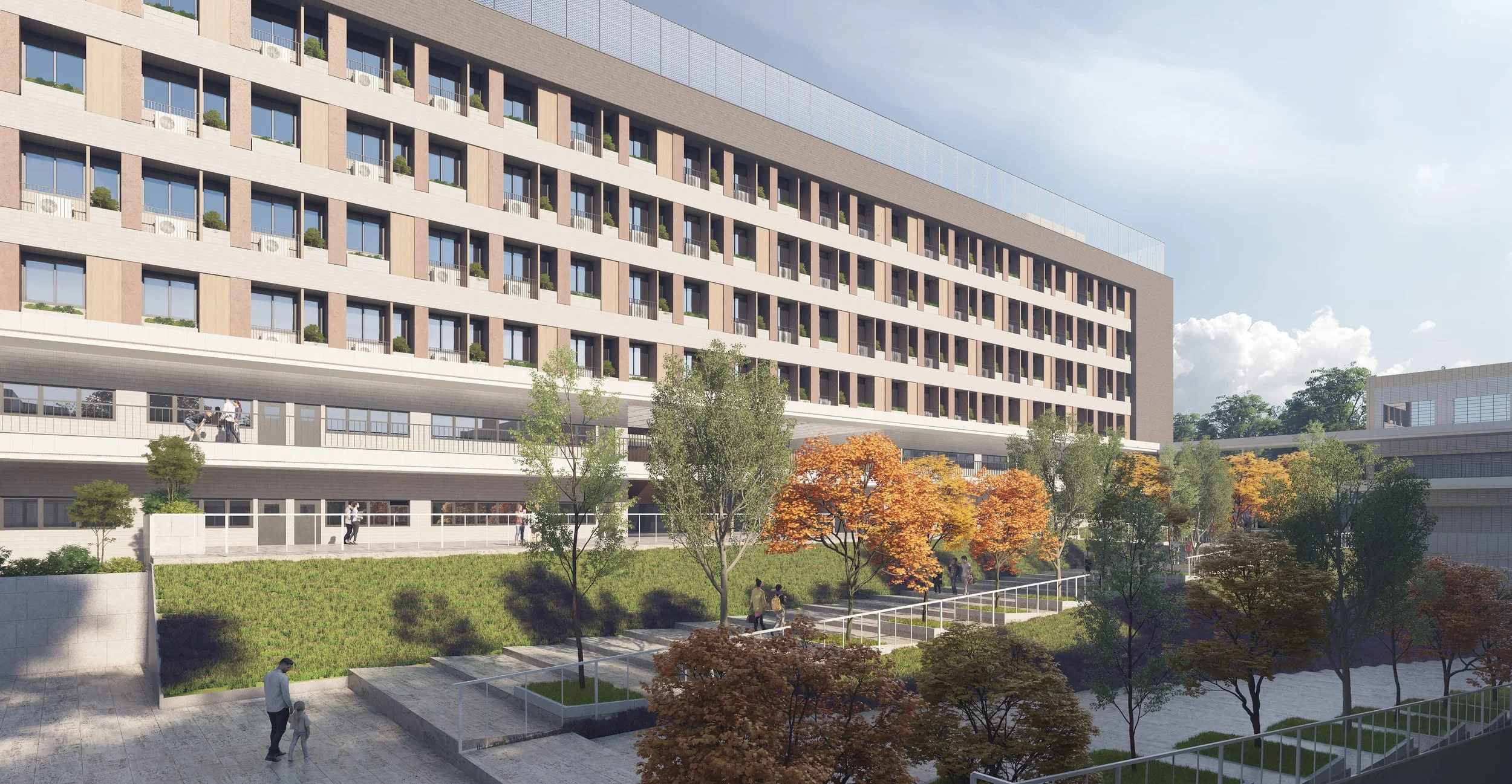
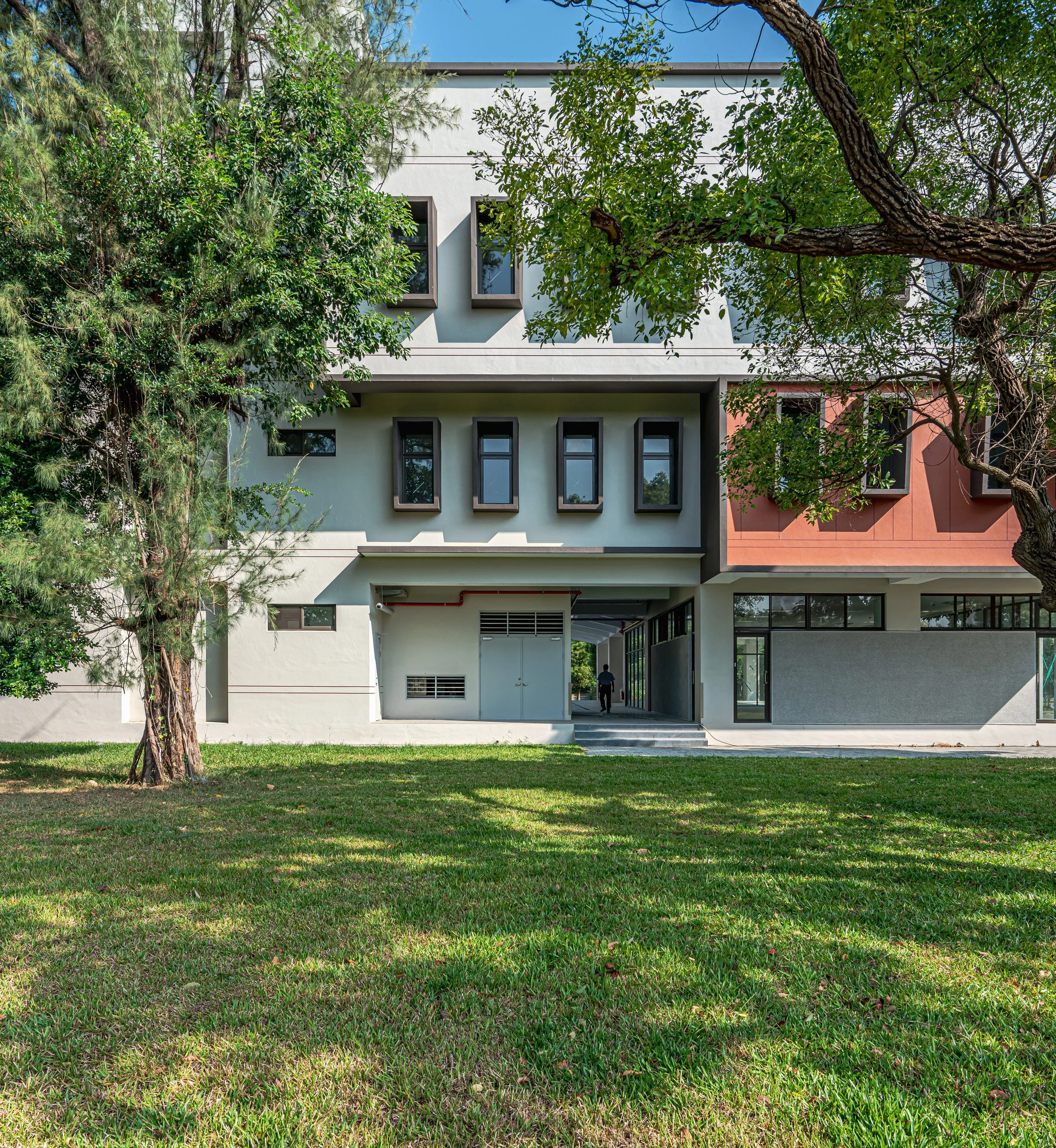
隨著教育環境朝向永續循環發展,MAUD 在國立北門高級農工職業學校專案中,整合大面積綠地、開放空間、雨水回收、節能設計與太陽能屋頂,讓景觀與建築彼此支援,創造孩子們在學習中更多戶外體驗。當永續成為日常環境,整座校園都可能成為學習的起點。
As educational environments move toward greater sustainability and circular thinking, MAUD’s design for National Pei-Men Senior Agricultural and Industrial Vocational School integrates extensive green spaces, open areas, rainwater harvesting, energy-efficient strategies and solar roofs. Landscape and architecture work together to create more opportunities for outdoor learning and experience. When sustainability becomes part of the everyday environment, the entire campus can become a starting point for learning.
規劃合作聯繫:
Info@maudarchitect.com
More Info : www.maudarchitect.com
Follow IG: @maudarchitect