
《As DINK Households Become the New Normal, How Should Architecture Respond to a New Generation of Living?》
從少子化看住宅與公設空間邏輯轉型
Rethinking Residential and Shared-Amenity Design in an Era of Declining Birth Rates
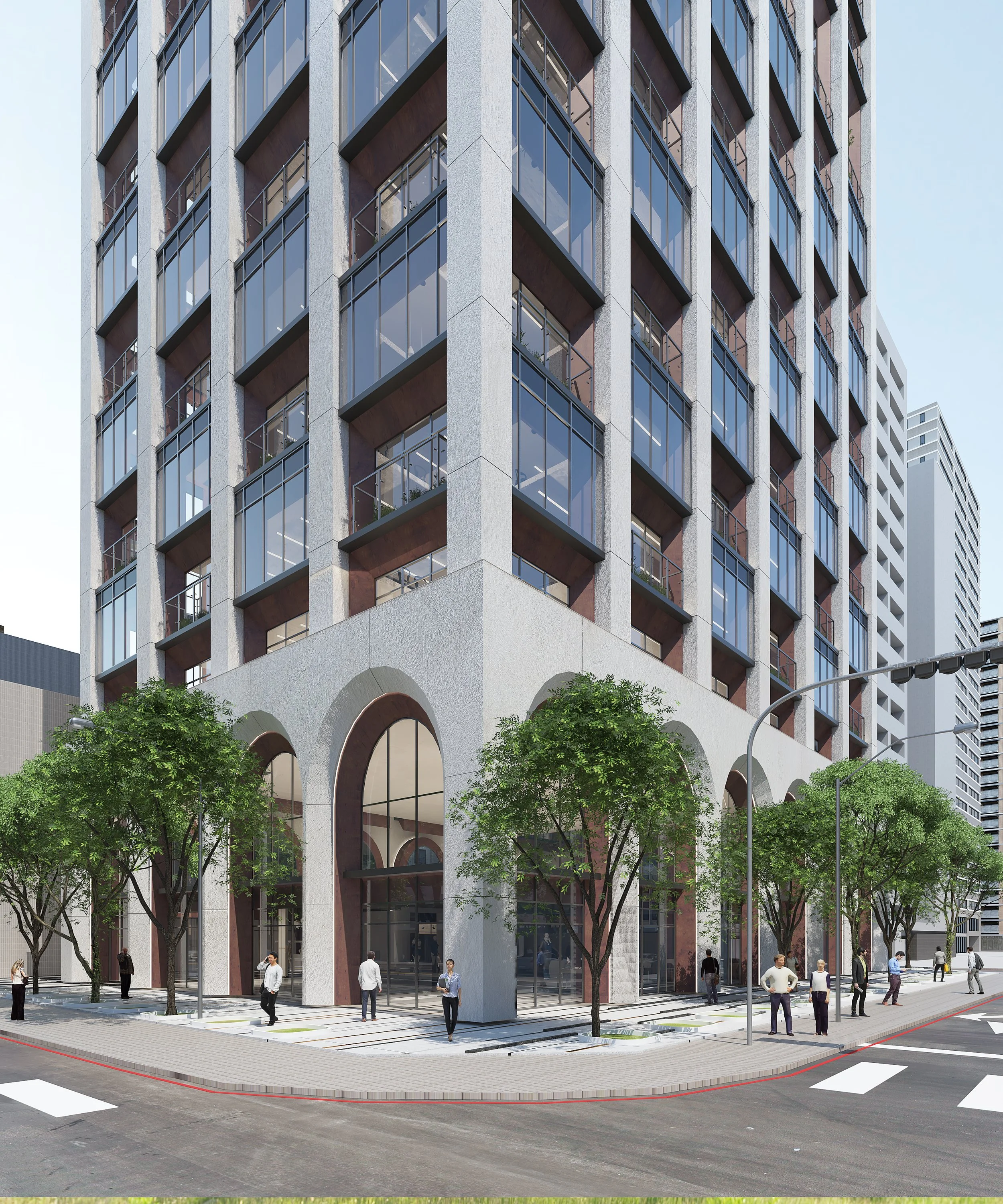
全球正在經歷一場靜悄悄的人口重組。根據統計,台灣 2024 年 1–2 人家庭已超過戶數三成,頂客族(夫妻雙薪、無子女的一種族群生活型態)悄悄成為住宅市場的沉默主力。
The world is undergoing a quiet demographic shift. In Taiwan, one- and two-person households accounted for more than 30% of all households in 2024. DINK households, typically dual-income couples without children, are gradually becoming an important yet understated force in the housing market.

曾經,建築中的公設邏輯建立在「一家四口」的想像上——親子泳池、兒童遊戲室、家庭閱覽室,空間規劃完善,使用率卻每況愈下;但其中不起眼的小健身房卻天天在下班後的時間擠滿了人。
Residential amenities were once planned around the conventional image of a family of four, with children’s pools, playrooms and family reading rooms forming the standard programme. Yet while these spaces became increasingly underused, a modest gym might remain crowded every evening after work.

公設的真實使用情境,早以擴張至孩子以外的生活。
頂客族們也許有寵物、有需要照顧的年邁父母、有對身體管理的高度意識,也有在都會裡活出精緻生活的強烈意願。如今,寵物洗澡站與寵物公園,取代兒童遊戲場;健康照護與共融設施,回應高齡照護的現實;社交廚房、品酒室、共享工作室,服務重視生活品質的雙薪族。
The real use of shared amenities has already expanded far beyond children-focused programmes.
DINK households may have pets, ageing parents who require care, a strong awareness of health and wellbeing, and a desire for a more refined urban lifestyle. Today, pet washing stations and pet parks may take the place of conventional children’s play areas; wellness and inclusive facilities respond to ageing-related needs; while social kitchens, wine rooms and shared workspaces support dual-income residents who place greater value on quality of life.
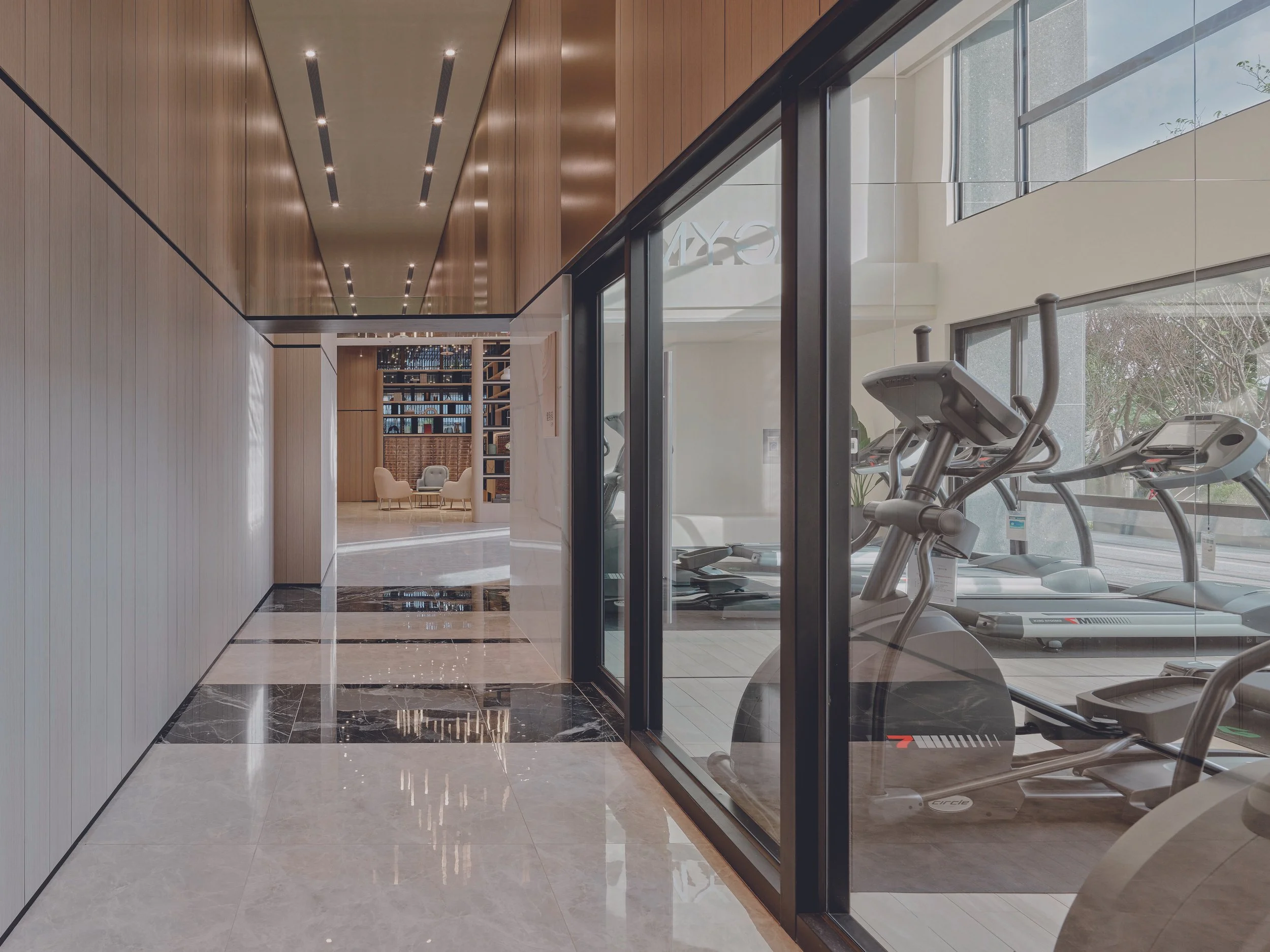
現代的家庭組成愈少子化,生活的需求反而更精緻、更多元;住宅坪數越住越小,生活的想像力越來越大。公設,正是讓小宅住出大生活的那塊關鍵拼圖。建築中公設的黃金時代,或許就是從需求被重新定義的那一刻開始。
As household sizes become smaller, lifestyles are becoming more refined and diverse. Homes may be shrinking in size, yet expectations for living continue to expand. Shared amenities therefore become a key part of enabling a smaller home to support a richer way of life. The new era of residential amenities may begin precisely when these needs are redefined.
規劃合作聯繫:
Info@maudarchitect.com
More Info : www.maudarchitect.com
Follow IG: @maudarchitect