
《Why Has Mixed-Use Development Become a New Consensus in the Post-Pandemic Era?》
分析未來具競爭力的建築設計策略
Exploring Architectural Strategies for Future Competitiveness
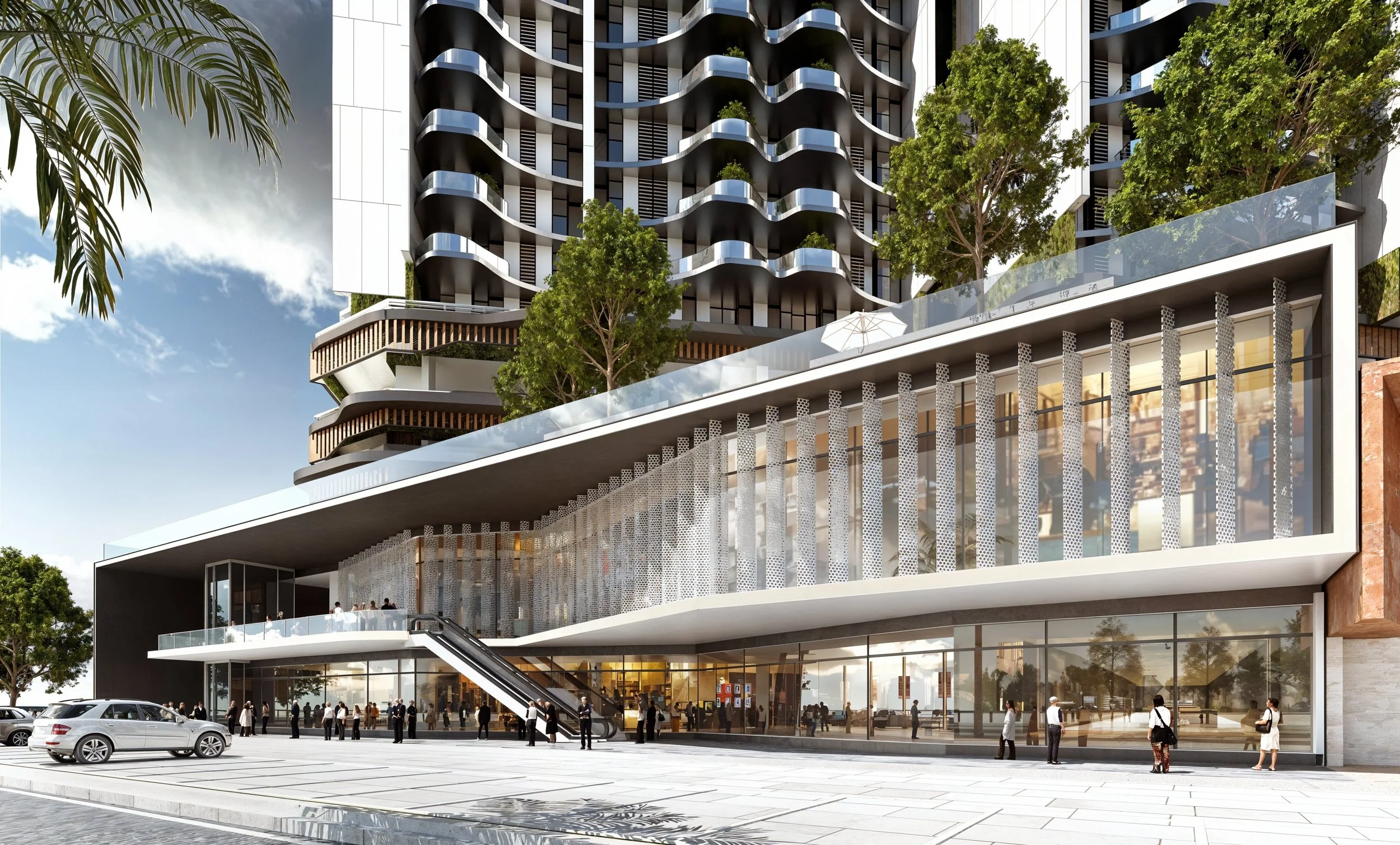
根據 Cushman & Wakefield《2024 亞太辦公市場展望》:亞太地區整體辦公建築空置率在 2023 年已達 17.6%——台灣、馬來西亞、泰國等市場預計在未來幾年將超過 25%。
According to Cushman & Wakefield’s 2024 Asia Pacific Office Outlook, the overall office vacancy rate across Asia Pacific reached 17.6% in 2023. Markets including Taiwan, Malaysia and Thailand are expected to exceed 25% in the coming years.
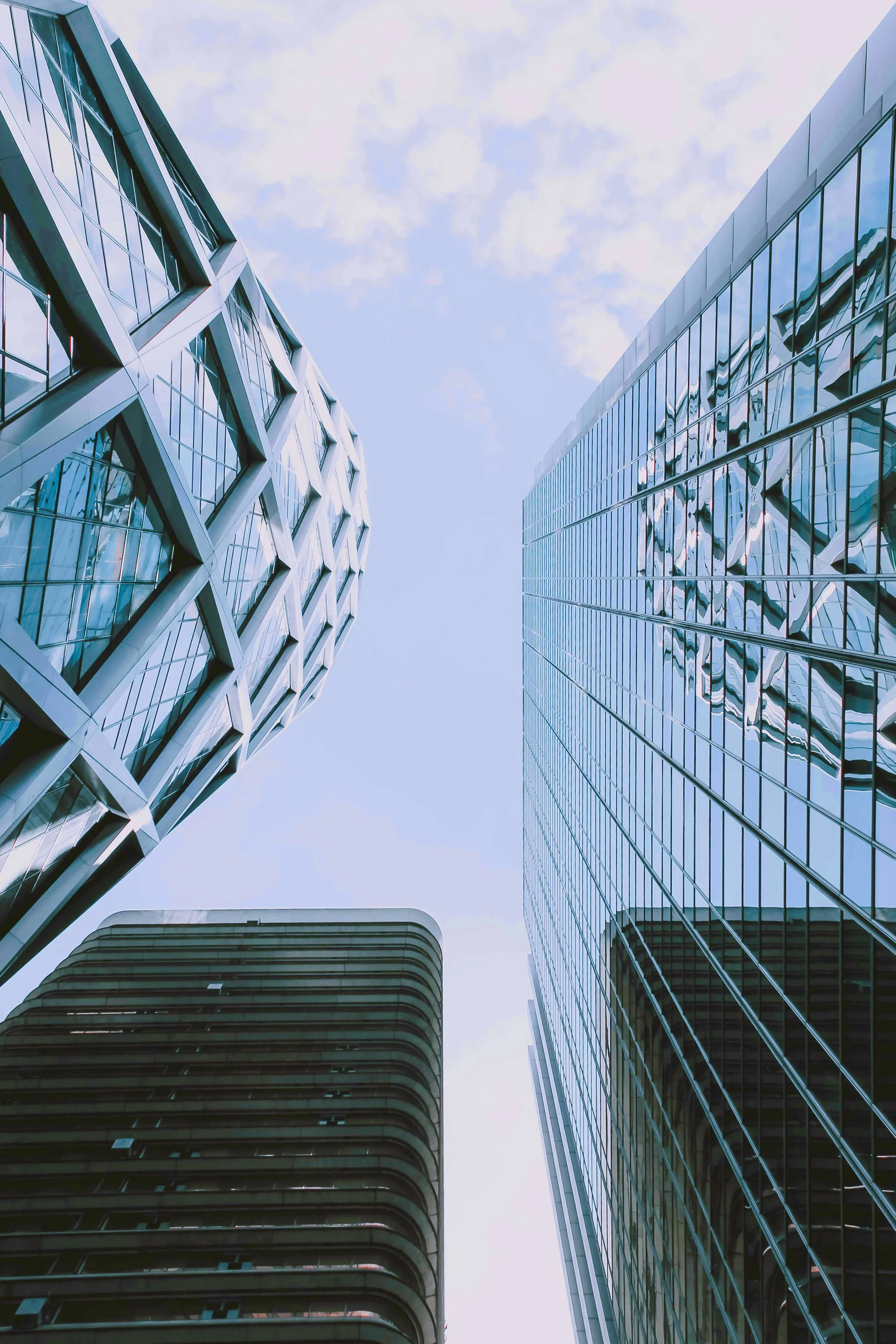
後疫情世代重新定義需求:人們渴望的是一個承載完整生活的地方
The Post-Pandemic Era Is Redefining Demand: People Want Places That Support a Complete Way of Life
對使用者而言,混合使用建築意味著便利之上的自由,是讓生活不必被切割的空間,一個整合了生活全部所需的空間環境,時間不再消耗在移動上,就能擁有完整的城市生活。後疫情世代的居住與工作邊界已經模糊,早上在同棟的辦公室工作,下午去樓上的咖啡廳,晚上步行到地面層的餐廳。不需要通勤與切換,生活本身就在這裡流動。
For users, mixed-use architecture offers more than convenience. It creates the freedom to live without constantly moving between separate destinations. By bringing everyday needs together within one environment, time spent commuting is reduced and a more complete urban life becomes possible. In the post-pandemic era, the boundaries between living and working have become increasingly blurred: working in an office within the same development in the morning, moving to an upstairs café in the afternoon, and walking to a restaurant at ground level in the evening. Life can unfold continuously within one place.
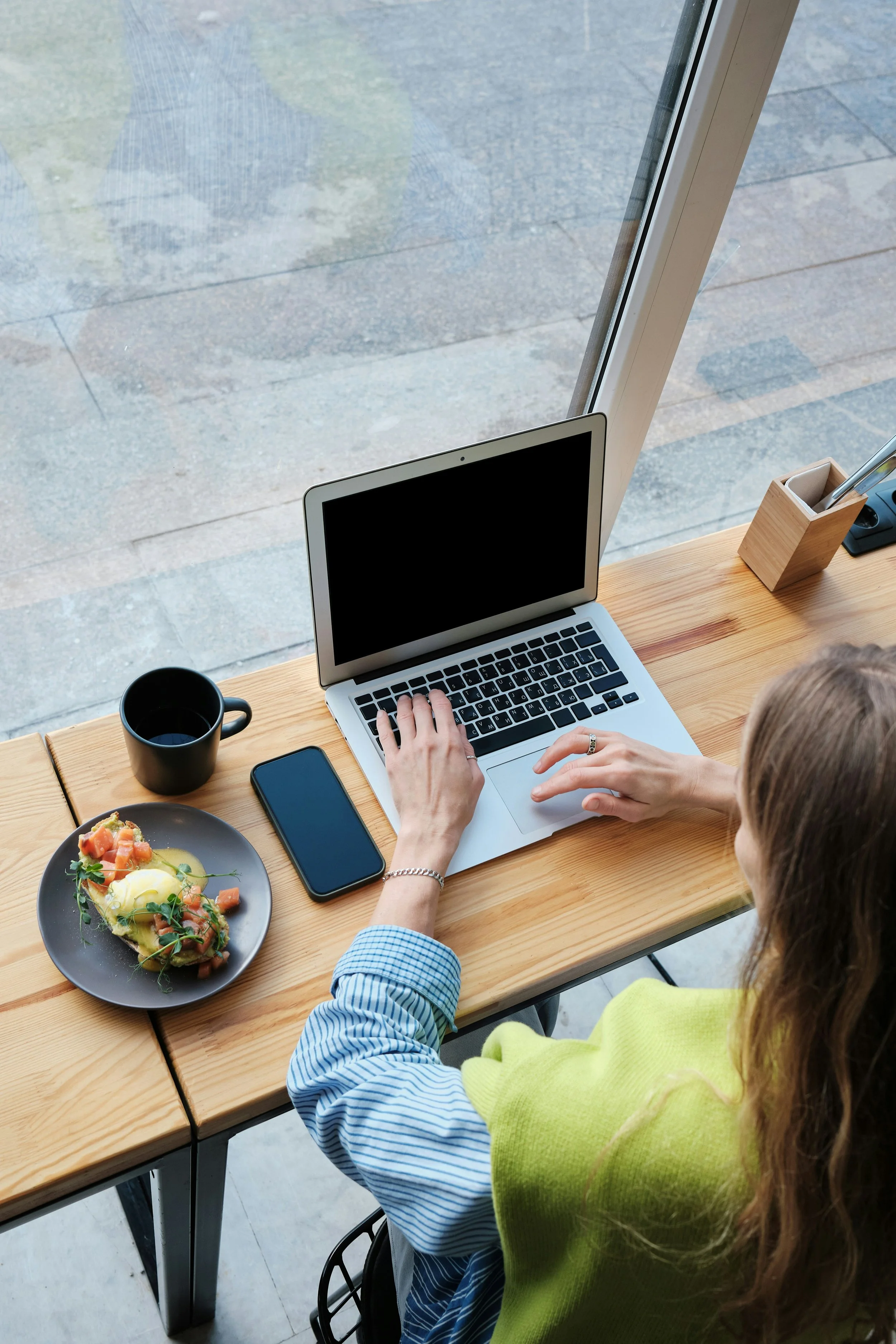
與此同時,具備住宅、辦公、商業與公共設施的複合型開發,在佔有率與租金韌性上普遍優於單一用途建築。這正是全球開發商加速轉向混合使用策略的核心驅動力。
At the same time, developments that combine residential, office, commercial and public amenities tend to demonstrate stronger occupancy and rental resilience than single-use buildings. This has become one of the key reasons why developers around the world are accelerating their shift toward mixed-use strategies.
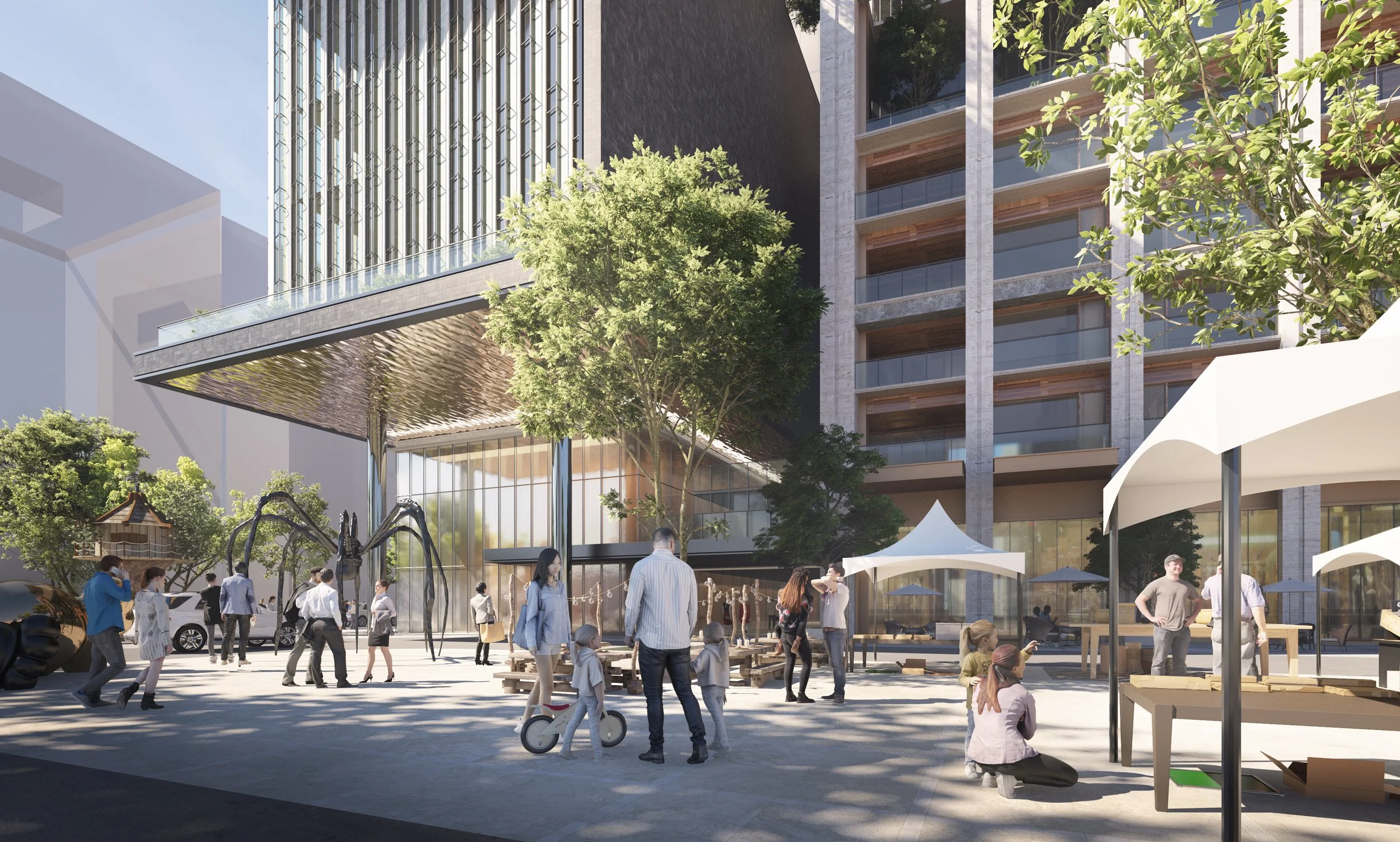
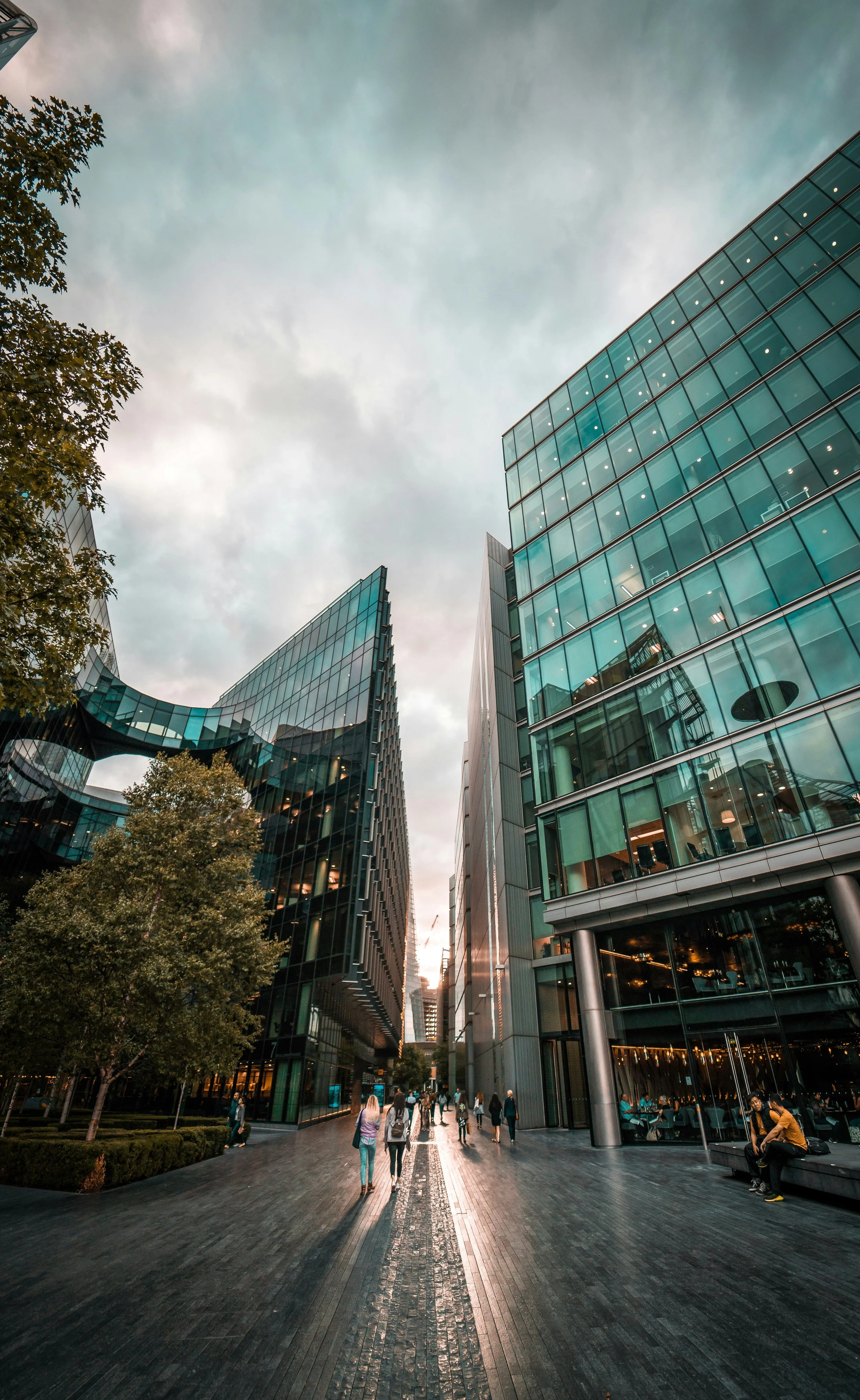
從倫敦到東京六本木,最成功的城市再生,都有同一個邏輯:讓一塊土地,在不同時段服務不同人、不同的需求。後疫情世代帶來的行為轉變,只是加速了這件事的發生。現在,許多開發商與建商,正站在這個選擇的分叉口。
From London to Roppongi in Tokyo, many successful urban regeneration projects share the same principle: allowing one piece of land to serve different people and different needs at different times of day. Behavioural shifts after the pandemic have simply accelerated this transition. Developers are now increasingly faced with a choice between maintaining conventional single-use models or moving toward more integrated forms of development.
規劃合作聯繫:
Info@maudarchitect.com
More Info : www.maudarchitect.com
Follow IG: @maudarchitect