
《In an Era of Labour Shortages, How Can Factories Help Attract and Retain Talent?》
解析建築設計打造雇主品牌競爭力
Exploring How Architectural Design Can Strengthen Employer Brand Competitiveness
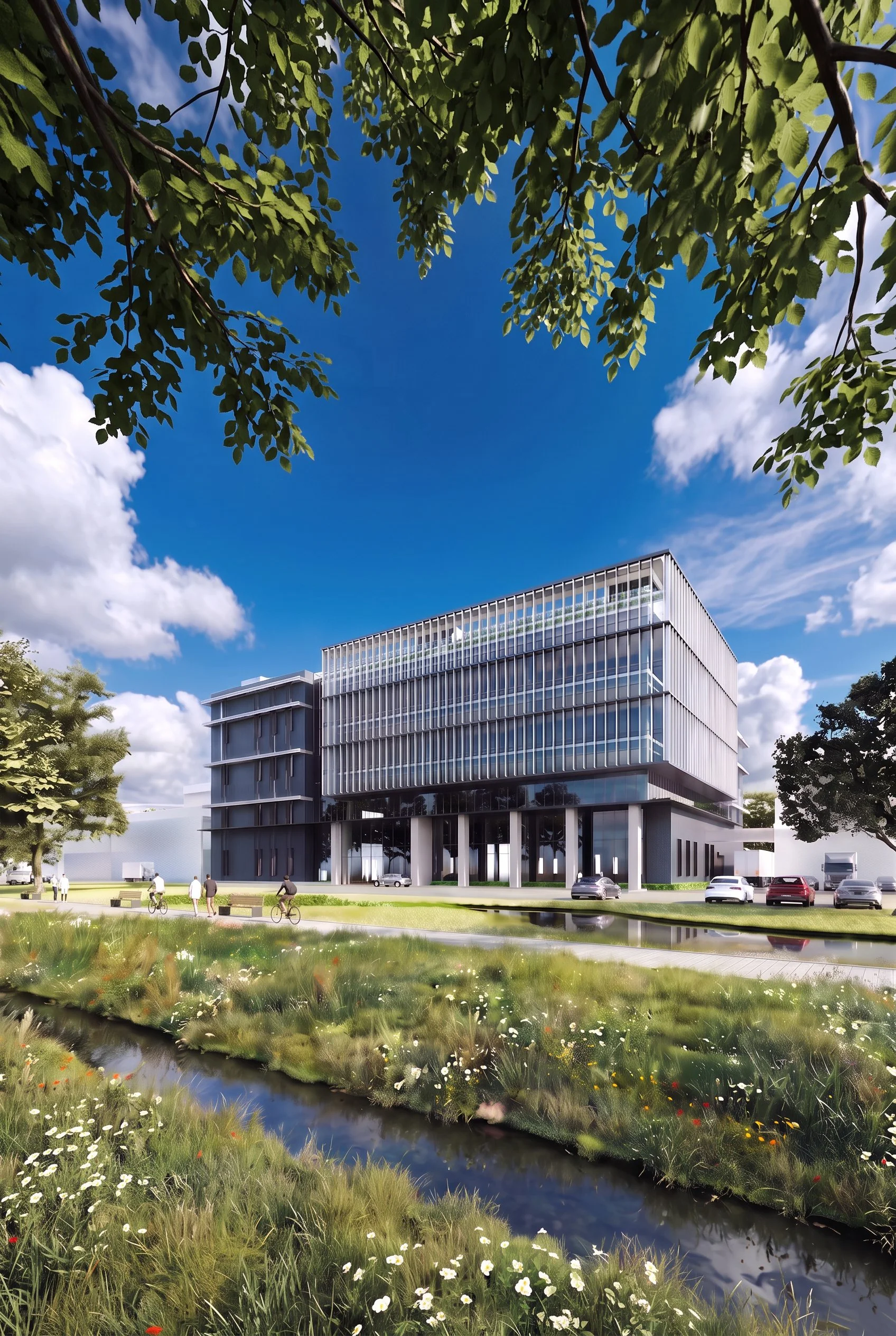
人才競爭,延伸至日常工作環境
Talent Competition Extends into the Everyday Workplace
馬來西亞製造業持續擴張,加上新加坡就業市場的人才磁吸效應,企業面臨更高的招募與留任壓力。高溫、噪音、採光、休息設施及換班動線,也會直接影響員工體驗與日常管理。
As Malaysia’s manufacturing sector continues to expand, combined with the strong pull of Singapore’s employment market, companies face increasing pressure to recruit and retain talent. Heat, noise, daylight, rest facilities and shift circulation all directly affect the employee experience and day-to-day
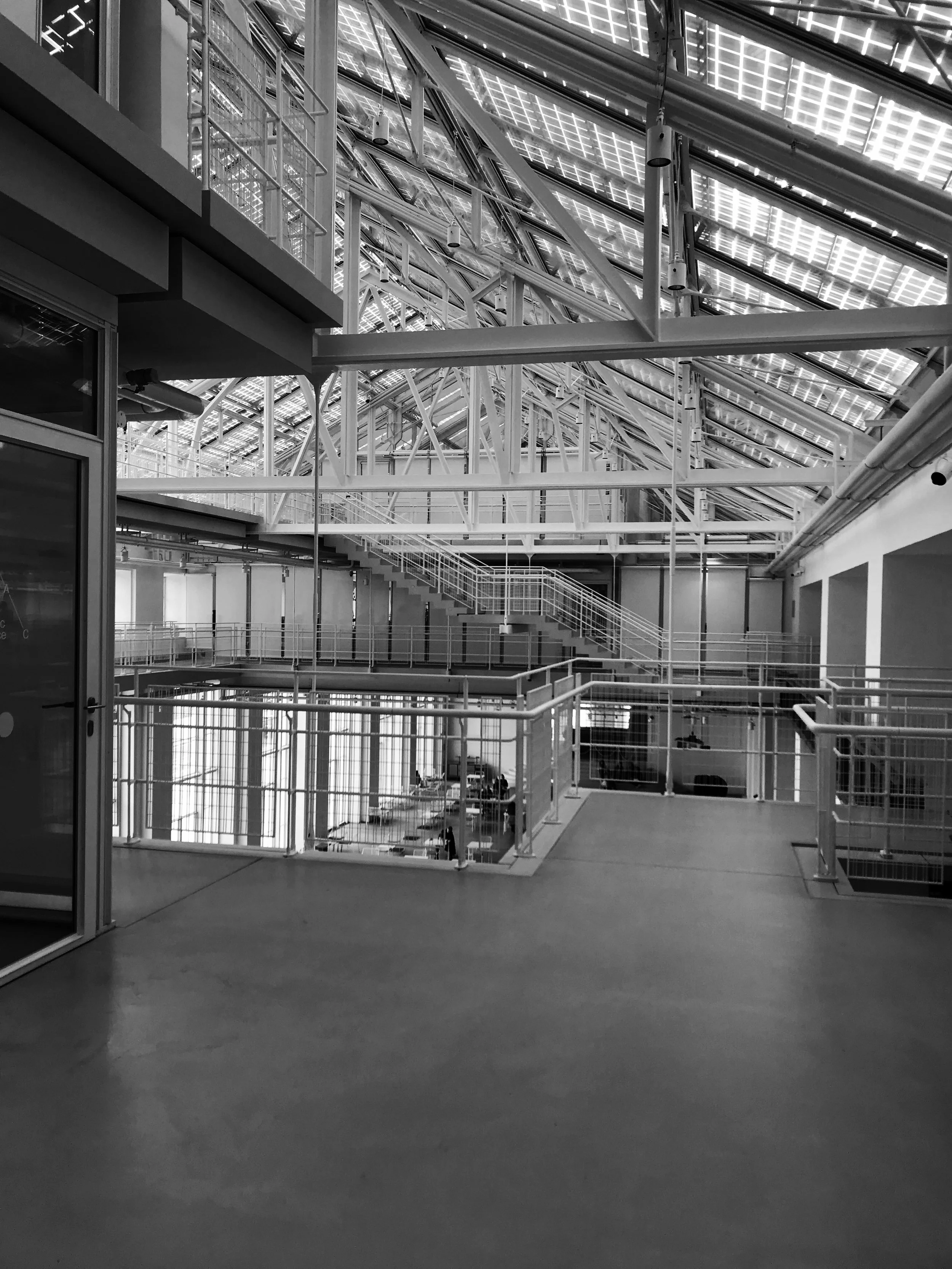
建築是人才認識企業的第一印象
Architecture Is One of the First Impressions Employees Have of a Company
具辨識度且規劃完整的廠房,能傳達企業的規模、專業度及對員工環境的投入。
A well-planned and recognisable industrial facility can communicate a company’s scale, professionalism and commitment to the working environment.
當職缺內容與待遇相近,工作場所的舒適度、安全性與便利性,便可能成為人才選擇企業的重要差異。
When job scope and compensation are similar, the comfort, safety and convenience of the workplace can become an important factor in how talent chooses between employers.
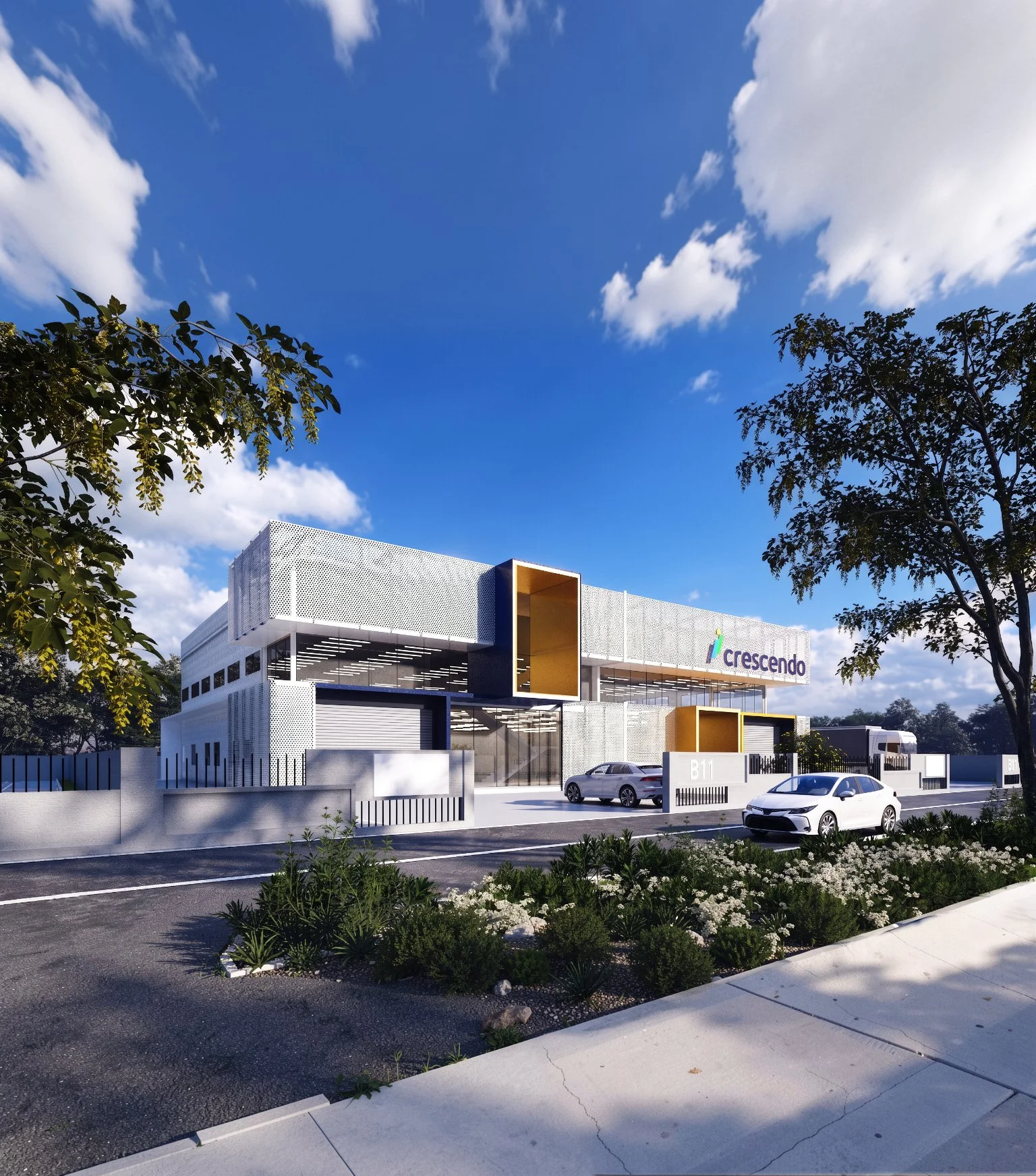
建築設計從營運出發,規劃有利留才的空間
Designing Workplaces for Retention Starts with Operations
透過隔熱、遮陽、通風與噪音控制改善工作環境,並合理配置餐飲、休憩、更衣及祈禱空間。禁區分員工、訪客、貨車與物流動線,也能減少交叉干擾,提升換班安全與日常管理效率。
Thermal insulation, shading, ventilation and noise control can improve working conditions, while well-planned dining, rest, changing and prayer spaces support employees’ daily needs. Separating staff, visitors, trucks and logistics routes can also reduce conflicts, improve shift-change safety and increase operational efficiency.

工作環境同時影響客戶與供應鏈評估
The Workplace Also Shapes Client and Supply Chain Evaluations
國際客戶進行供應商稽核時,除生產與品質管理,也會檢視職業安全、員工設施、住宿及環境責任。接待、展示與生產區的配置,影響客戶對企業技術與管理能力的判斷。員工住宿亦須符合馬來西亞相關法規與安全衛生標準。
When international clients audit suppliers, they assess more than production and quality management. Occupational safety, employee facilities, accommodation and environmental responsibility are also part of the evaluation. The organisation of reception, display and production areas can influence how clients perceive a company’s technical and management capabilities. Employee accommodation must also comply with relevant Malaysian regulations and health and safety standards.
Image: BCIP Warehouse, Crescendo Development Sdn Bhd, MAUD Architecture

超過 2,000 棟的在地經驗,降低投資與落地風險
Over 2,000 Buildings of Local Experience Help Reduce Investment and Delivery Risk
MAUD 累積超過 2,000 棟馬來西亞建築經驗,熟悉當地氣候、產業需求、法規與審批流程。從設計初期整合品牌、生產、員工需求及擴建計畫,並協調在地團隊推進設計與送審,減少設計反覆、更明確的法規應對,以及更可控的工期、成本與營運風險。
With experience across more than 2,000 buildings in Malaysia, MAUD understands the local climate, industrial requirements, regulations and approval processes. From the early design stage, brand identity, production needs, employee requirements and future expansion can be considered together. Coordination with local teams throughout design and submission helps reduce redesign, clarify regulatory responses, and create greater control over programme, cost and operational risk.
Image: BANDAR CEMERLANG, Crescendo Development Sdn Bhd, MAUD Architecture
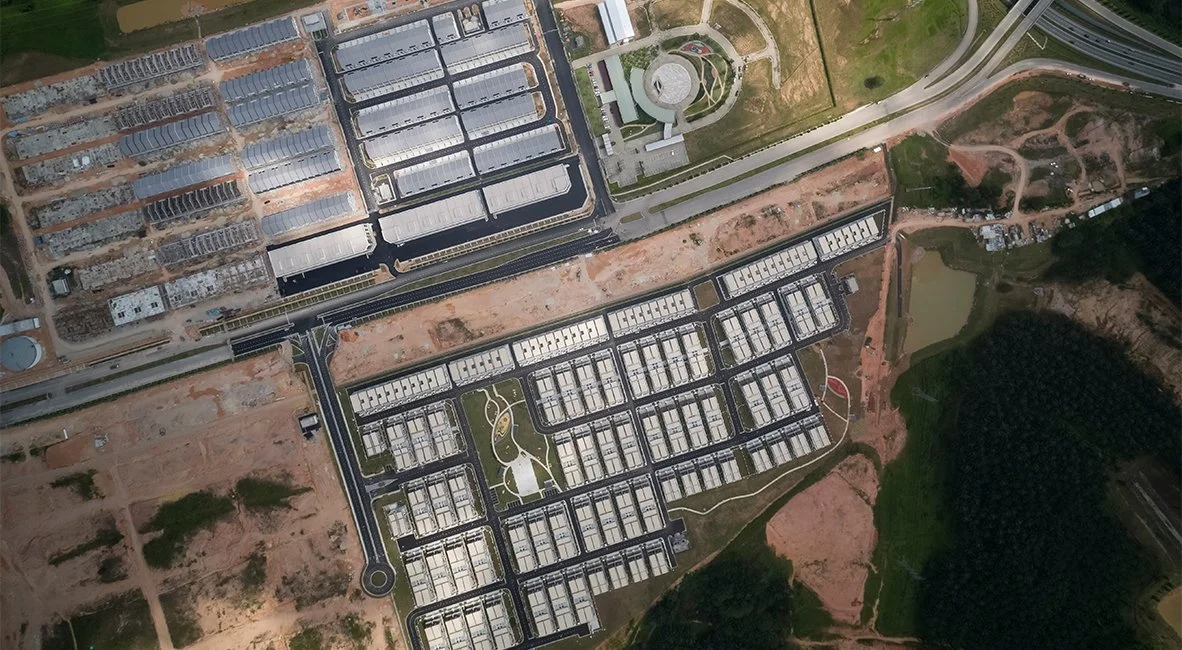
建築強化雇主品牌,降低缺工帶來的營運風險
Architecture Strengthens the Employer Brand and Reduces Labour-Related Operational Risk
空間無法取代薪資、制度與管理,卻能將企業對人才的重視落實於工作環境。具辨識度、舒適、安全且回應多元需求的廠房,有助於提升招募吸引力與員工留任率,進一步穩定人力、降低管理及培訓成本,支撐企業長期產能。
Space cannot replace compensation, company policies or good management, but it can make a company’s commitment to its people visible in the working environment. A distinctive, comfortable and safe factory that responds to diverse employee needs can help strengthen recruitment appeal and staff retention, contributing to a more stable workforce, lower management and training costs, and stronger long-term production capacity.
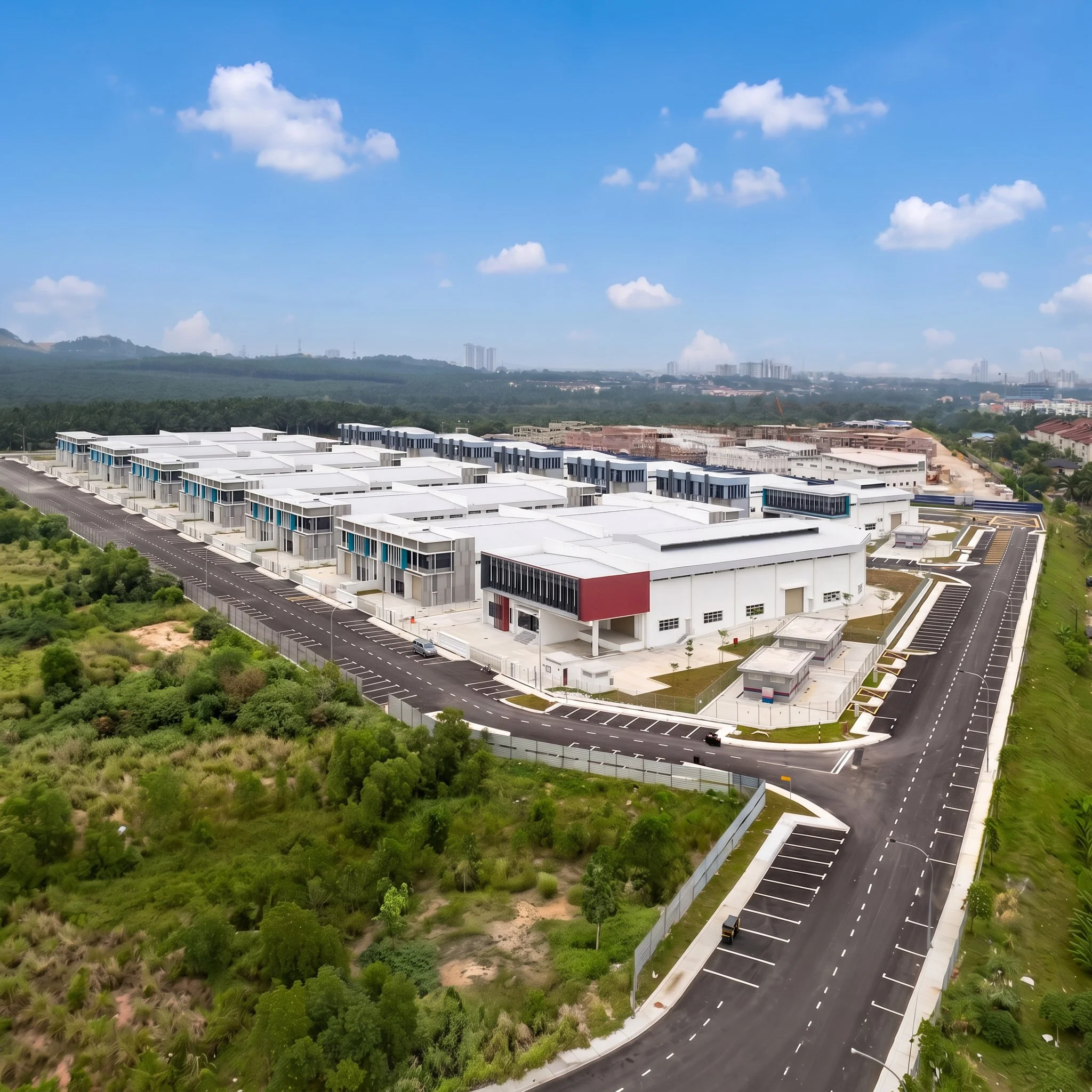
Image: Panoramic Industrial Park, Panoramic Industrial Bhd, MAUD Architecture
規劃合作聯繫:
Info@maudarchitect.com
More Info : www.maudarchitect.com
Follow IG: @maudarchitect