
《When a Factory Runs Without People, What Should Architecture Address?》
無人工廠的興起與全區規劃的重構
The Rise of Unmanned Factories and the Rethinking of Industrial Masterplanning
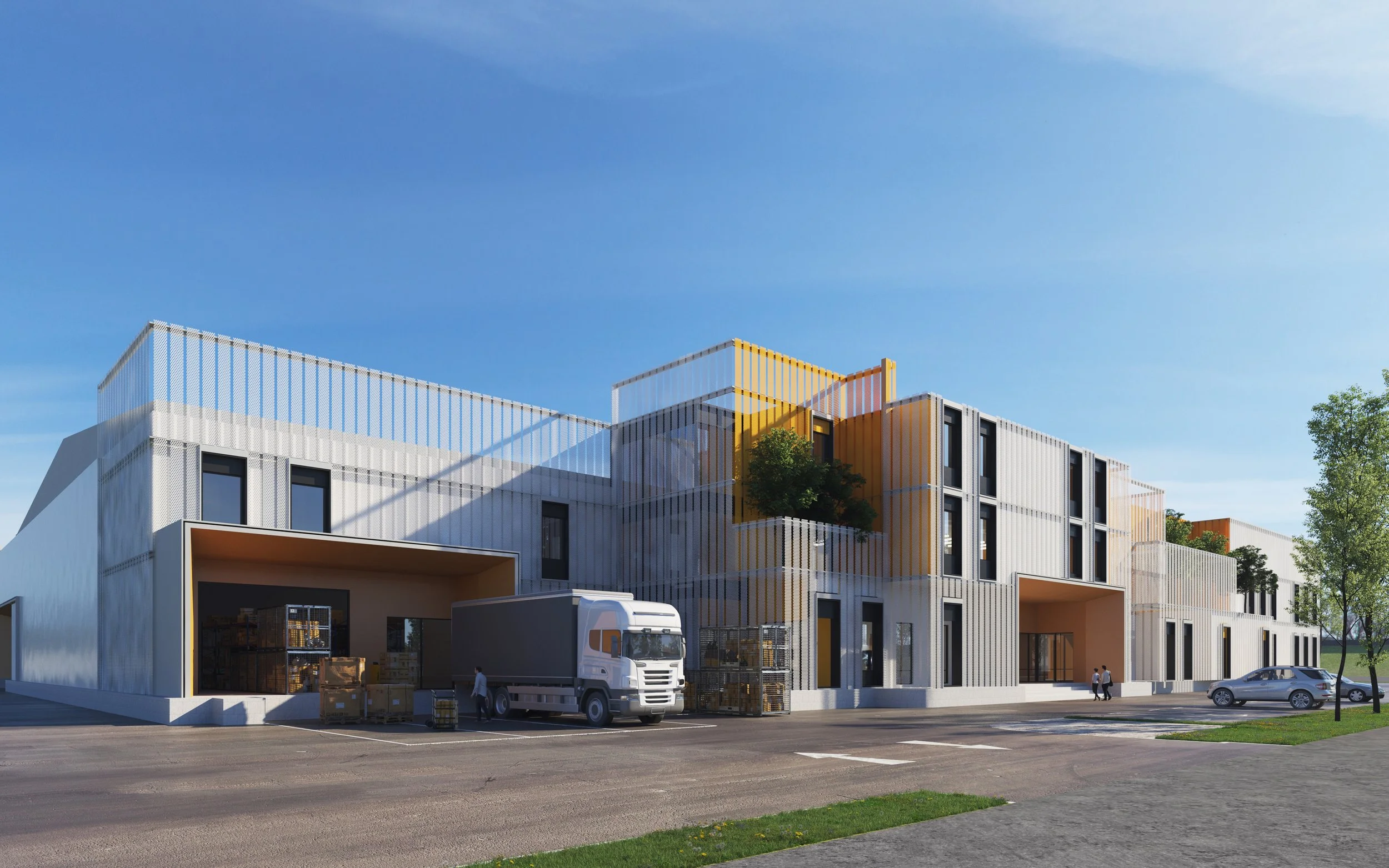
當建築開始為機械而設計
When Architecture Begins to Design for Machines
亞太地區在 2025 年佔全球工廠自動化市場的 37.68%,預計到 2031 年的複合年增長率為 9.56%。當建築不再為人類設計,而是為機械運作與最佳化服務時,工廠設計課題是什麼?
The Asia-Pacific region accounted for 37.68% of the global factory automation market in 2025, with a projected compound annual growth rate of 9.56% through 2031. As factories are increasingly designed around machine operation and optimisation rather than human occupancy, what new challenges does this create for architecture?
重新定義工廠建築的價值:從「被使用」轉化成「運行系統」的支柱
Redefining the Value of Factory Architecture: From Occupied Space to the Backbone of an Operating System
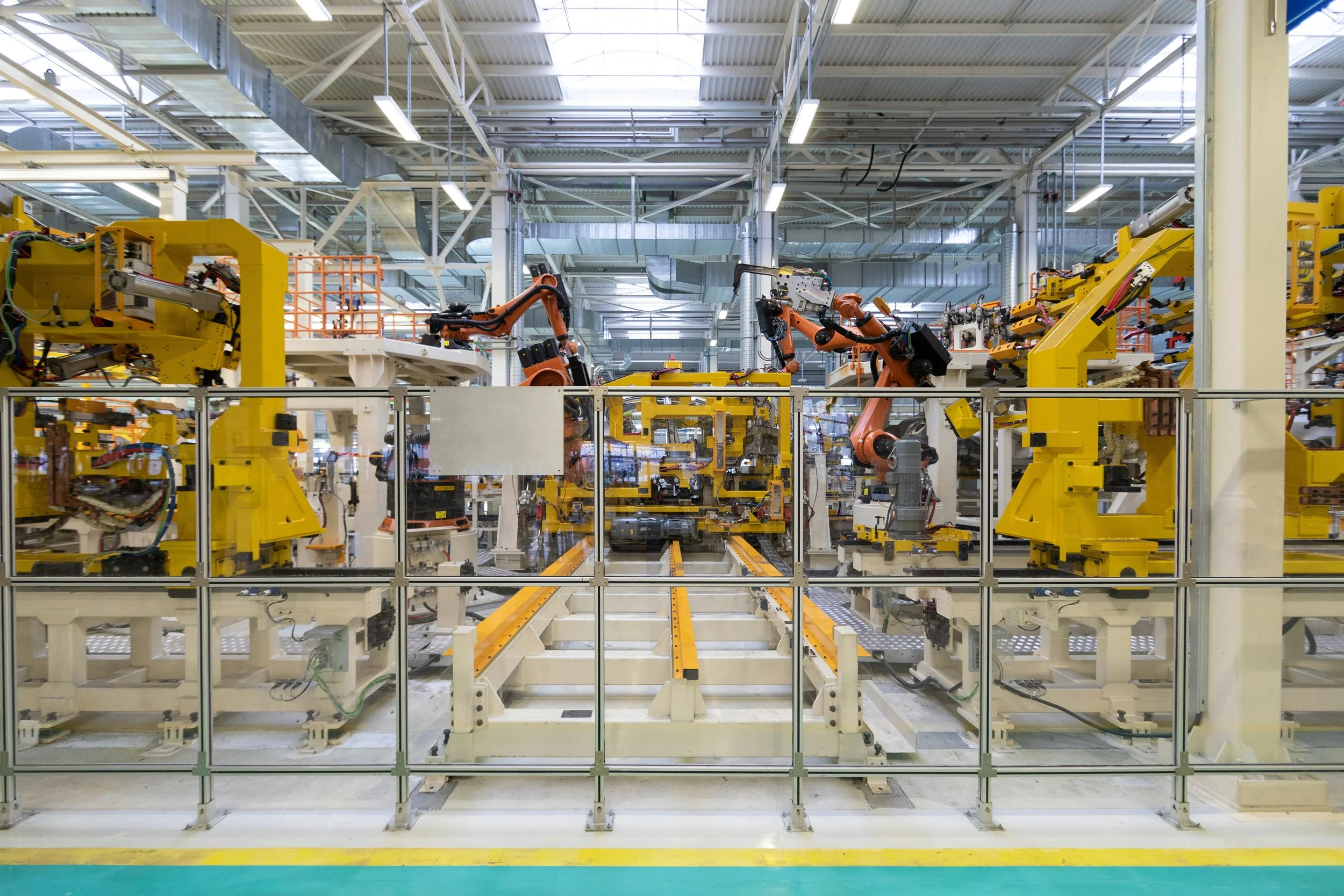
傳統廠房設計圍繞人類的需求,如人體工學、視線、流動等。無燈、無人的工廠反轉了這一切,空間變純粹運作化,為自動化流程、精密機械、物流效率而優化。
Traditional factory design has centred on human needs, including ergonomics, sightlines and movement. Lights-out, unmanned factories reverse this logic. Space becomes increasingly operational, optimised around automated processes, precision machinery and logistics efficiency.
如今廠房不再只是設備的容器,而是直接參與生產流程的編排。物流路徑、機械節奏、溫濕度控制與能源分配,被整合進建築本體之中,使其成為整個運作系統的支柱。
Today, a factory is no longer simply a container for equipment. It actively participates in the organisation of production itself. Logistics routes, machine cycles, temperature and humidity control, and energy distribution are integrated into the architecture, allowing the building to become the backbone of the entire operating system.
效率之外,建築仍需要為未來保留彈性
Beyond Efficiency, Architecture Must Retain Flexibility for the Future
然而,新課題隨之浮現:
建築如何為機械設計,同時保留建築適應未來的能力?
今日的全自動產線是最優解,但製造方法每 5–10 年就會改變,我們能否在為零人類而優化的空間中,仍能保有彈性?
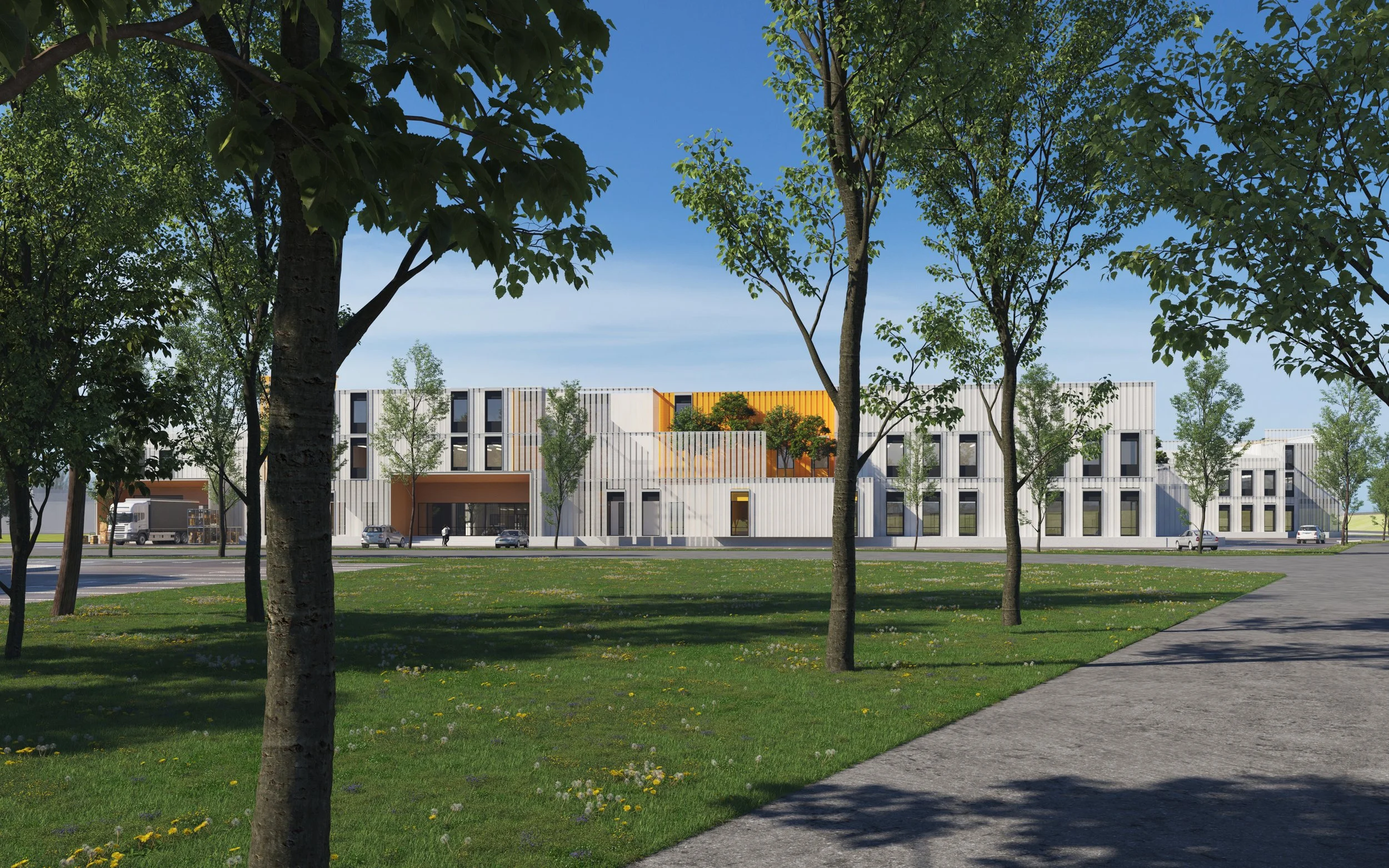
This shift introduces a new challenge: how can architecture be designed for machines while retaining the ability to adapt to future change? A fully automated production line may be the optimal solution today, yet manufacturing methods can change every five to ten years. Can a space optimised for minimal human presence still remain flexible?
當製程週期縮短、設備快速汰換,建築若過度專用,反而成為下一次轉型的阻力。
As production cycles shorten and equipment is replaced more rapidly, an overly specialised building can become an obstacle to the next stage of transformation.
從單體建築,回到全區尺度的整體思考
From a Single Building to Industrial Masterplanning
然而,新課題隨之浮現:
建築如何為機械設計,同時保留建築適應未來的能力?
今日的全自動產線是最優解,但製造方法每 5–10 年就會改變,我們能否在為零人類而優化的空間中,仍能保有彈性?
This shift introduces a new challenge: how can architecture be designed for machines while retaining the ability to adapt to future change? A fully automated production line may be the optimal solution today, yet manufacturing methods can change every five to ten years. Can a space optimised for minimal human presence still remain flexible?
當製程週期縮短、設備快速汰換,建築若過度專用,反而成為下一次轉型的阻力。
As production cycles shorten and equipment is replaced more rapidly, an overly specialised building can become an obstacle to the next stage of transformation.
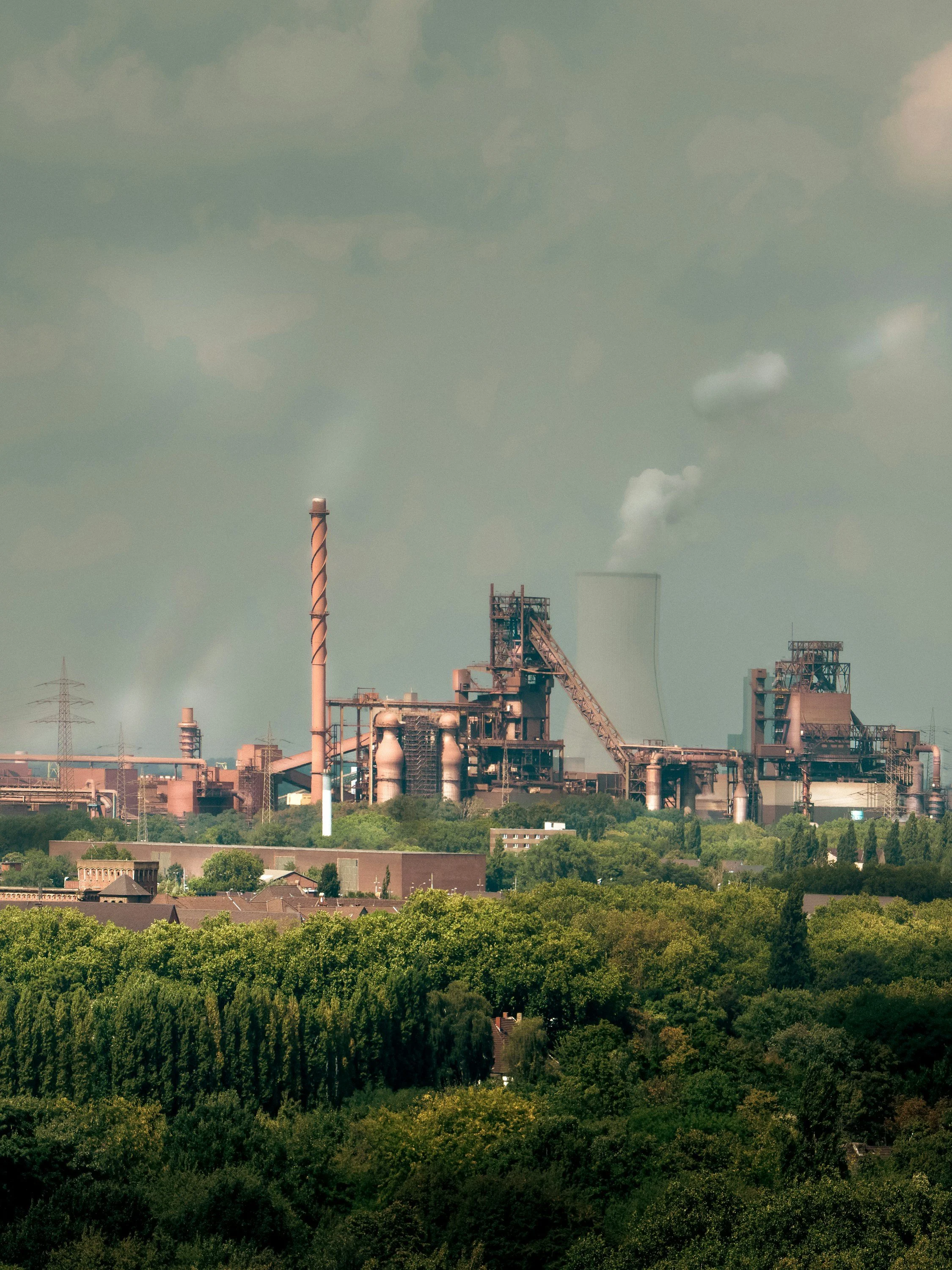
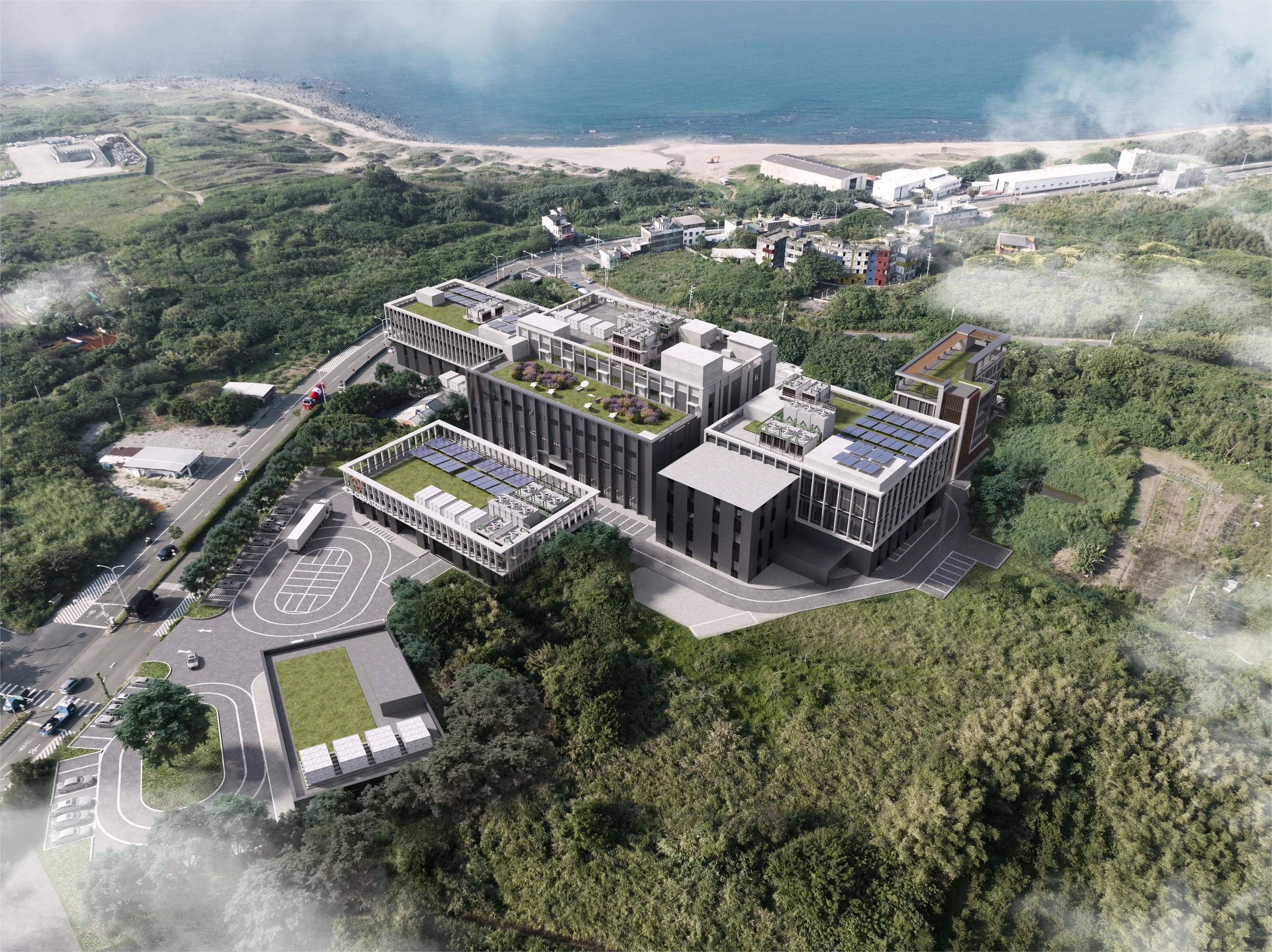
因此,工廠設計不再侷限於單體建築,而是回到全區尺度的整體思考:
Factory design can therefore no longer be considered only at the scale of an individual building. It requires a broader, site-wide perspective.
工廠透過全區規劃,設計具前瞻性、智慧化的工業廠辦,打造能無人但流程清晰、運作可控的良好環境,規劃高效且能適應變化的空間彈性,讓整個園區能隨產業演進同步調整。
Through masterplanning, industrial facilities can be designed as forward-looking, intelligent environments where processes remain clear and operations controllable even with minimal human presence. Efficient yet adaptable spatial frameworks allow the entire industrial campus to evolve alongside changes in technology and production.
Balancing Efficiency with Long-Term Adaptability
面對未來的不確定性,建築設計與工廠總體規劃的課題在於效率與長期適應性之間取得平衡,並將產業發展與環境永續納入同一套系統之中,構築一個可持續運行、亦可持續演進的空間系統架構。
In the face of an uncertain future, the challenge for architecture and industrial masterplanning is to balance operational efficiency with long-term adaptability. Industrial development and environmental sustainability must be considered within the same system, creating a spatial framework that can continue to operate while also continuing to evolve.
當不可預知的劇變來臨之前,建築早已做好應對的佈局。
Before the next unforeseen shift arrives, architecture should already be prepared to respond.
規劃合作聯繫:
Info@maudarchitect.com
More Info : www.maudarchitect.com
Follow IG: @maudarchitect