
解析綠色廠房設計的邊際效應
Examining the Marginal Value of Green Factory Design
廠房需求正在改變
Factory Requirements Are Changing
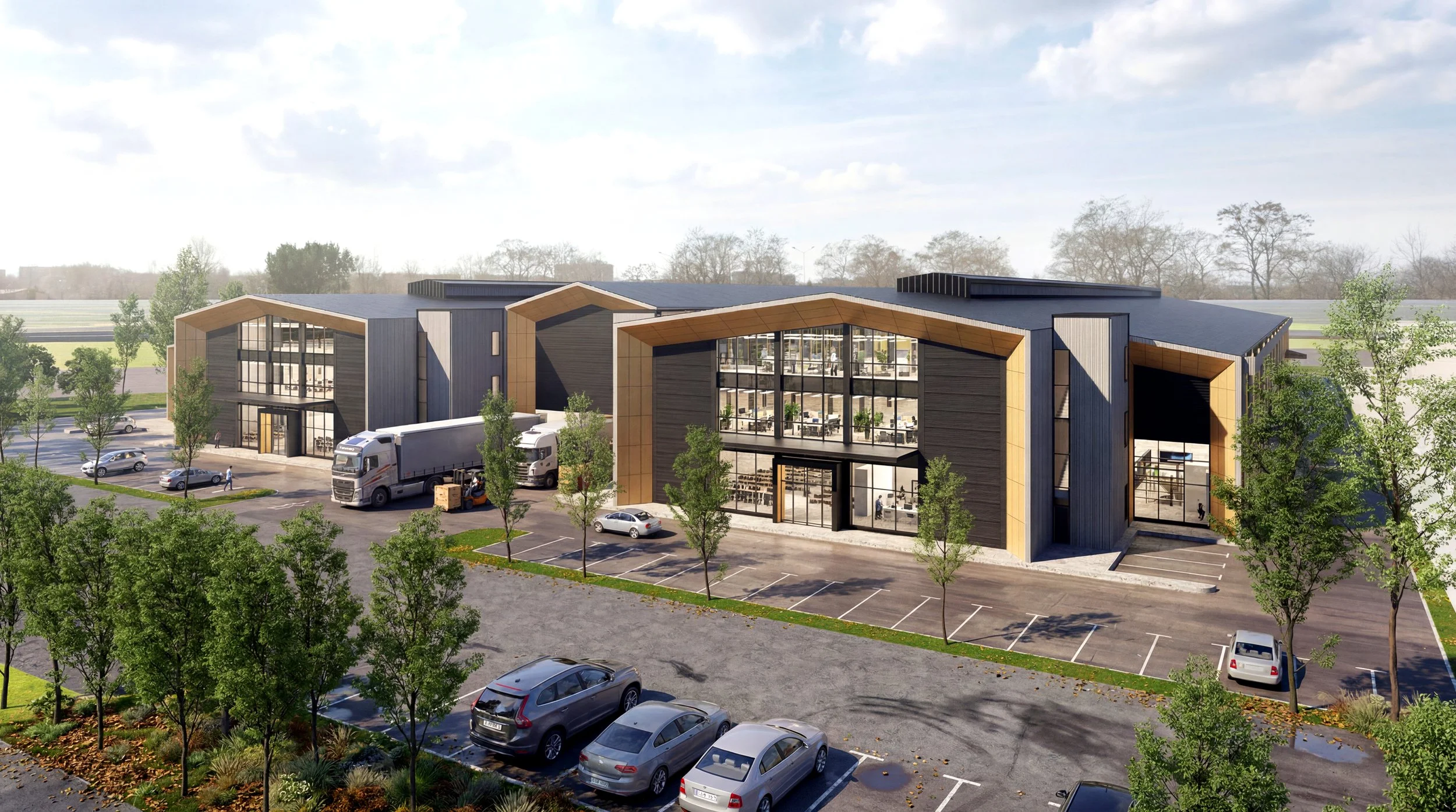
過去,工業建築著重於容納設備與提升生產效率。隨著產業升級與全球供應鏈要求提高,企業對廠房的期待已超越生產空間本身,逐漸成為影響營運表現的重要基礎設施。許多進駐馬來西亞柔佛的國際企業,已開始將碳排放揭露、能源使用管理與再生能源比例納入供應鏈評估標準。這也是近年綠色認證廠房租金出現溢價的重要原因之一。
In the past, industrial buildings focused mainly on accommodating equipment and improving production efficiency. As industries upgrade and global supply chain requirements become more demanding, expectations for factories now extend far beyond production space itself. They are increasingly becoming critical infrastructure that shapes operational performance. Many international companies operating in Johor, Malaysia, have begun incorporating carbon disclosure, energy management and renewable energy usage into supply chain assessments. This is also one of the key reasons why green-certified factories have increasingly commanded rental premiums.
租金變貴,但總營運成本可能更低
Higher Rent Can Still Mean Lower Total Operating Costs
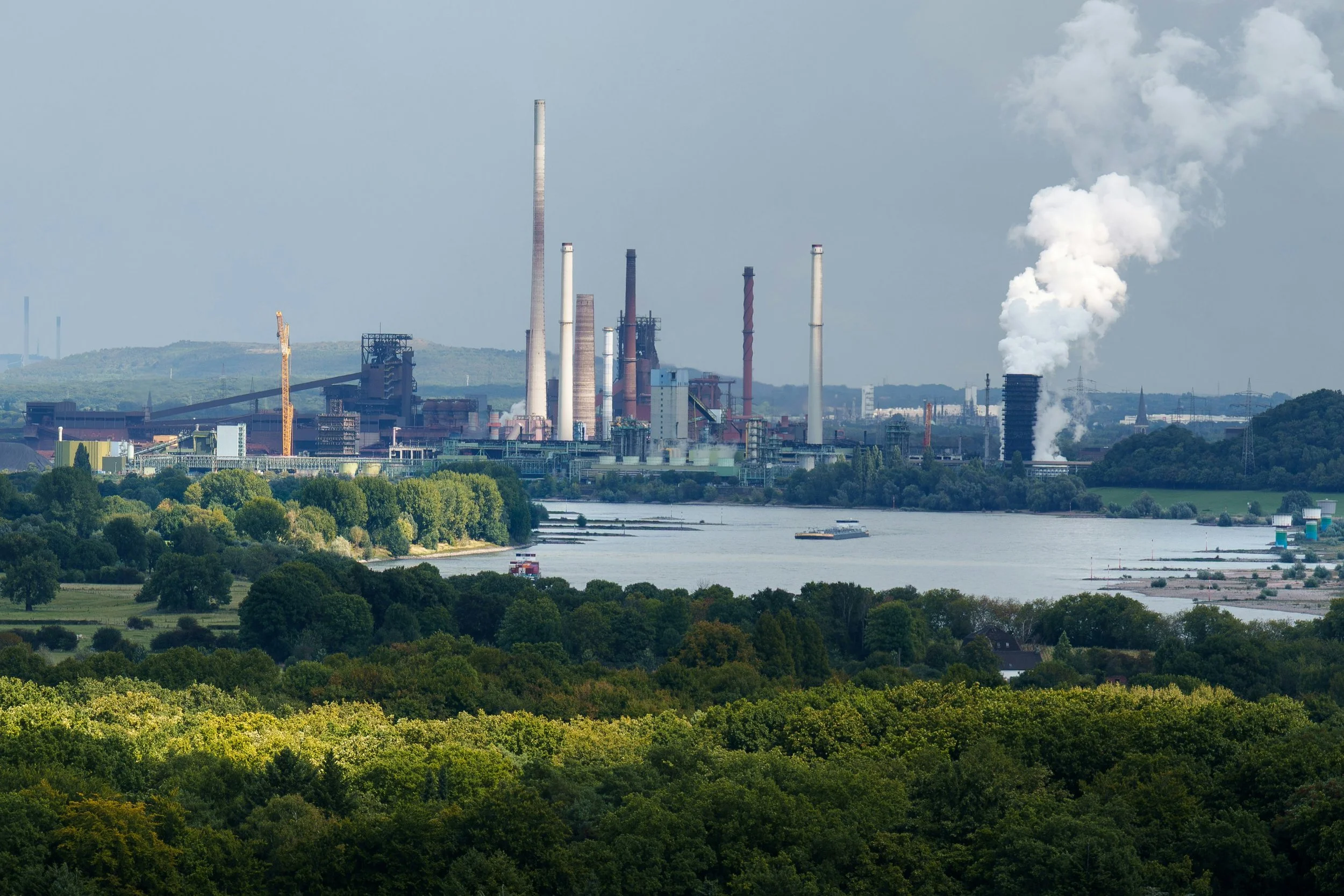
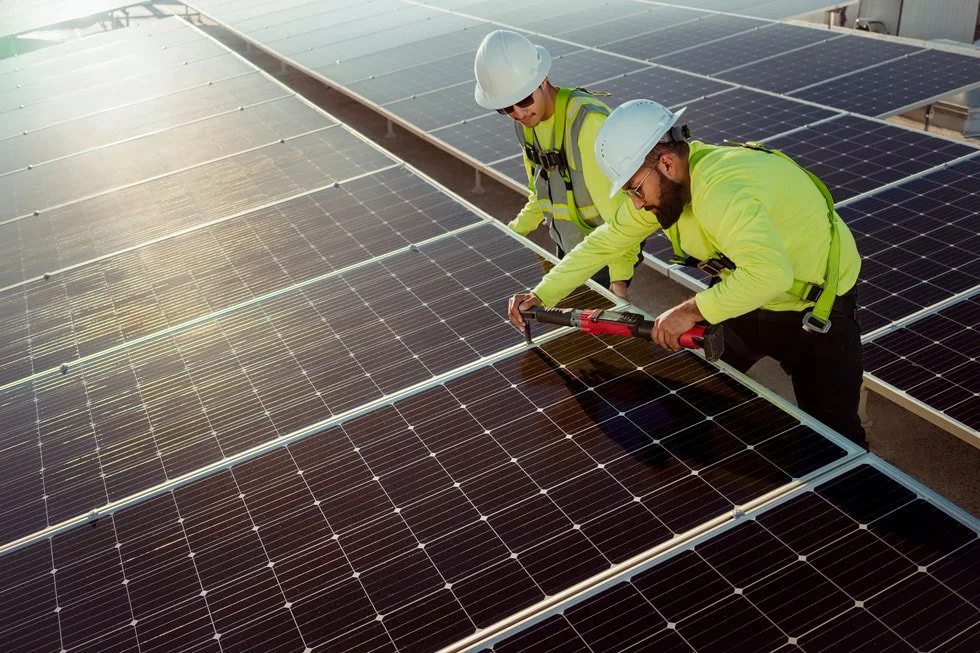
市場需求升溫,也帶動綠色廠房租金上升。具綠建築認證的工業廠房,租金普遍較一般廠房高出約 15% 至 25%。屋頂隔熱、自然通風、太陽能系統與智慧能源管理,已成為企業選擇的重要條件。雖然初期成本較高,卻能有效降低能源與維運支出。對 24 小時運作的工廠而言,企業購買的不只是節能效益,更是在能源價格波動下,維持營運成本控制、風險管理與競爭力。
Growing market demand has also pushed up rents for green industrial facilities. Certified green factories can command rental premiums of around 15% to 25% compared with conventional facilities. Roof insulation, natural ventilation, solar power systems and smart energy management have become important criteria for occupiers. Although upfront costs may be higher, these strategies can reduce long-term energy and maintenance expenses. For factories operating around the clock, the value lies not only in energy savings, but also in maintaining cost control, managing risk and preserving competitiveness amid volatile energy prices.
Image: Apple Newsroom
ESG 已從加分項變成供應鏈門票
ESG Is Becoming a Requirement for Supply Chain Access
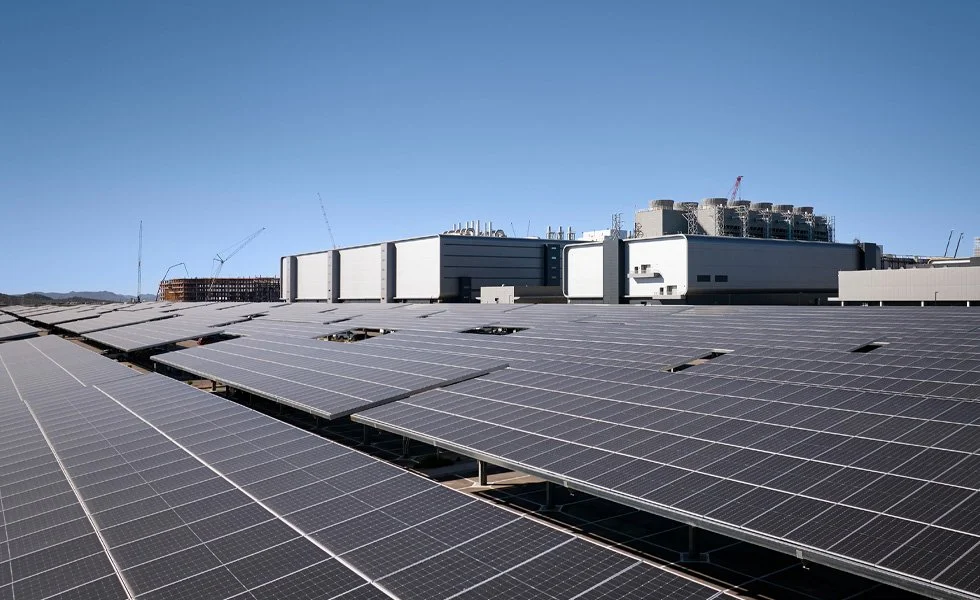
隨著永續要求提升,綠建築認證正逐漸成為市場共識。Apple、Microsoft、IKEA 等許多國際品牌開始要求供應商揭露碳排放與能源使用數據,企業承接國際訂單時,廠房的永續表現也成為評估條件之一,企業支付較高租金,本質上是在取得進入全球供應鏈的資格。
As sustainability requirements continue to rise, green building certification is becoming increasingly embedded in market expectations. Global brands such as Apple, Microsoft and IKEA are asking suppliers to disclose carbon emissions and energy-use data. When competing for international contracts, the environmental performance of a factory can become part of the evaluation criteria. In this context, paying a higher rent can effectively mean securing access to global supply chains.
同時,銀行、投資機構與股東對 ESG 績效的關注持續提高。具綠建築認證的廠房,不僅代表較佳的能源與環境管理能力,也有助於企業回應市場要求、提升供應鏈長期營運韌性。
At the same time, banks, investors and shareholders are placing greater emphasis on ESG performance. A green-certified factory not only demonstrates stronger energy and environmental management, but can also help companies respond to market expectations and strengthen long-term supply chain resilience.
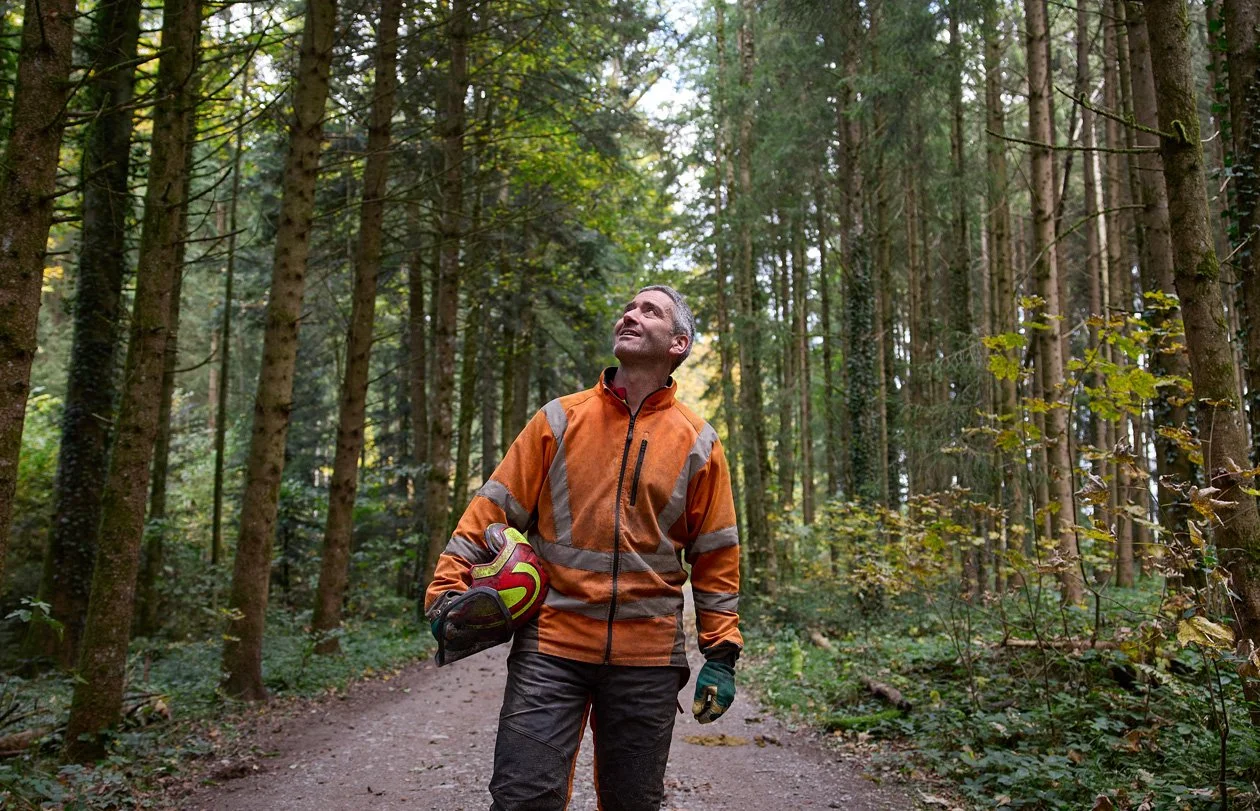
此外,綠色廠房所提供的自然採光、舒適溫度、良好空氣品質與綠化環境,也能改善員工的工作體驗,進一步提升滿意度與留任率。在缺工成為常態的情況下,工作環境本身也逐漸成為企業競爭力的一部分。
Green factories can also improve employee experience through natural daylight, thermal comfort, better air quality and landscaped environments. These qualities can support employee satisfaction and retention. As labour shortages become increasingly common, the working environment itself is becoming part of a company’s competitiveness.
企業購買的是未來的保障
What Businesses Are Buying Is Long-Term Security
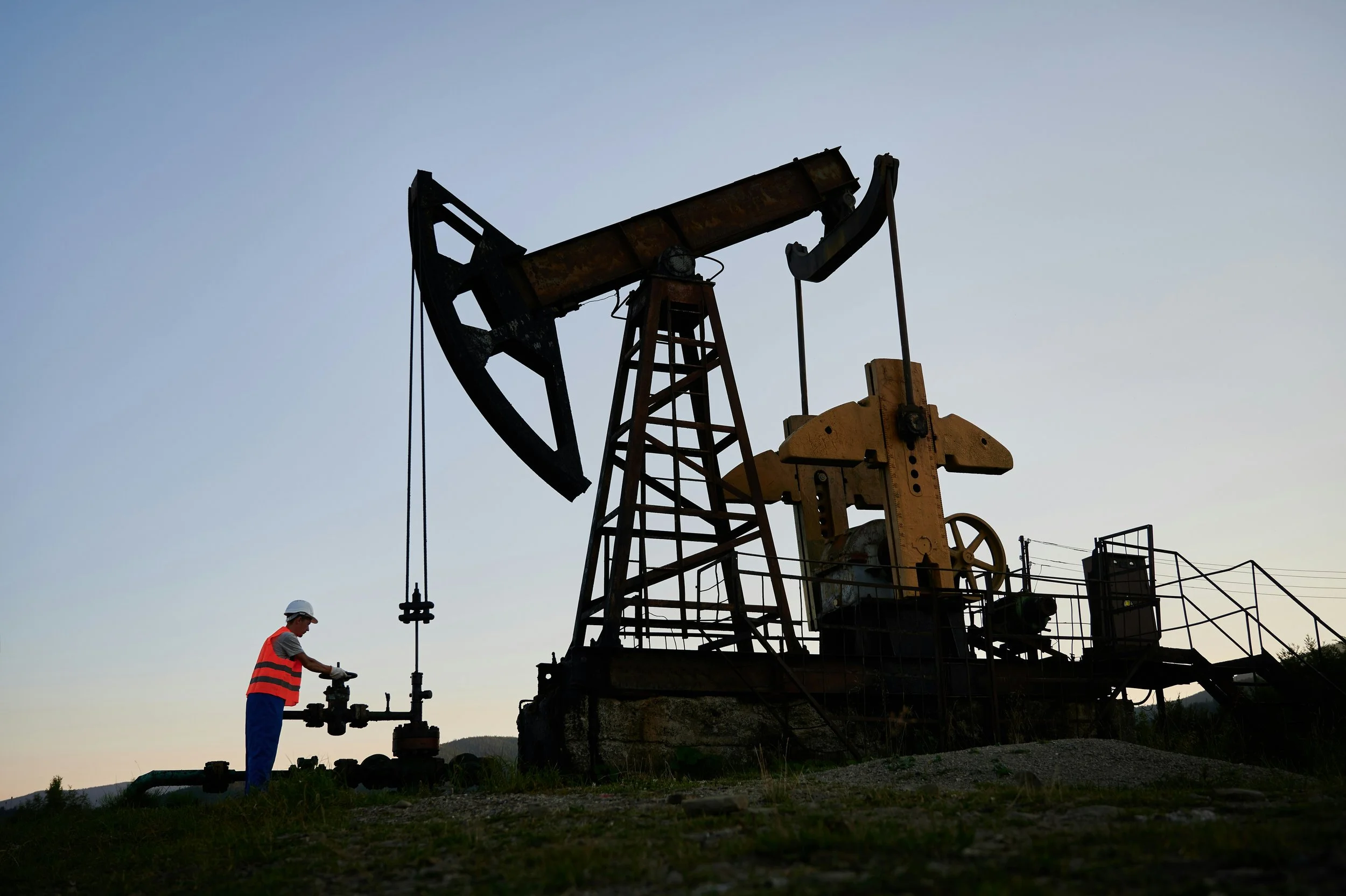
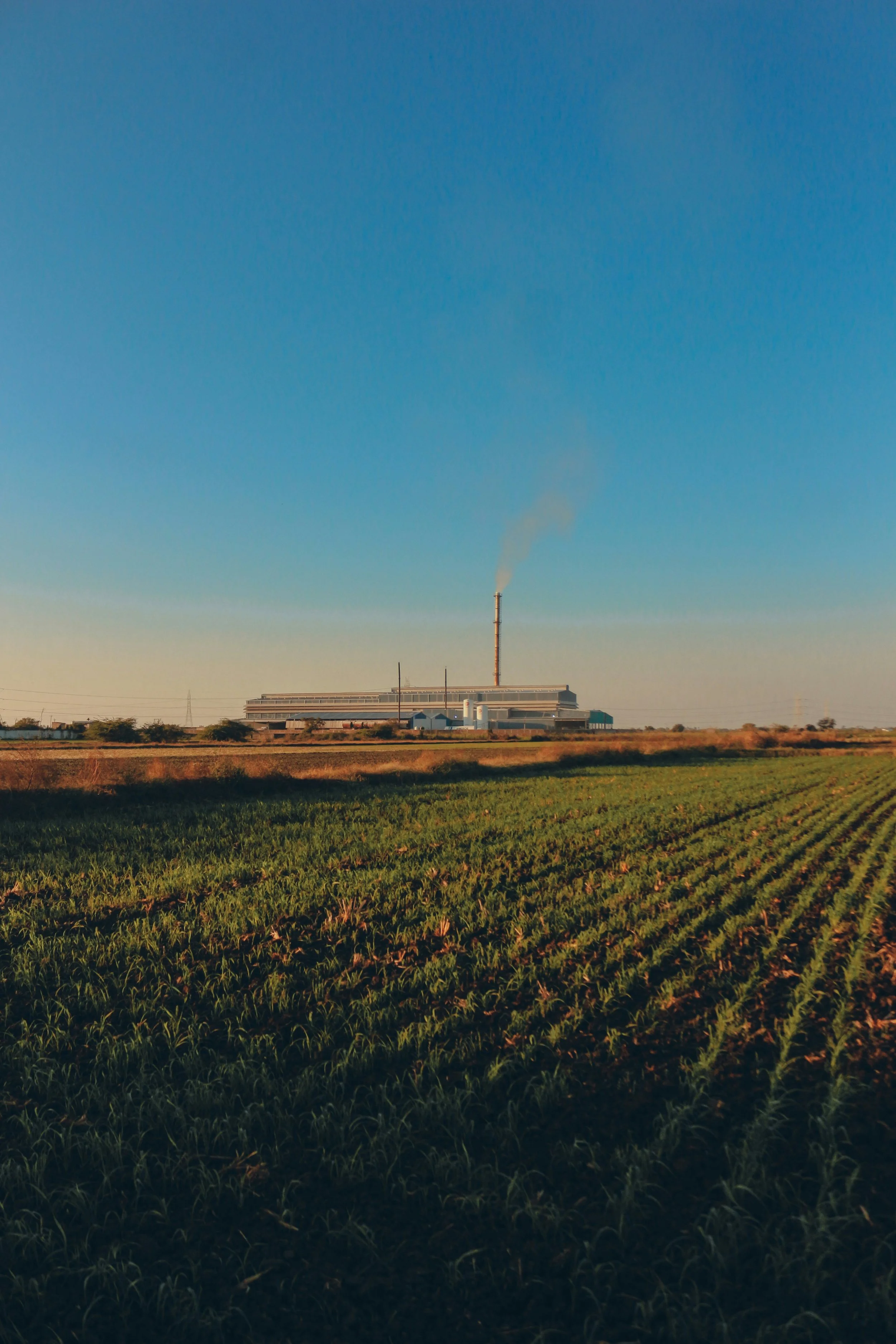
當能源價格上升、碳稅制度擴大與永續要求提高時,傳統廠房往往面臨額外的升級成本。相較之下,綠色廠房雖然租金較高,卻能降低未來轉型壓力與營運風險。因此,企業支付的溢價,購買的是更穩定且具韌性的長期營運條件。
As energy prices rise, carbon pricing expands and sustainability requirements become more demanding, conventional factories may face additional retrofit costs. Green factories may come with higher rents, but they can reduce future transition pressures and operational risks. The premium businesses pay is therefore an investment in more stable and resilient long-term operating conditions.
建築正在從空間轉向未來的競爭力
Architecture Is Shifting from Space to Long-Term Competitiveness
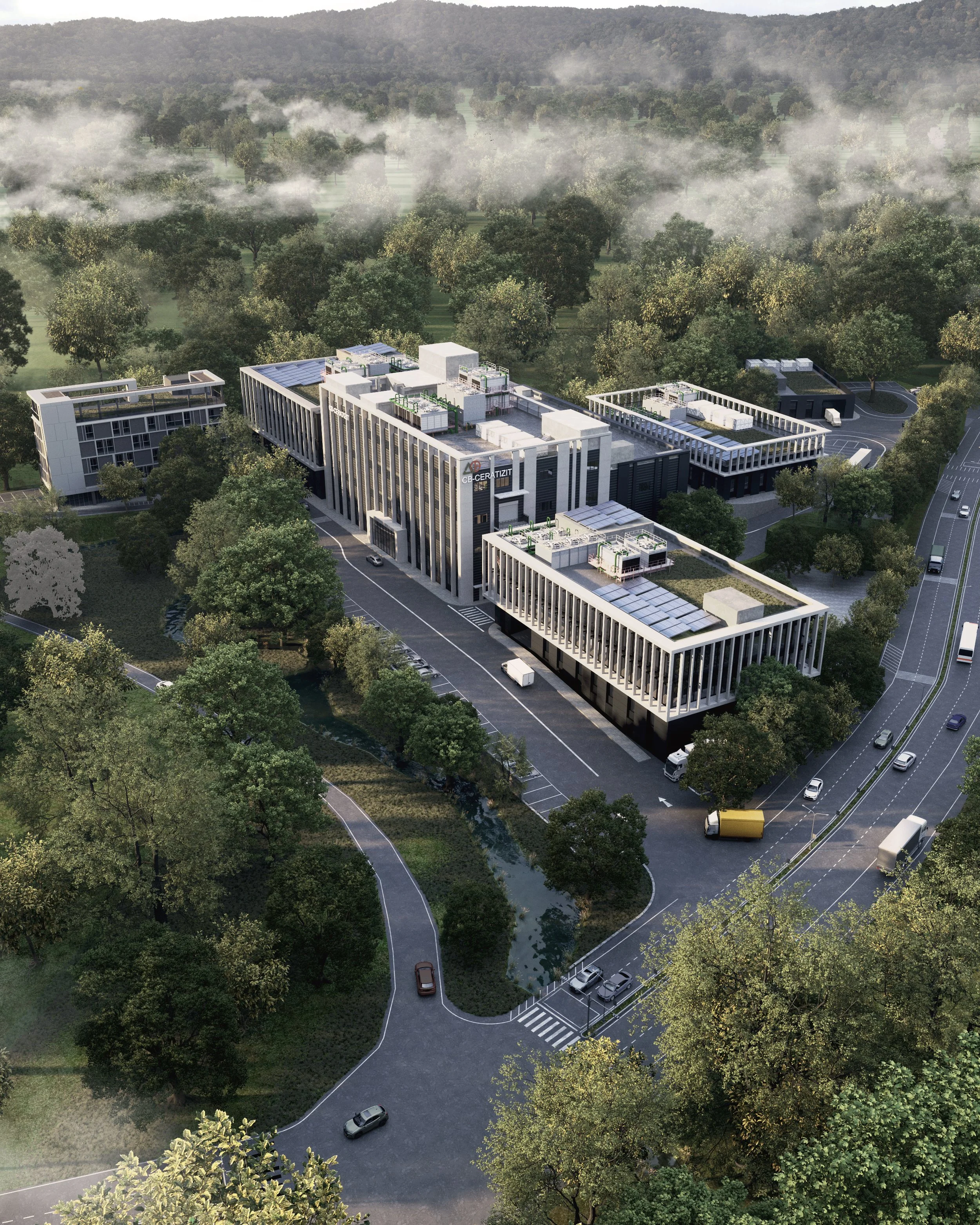
由於未來市場對永續發展的要求持續提高,綠色廠房的核心在於規劃初期便思考如何節能減排、降低生態衝擊,並預留系統升級彈性。透過前瞻性的設計策略,讓建築價值隨時間持續累積,不僅提供生產空間,更成為支撐企業長期發展的重要競爭力。
As sustainability requirements continue to intensify, the value of a green factory begins at the earliest planning stage. Energy reduction, lower carbon emissions, reduced ecological impact and flexibility for future system upgrades all need to be considered from the outset. Through forward-looking design strategies, a building can continue to accumulate value over time, becoming more than a place for production and instead serving as an important source of long-term business competitiveness.
規劃合作聯繫:
Info@maudarchitect.com
More Info : www.maudarchitect.com
Follow IG: @maudarchitect