
《Amid the Energy Crisis, Why Has Thermal Performance Become Key to Building Comfort?》
分析建築在機械介入前的設計決策
Examining Design Decisions Before Mechanical Systems Come Into Play
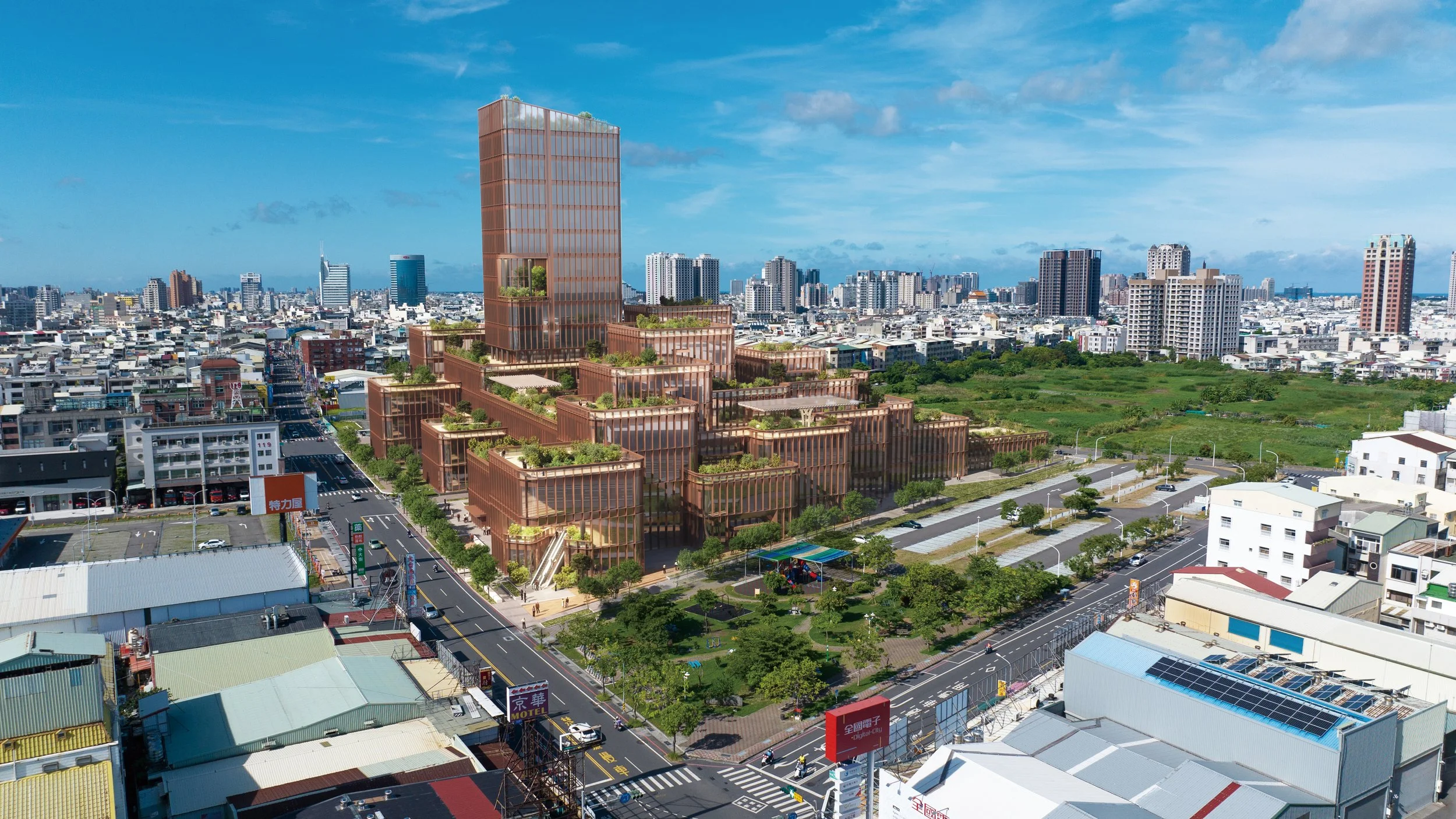
建築熱性能是什麼?
What Is Building Thermal Performance?
建築的熱性能,指的是建築面對外部氣候時,如何吸收、阻擋、儲存與釋放熱量的能力。它影響室內溫度,也包含空氣流動、濕度、日照與輻射熱所形成的舒適感。當氣候壓力加劇,鑑於人們近 90% 的時間都待在室內,建築舒適度從空調效率問題,轉變為設計初期就必須思考的環境條件。
Building thermal performance refers to how a building absorbs, blocks, stores and releases heat in response to the external climate. It affects indoor temperature as well as comfort shaped by airflow, humidity, solar exposure and radiant heat. As climate pressures intensify, and with people spending nearly 90% of their time indoors, thermal comfort is no longer simply a matter of air-conditioning efficiency. It has become an environmental condition that needs to be considered from the earliest stages of design.
Image: Notre Dame Cathedral Rebuild International Competition, MAUD
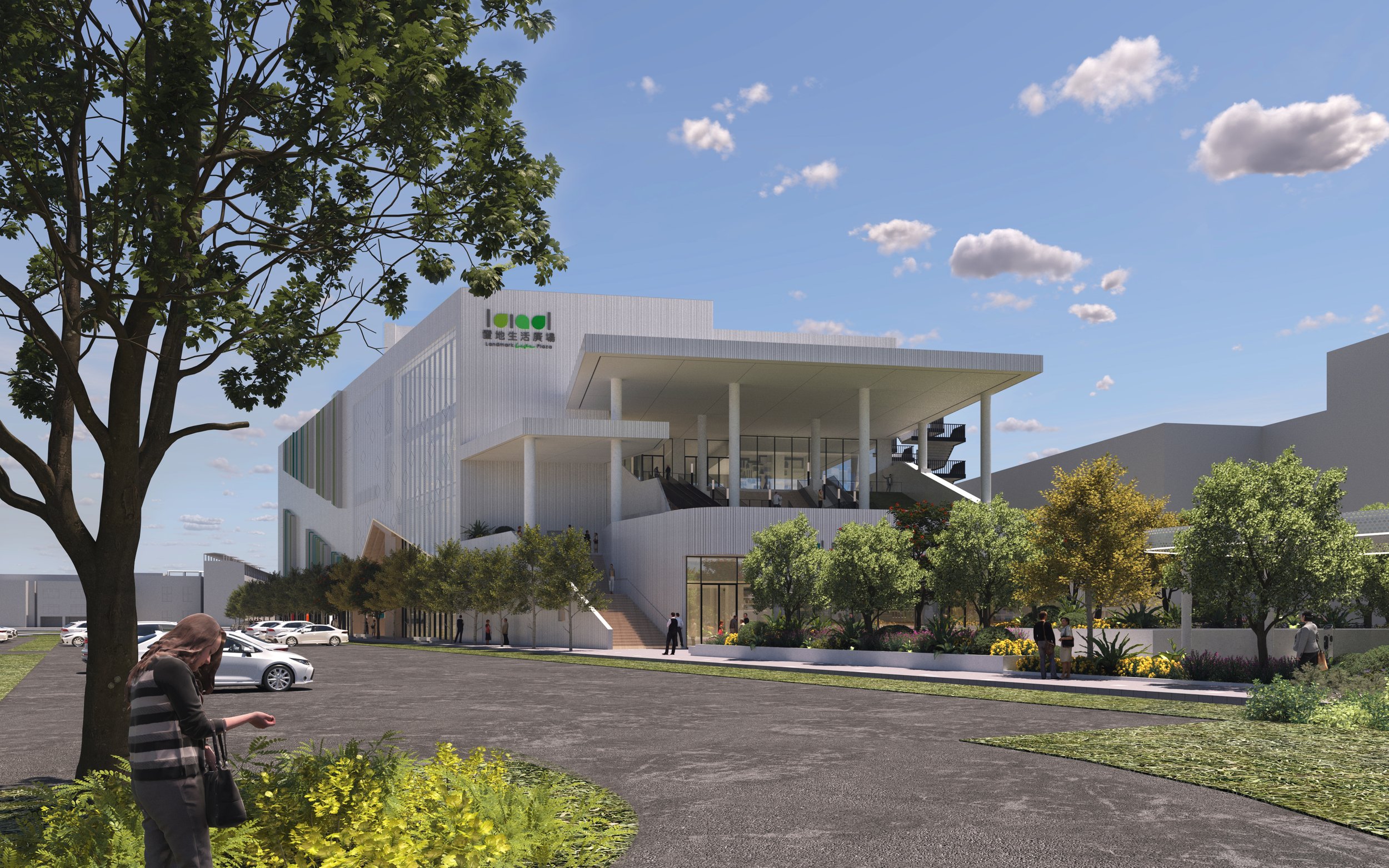
裝冷氣機前的設計決策
Design Decisions Before Air Conditioning
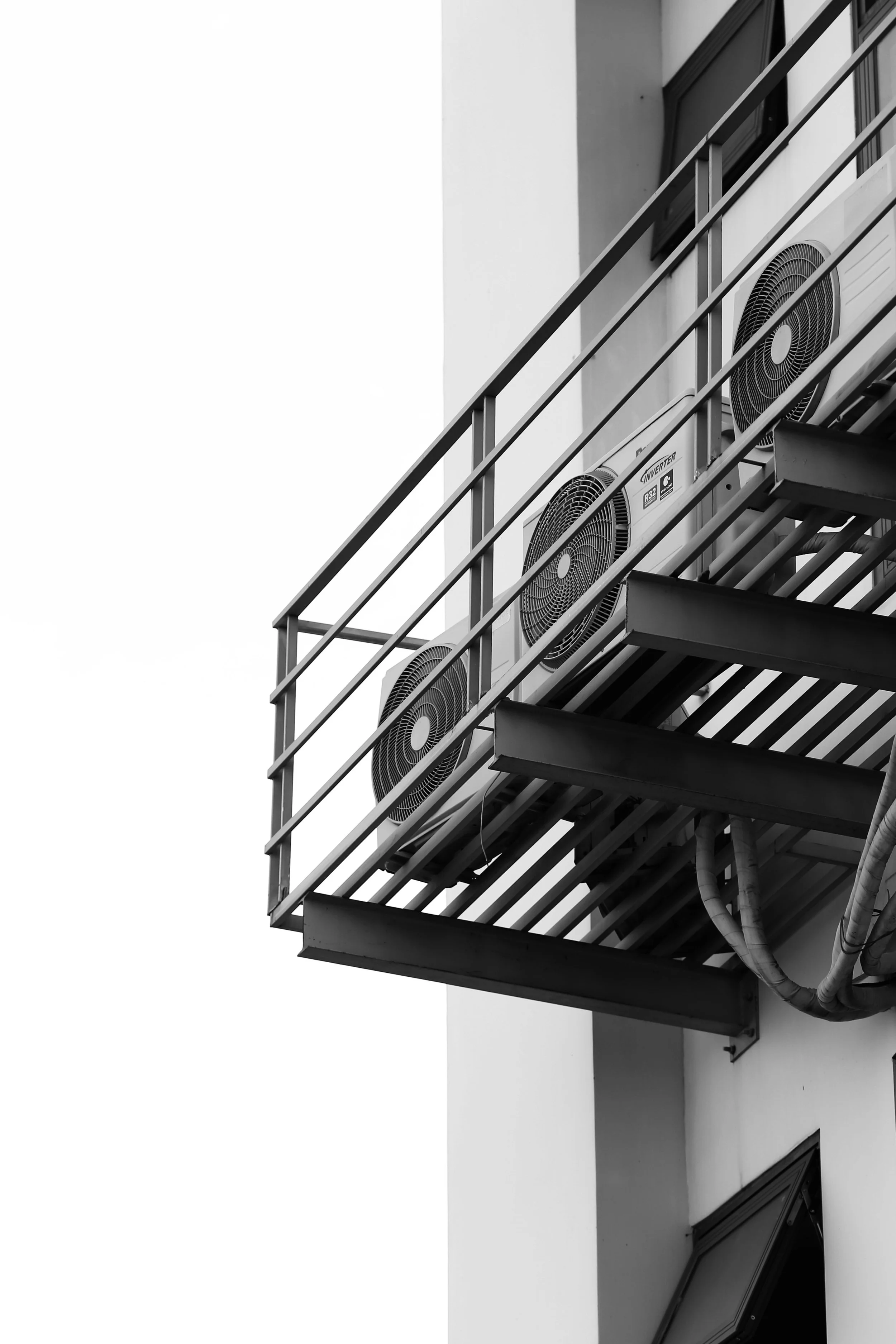
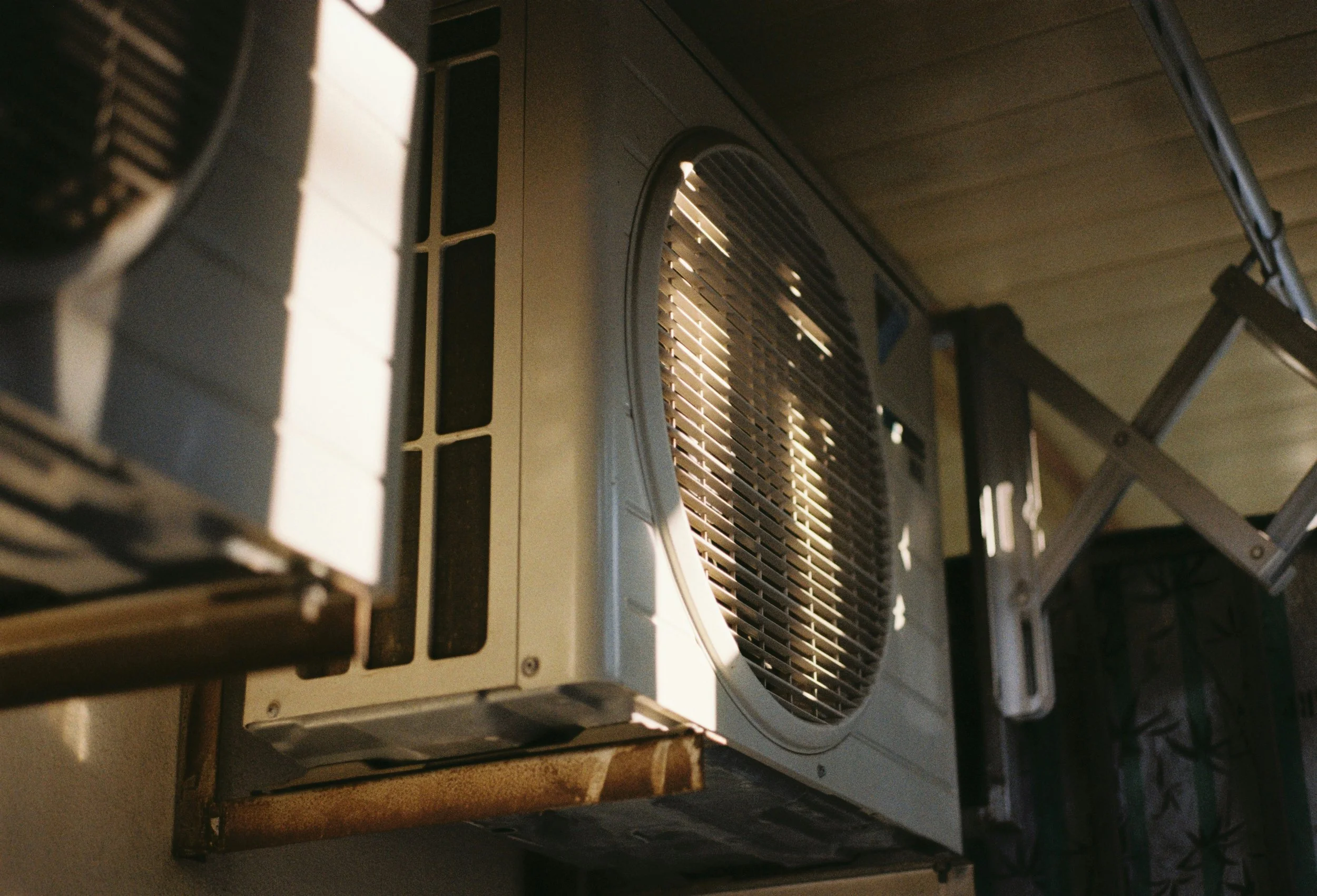
在空調與機電系統介入之前,建築本身已經透過空間配置回應氣候。朝向影響日照與熱量累積;開口決定通風與空氣交換;遮陽降低直射熱;材料、隔熱與植栽則調節熱量的進入、停留與排出。這些基礎設計選擇,構成熱性能的第一層系統,也影響建築日後的能源需求與室內環境品質。
Before air-conditioning and MEP systems are introduced, the building itself is already responding to climate through its spatial design. Orientation influences solar exposure and heat gain; openings determine ventilation and air exchange; shading reduces direct solar heat; while materials, insulation and planting regulate how heat enters, remains and leaves the building. These fundamental design choices form the first layer of thermal performance and shape both future energy demand and indoor environmental quality.
跳脫能源議題,更關乎人在空間中的舒適感受
Beyond Energy, Thermal Design Is About How People Feel in Space
合理的遮陽、採光、通風路徑與外殼性能,能降低熱負荷,減少對機械設備的依賴,也為使用者帶來更穩定的室溫、柔和的光線與舒適的日常體驗。
Well-designed shading, daylight, ventilation paths and building envelope performance can reduce heat loads and dependence on mechanical systems. At the same time, they create more stable indoor temperatures, softer daylight and a more comfortable everyday experience for occupants.
Apple Park 案例
Apple Park as a Case Study
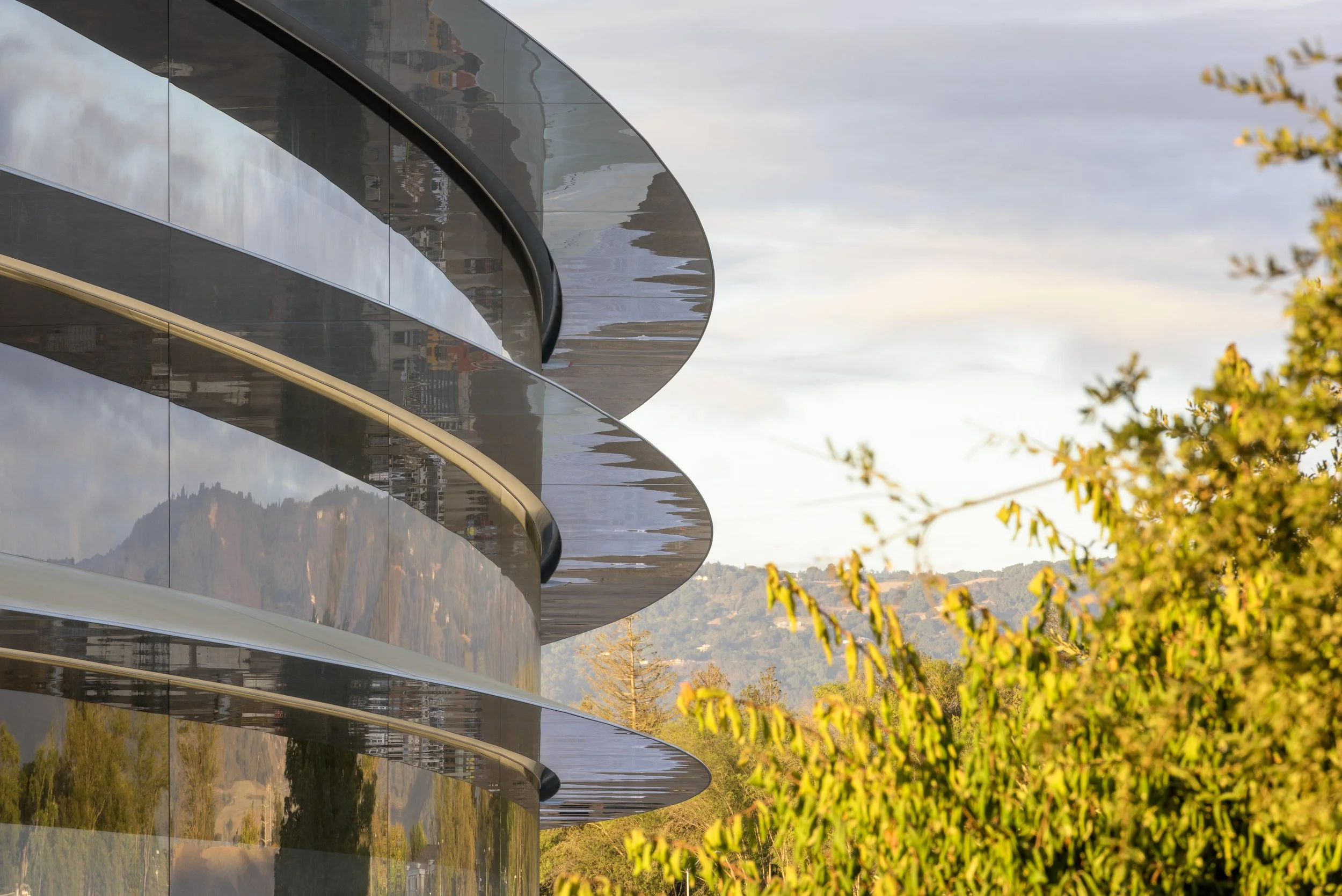

蘋果園區(Apple Park)被譽為全球具代表性的節能建築案例之一,主樓、史蒂夫・賈伯斯劇院與健身中心皆取得 LEED 鉑金級認證。
Apple Park is widely recognised as one of the world’s leading examples of energy-efficient architecture. Its main building, Steve Jobs Theater and fitness centre have all achieved LEED Platinum certification.
Apple Park 透過屋頂太陽能板供應白天高峰 75% 用電,使其成為全球大型太陽能系統之一。建築則藉由自然通風,使一年中九個月無需使用空調。
At peak daytime periods, Apple Park’s rooftop solar panels can supply up to 75% of the campus’s electricity demand, making it one of the world’s largest on-site solar installations. Natural ventilation also allows the building to operate without conventional air conditioning for around nine months of the year.
當能源變得昂貴,建築更需要懂得與氣候共處
As Energy Becomes More Expensive, Buildings Need to Work More Intelligently with Climate
鑑於建築能耗佔全球能源消耗近 40%,熱性能已成為舒適度的起點,也是能源時代下建築設計的重要課題。當能源成本上升、極端高溫成為日常,建築需要重新思考:舒適是否能在設備介入之前,從最初的設計判斷開始被建立?
With buildings accounting for nearly 40% of global energy consumption, thermal performance has become a starting point for comfort and a critical issue in contemporary architectural design. As energy costs rise and extreme heat becomes increasingly common, architecture must reconsider a fundamental question: can comfort be established through design itself, before mechanical systems are introduced?
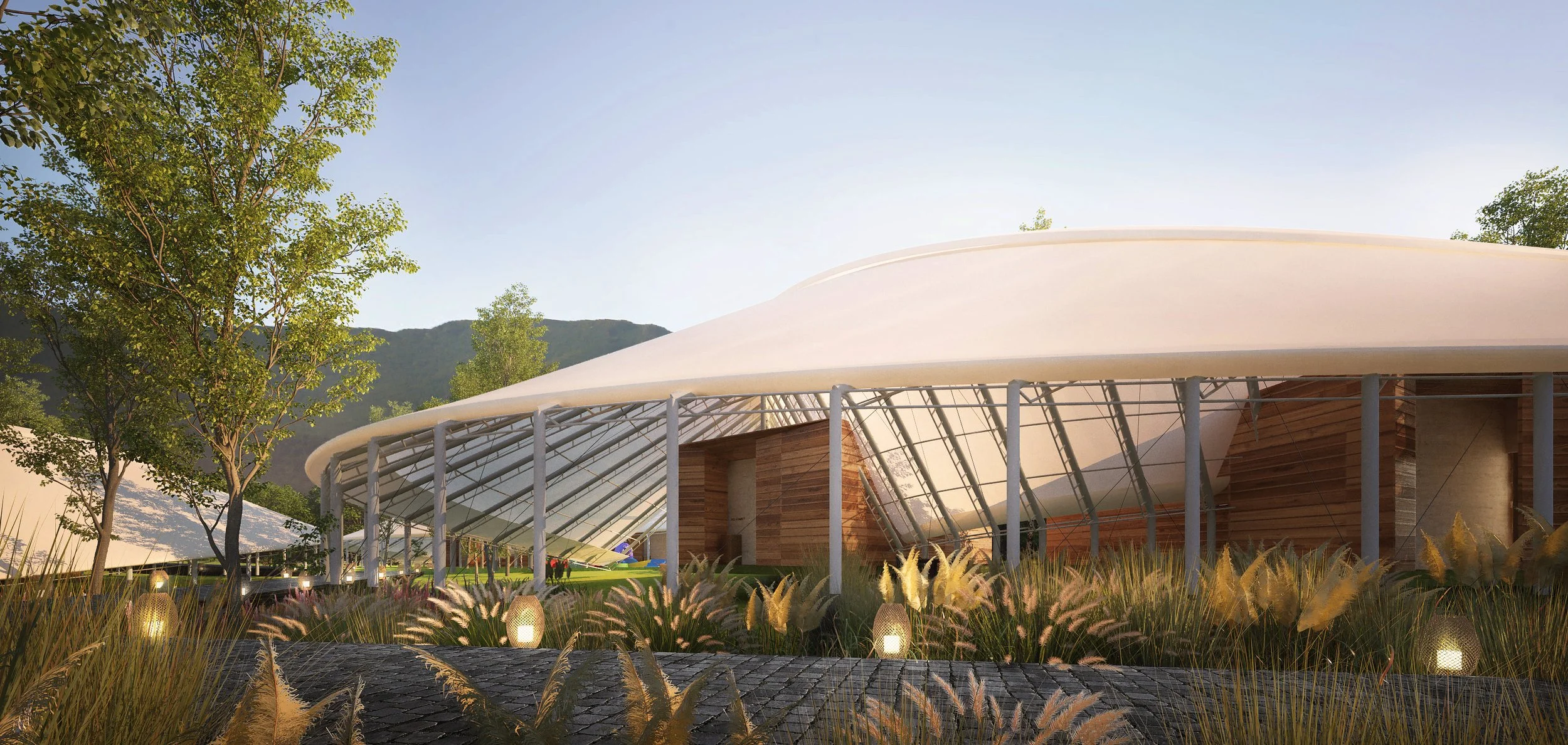
Image: MAUD Architect, Villa at Taipei Yangmingshan
規劃合作聯繫:
Info@maudarchitect.com
More Info : www.maudarchitect.com
Follow IG: @maudarchitect